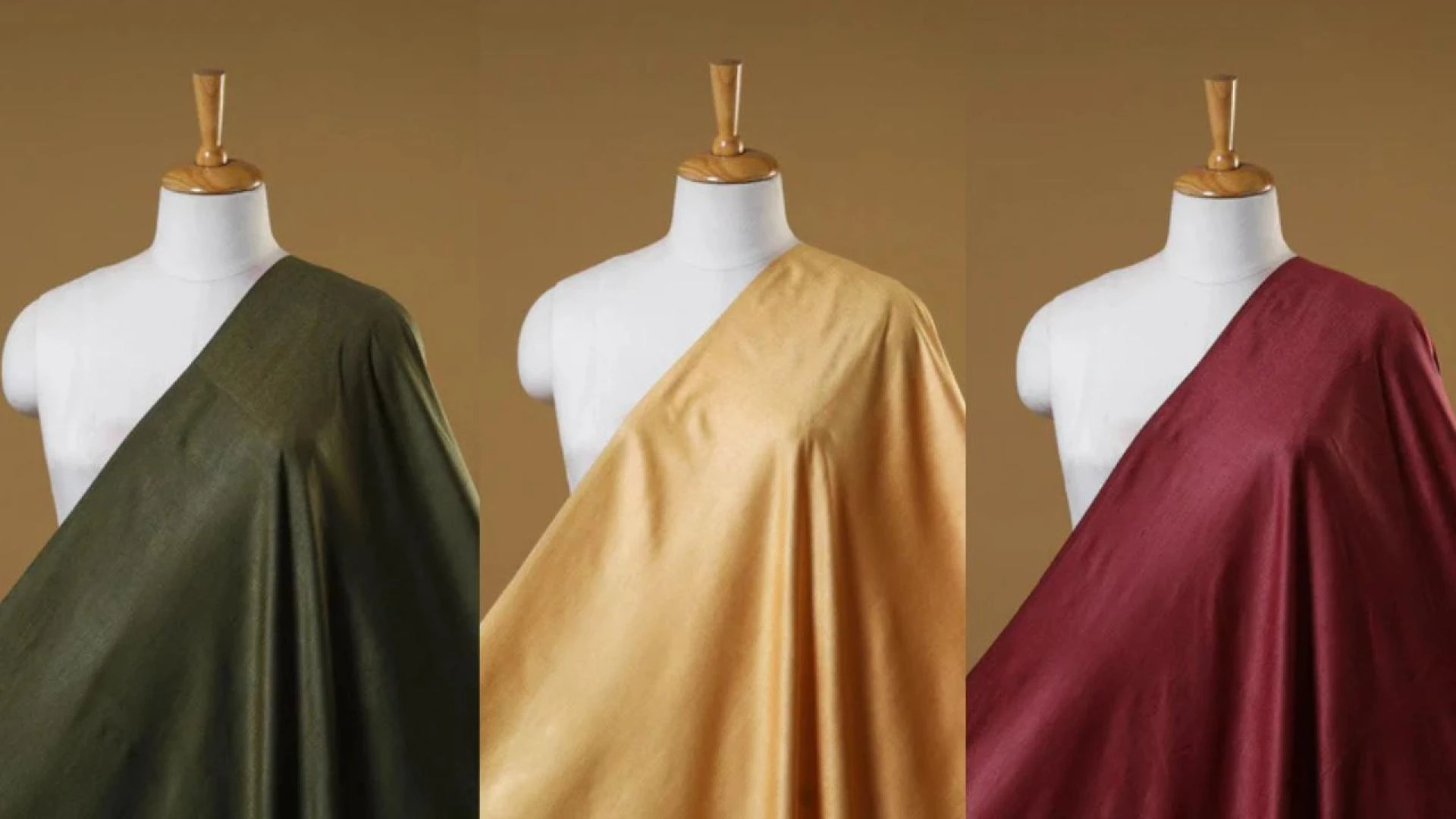

Handwoven artistry meets modern efficiency: at iTokri, the charm of handloom fabric is woven into every thread. When comparing it with powerloom fabric, the differences span texture, feel, complexity, and more—each a story of craft vs. mechanization.
Weaving Process & Technology
Handlooms operate without electricity, using manual skill and traditional pit or frame looms maintained by artisans in their homes. In contrast, powerlooms are electrically powered, originally adopted by England’s cotton industry and now capable of up to 2,000 weft insertions per minute—ushering mass production with remarkable speed.
Texture & Feel
Fabrics produced on handlooms are notably softer and more resilient—breathe more, carry more body, and often feel heavier due to their looser weave. Powerloom fabrics, by comparison, are stiffer and denser, owing to their tight mechanical weaving.
Aesthetic & Sidedness
With handloom fabric, the reverse side mirrors the front—each motif echoes through. Powerloom-made cloth often reveals loose threads and stitch ends on the reverse, as machines can’t seamlessly weave both sides with such finesse.
Imperfections vs Flawlessness
Handloom fabrics may include minor flaws—slight unevenness, thread pulls, or little imperfections—characteristics of human handiwork that add charm and uniqueness. Powerloom fabrics, though flawless in texture, lack that idiosyncratic allure produced by an artisan’s skill.
Design Complexity
Intricate traditional designs—like delicate Persian Ambi or Amru patterns—are achievable only on handlooms, where artisans perform highly skilled, detailed weaving. Powerlooms fall short in reproducing such complex artistry
Weight & Body
Handloom textiles tend to be heavier with more substance, retaining their thickness over time. Powerloom fabrics can thin out, as the mechanical pressure from heavy electric looms influences fabric density.
Resilience & Breathability
Thanks to their loose weave, handloom fabric permits airflow and remains resilient—ideal for comfort and durability. Powerloom weaving’s tighter construction reduces these qualities.
Soul & Story
Every handloom fabric piece carries a narrative—a human touch, age-old skill, and artisanal legacy. Powerloom fabric, while efficient, doesn’t carry that same soul, offering instead mass uniformity.
Why This Matters at iTokri
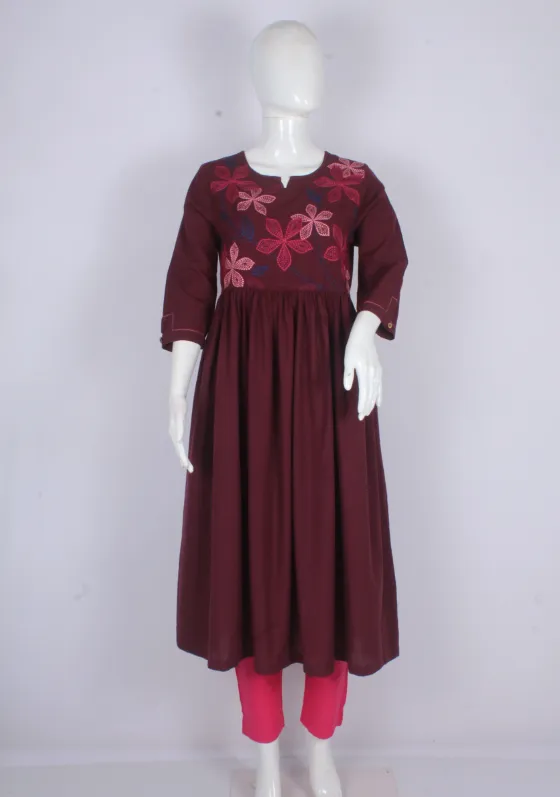
At iTokri, we champion artisans and their craft. Our dedication to showcasing authentic Indian handicrafts means that most garments and textiles featured on our site—from cotton hand-loom shirts, sarees, scarves, printed fabrics, short kurtis, stoles to towels—are created on handlooms. This aligns with our mission to uplift craftsmen and highlight their artistry.
In Summary:
- (handloom fabric) – Soft, breathable, with personality, slight imperfections, and exceptional design complexity.
- Powerloom fabric – Uniform, fast-produced, durable—but lacking in artisanal touch and intricate character.
When you choose handloom fabric from iTokri, you’re not just picking a textile—you’re supporting centuries-old craft, human effort, and a piece of India’s rich weaving heritage.








Sign in to leave a comment.