The MENA region covering the Middle East and North Africa is a hub for industries like oil and gas, construction, water treatment, and manufacturing. In these sectors, equipment performance can make or break a project. And at the heart of this performance are the fittings that connect, control, and secure entire systems.
From pipelines running deep underground to valves controlling the flow of chemicals, industrial fittings play an unseen but vital role in keeping operations safe and efficient.
Why the Right Fittings Matter
Think of fittings as the “joints” of an industrial system. They connect the main components, direct flow, and ensure the entire network works seamlessly. The right fittings:
- Reduce the risk of leaks and downtime
- Handle extreme temperatures and pressures
- Resist corrosion in harsh environments
- Keep systems operating smoothly for years
In the MENA region, where both climate and industry demands can be intense, choosing the right fitting isn’t just about function it’s about long-term reliability.
Common Industrial Fittings in the MENA Region
Here are some of the most widely used fittings across industries in the region:
1. Pipes and Pipe Fittings
From carbon steel to stainless steel and PVC, pipes and their connectors form the backbone of most industrial systems. The choice often depends on what’s flowing through them and the environmental conditions.
2. Valves
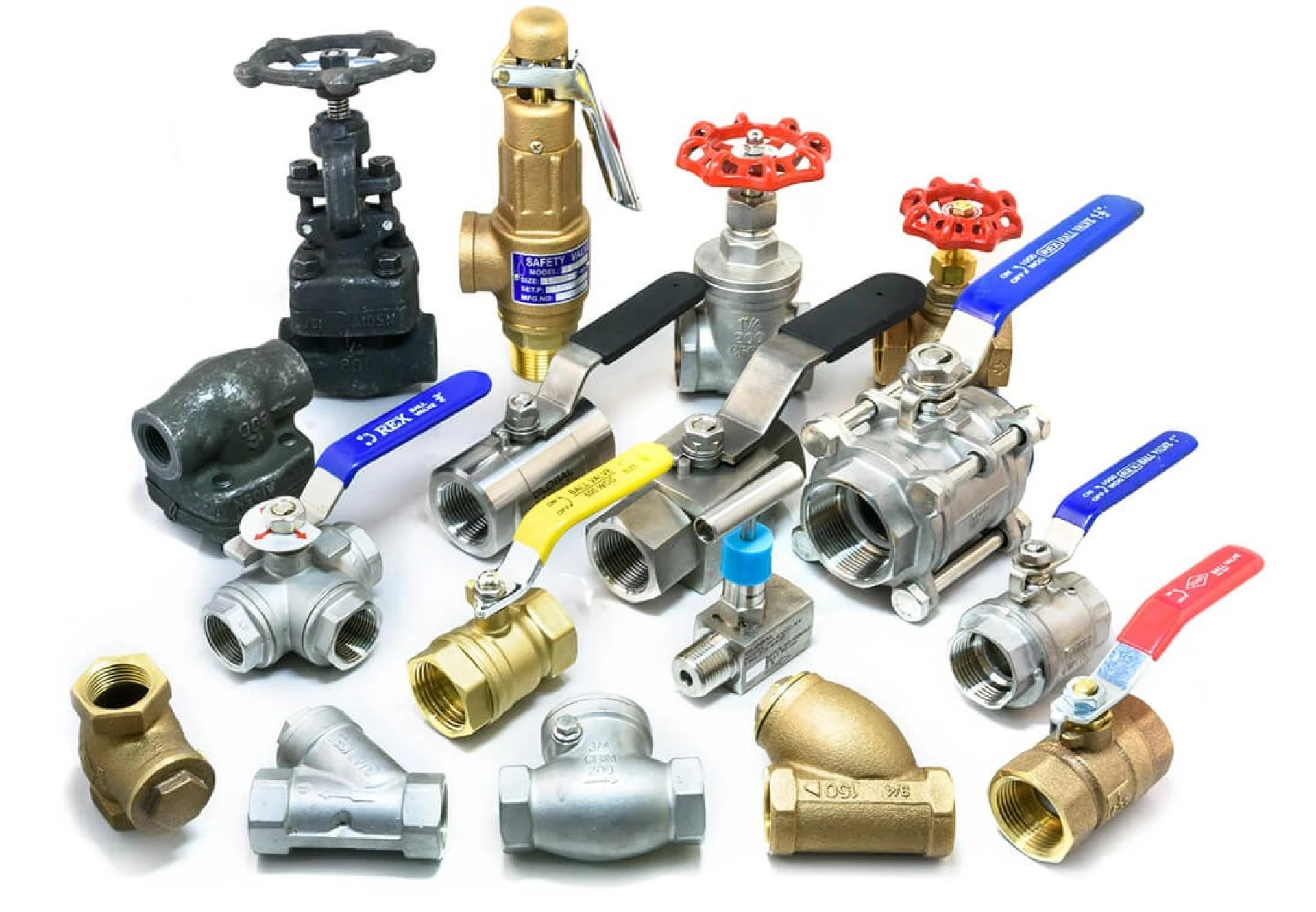
Valves are the control points they regulate, stop, or allow flow. From gate valves to ball valves, each type has a specific role. For example, an SS316 ball valve Dubai is popular in industries that require high corrosion resistance, especially in coastal or chemical-heavy environments.
3. Flanges
Used to connect pipes, pumps, and valves, flanges make maintenance and inspection easier. Materials vary from steel to more specialized alloys.
4. Couplings and Unions
These fittings join pipes together while allowing for easy disassembly when needed a must for systems that require frequent servicing.
5. Reducers and Adaptors
Used to connect pipes of different diameters or materials, ensuring smooth flow without compromising strength.
Material Considerations in the MENA Region
The region’s climate brings unique challenges high heat, sand, humidity, and in coastal areas, salty air. This means:
- Stainless steel and corrosion-resistant alloys are often preferred
- Coatings or treatments may be necessary to extend lifespan
- Pressure ratings must account for extreme temperature fluctuations
Tips for Choosing Industrial Fittings
- Know Your Medium – Whether it’s water, oil, gas, or chemicals, the material choice must match the fluid.
- Factor in the Environment – Corrosion resistance is non-negotiable in coastal or chemical plants.
- Work with Trusted Suppliers – Reliability in sourcing means reliability in operation.
- Think About Maintenance – Easy access for inspections can save a lot of time and money.
Final Thoughts
Industrial fittings may be behind the scenes, but they’re the reason complex systems work without a hitch. In the MENA region, where environmental and industrial challenges can be demanding, choosing the right components is essential. Whether it’s a heavy-duty flange, a precision-engineered coupling, or a durable SS316 ball valve Dubai, investing in the right fittings is an investment in the safety and efficiency of your entire operation.










Sign in to leave a comment.