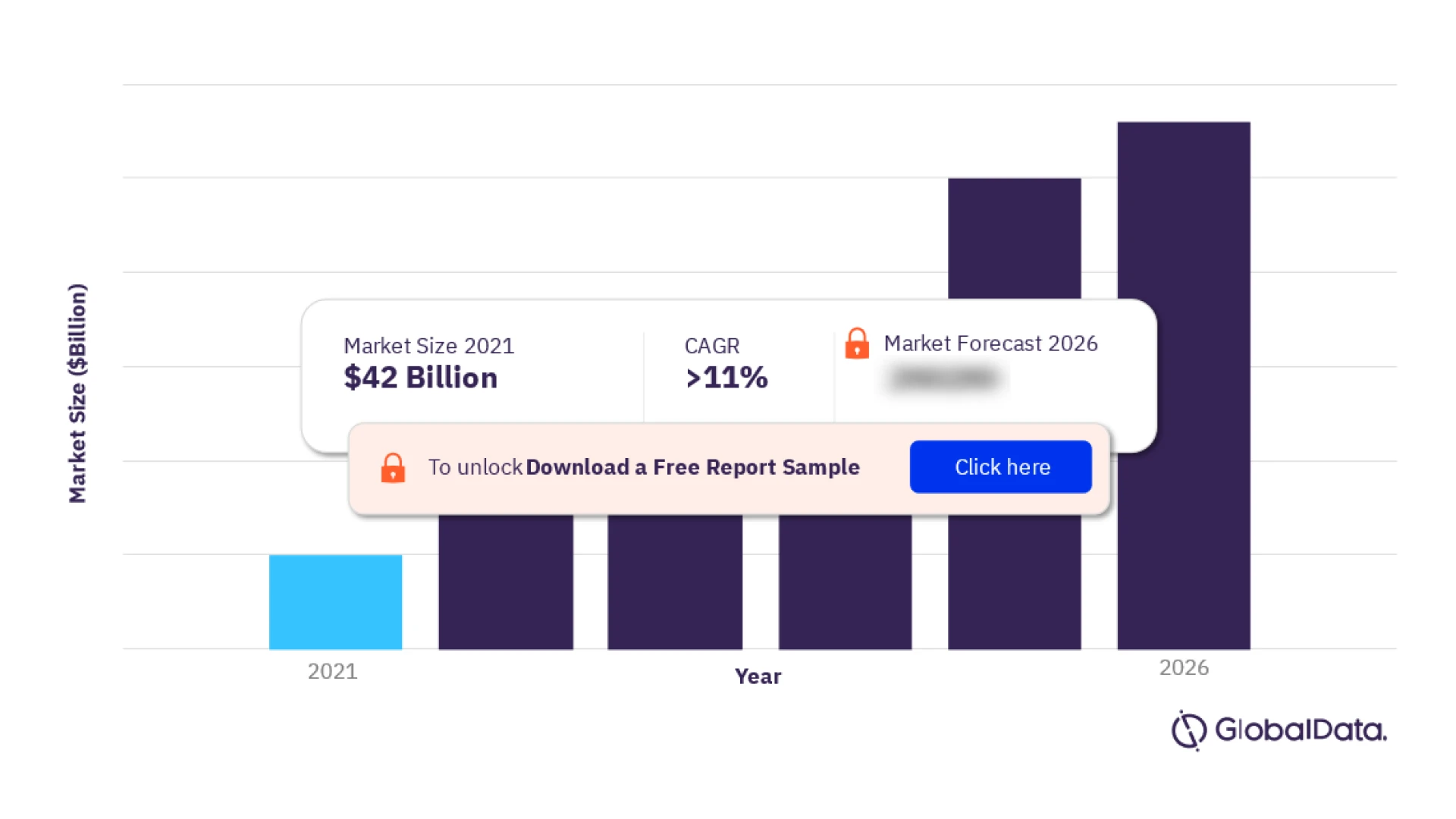

The wine market in China is dynamic and has seen significant growth in recent years, driven by factors such as increasing disposable income, changing consumer preferences, and a growing appreciation for wine culture.
Buy the full report for more China wine market insights or download a free report sample
Here are some key players and market dynamics shaping China's wine market:
Key Players:
Changyu Pioneer Wine Co., Ltd.:
Changyu Pioneer Wine Co., Ltd. is one of the largest and oldest wine producers in China, with a history dating back to 1892.The company produces a wide range of wines, including red, white, and sparkling wines, and operates vineyards and wineries in several regions across China.Yantai Changyu Group Co., Ltd.:
Yantai Changyu Group Co., Ltd. is another major player in China's wine industry and a subsidiary of Changyu Pioneer Wine Co., Ltd.The company is involved in wine production, distribution, and retail, with a diverse portfolio of domestic and imported wines catering to different consumer preferences.Dynasty Fine Wines Group Limited:
Dynasty Fine Wines Group Limited is one of the leading producers of Chinese wine, specializing in premium and high-end products.The company's portfolio includes both Chinese and imported wines, with a focus on quality and authenticity.China Foods Limited (Great Wall Wine):
China Foods Limited, under the brand name Great Wall Wine, is a prominent player in China's wine market, offering a wide range of wines catering to various price segments.The company has a strong distribution network and brand presence across China.Moët Hennessy Diageo (MHD) Wines Company Limited:
MHD Wines Company Limited is a joint venture between Moët Hennessy and Diageo, two of the world's leading alcoholic beverage companies.The company imports and distributes a portfolio of international wine brands in China, including Moët & Chandon, Dom Pérignon, and Château Cheval Blanc.Market Dynamics:
Increasing Consumption: China's growing middle class and rising disposable incomes have led to an increase in wine consumption, driven by changing lifestyles, urbanization, and a growing interest in Western culture.
Preference for Imported Wines: Imported wines, especially those from traditional wine-producing countries such as France, Italy, Australia, and Chile, are highly regarded by Chinese consumers for their quality, prestige, and status.
E-commerce and Digitalization: The rise of e-commerce platforms has transformed the wine retail landscape in China, making it more accessible to consumers across the country. Digital marketing and online sales channels play a significant role in reaching and engaging Chinese consumers.
Premiumization Trend: There is a growing demand for premium and high-quality wines in China, driven by a desire for sophistication, authenticity, and exclusivity among affluent consumers.
Wine Education and Tourism: Wine education and tourism are gaining popularity in China, with an increasing number of consumers seeking knowledge and experiences related to wine production, tasting, and culture.
Government Regulations and Tariffs: Government regulations, including import tariffs and labeling requirements, can impact the dynamics of the wine market in China. Changes in trade policies and regulations may affect the pricing and availability of imported wines.
Health and Wellness Trends: Growing awareness of health and wellness has led to an increased interest in wine consumption for its perceived health benefits, such as antioxidants and moderate alcohol content, among Chinese consumers.
Overall, China's wine market presents opportunities for both domestic and international players to capitalize on the country's growing wine culture and expanding consumer base. Understanding consumer preferences, market trends, and regulatory dynamics is essential for success in this dynamic and competitive market.










Sign in to leave a comment.