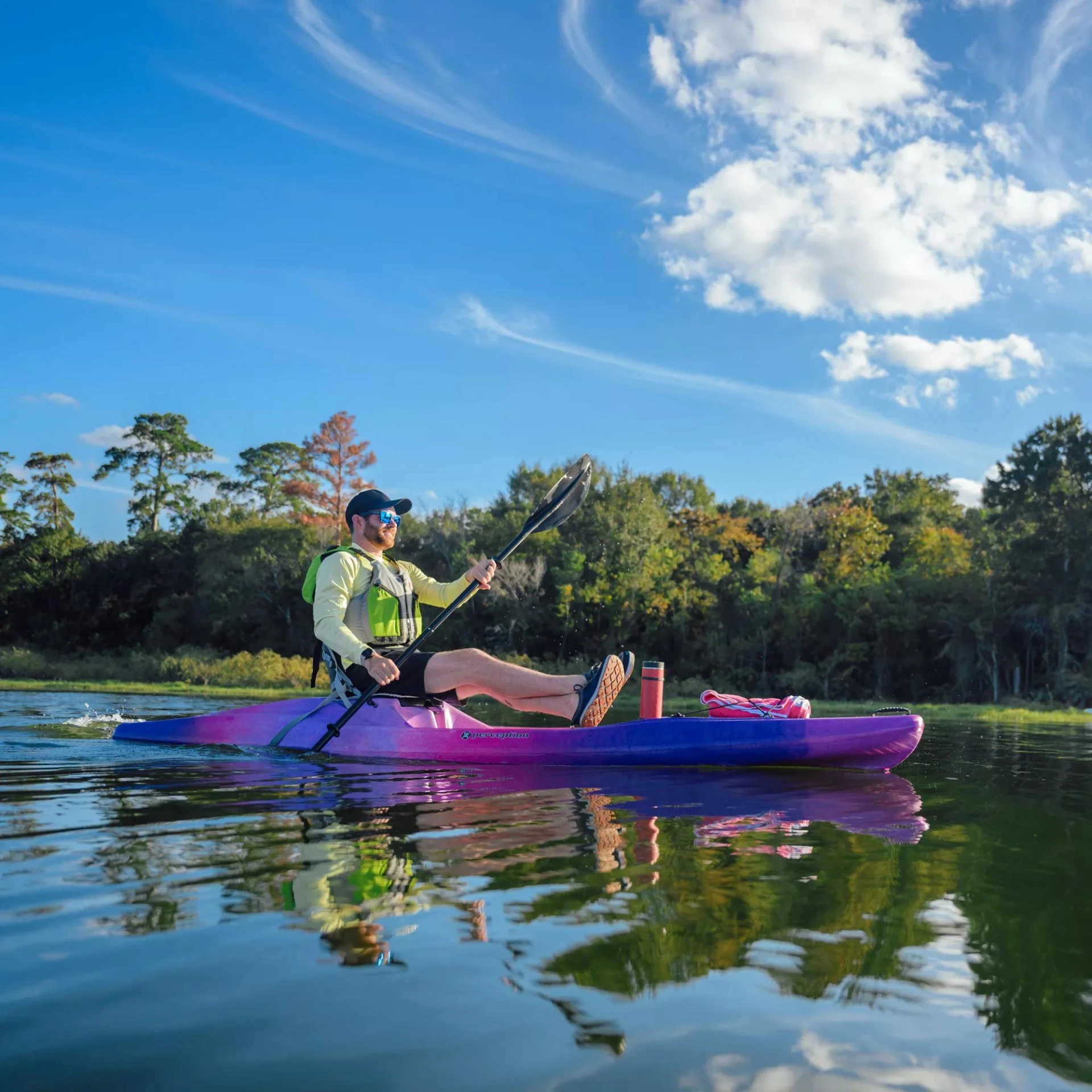

Paddling often feels calm, even effortless. The paddle board glides forward, water moves gently beneath you, and the horizon seems steady and inviting. Yet safety on the water is rarely about reacting in dramatic moments. It’s about quiet preparation before you ever step off the shore. The habits you build before and during each outing determine how smoothly the experience unfolds.
Safety doesn’t diminish enjoyment. It protects it.
Wear a Proper Leash
One of the simplest and most important practices is using a leash. Even strong swimmers can be separated from their boards by wind or current. The paddle board is not just equipment; it is flotation. Staying connected ensures it always remains within reach.
For flatwater paddling, a coiled leash reduces drag and prevents tangling. In moving water, specific quick-release options may be safer. Choosing the right style for your environment keeps protection aligned with conditions.
A leash is easy to overlook until it becomes essential.
Use a Personal Flotation Device
Wearing a properly fitted personal flotation device adds a layer of security that often goes unnoticed until needed. Modern designs are lightweight and allow a full range of motion, meaning they don’t interfere with stroke mechanics or balance.
Inflatable belt models offer minimal bulk, while traditional vests provide consistent buoyancy and added visibility. Selecting a style that feels comfortable encourages consistent use.
Preparedness works best when it feels natural.
Check Weather and Water Conditions
Calm water can change quickly. Wind speed, tide shifts, and incoming storms all influence safety. Before heading out, review local forecasts and water reports. Pay attention to wind direction, as paddling against increasing wind can make returning to shore more difficult.
Understanding the environment allows you to plan routes realistically. If conditions look uncertain, postponing your session may be the wisest decision.
Awareness reduces unnecessary risk.
Dress for the Water Temperature
Air temperature can be misleading. Falling into cold water poses a greater risk than many realize. Dress according to water temperature rather than how warm it feels on land.
In cooler conditions, wear appropriate layers or a wetsuit designed for immersion. Quick-drying clothing improves comfort and reduces the shock of unexpected exposure.
Comfort supports safety when conditions shift unexpectedly.
Stay Visible
Visibility plays a key role in shared waterways. Bright clothing, reflective accents, or small safety flags increase your presence to boaters and other paddlers. In lower light conditions, adding a waterproof light enhances awareness.
Even on calm lakes, visibility ensures that others can anticipate your movement and avoid close passes.
Being seen matters as much as seeing.
Carry Essential Communication Tools
A waterproof phone case allows access to communication if needed. While you may never require it, having a way of calling for assistance provides peace of mind.
For longer or more remote outings, consider a whistle attached to your flotation device. It’s lightweight, requires no batteries, and can signal for help quickly.
Preparedness doesn’t require bulk, just intention.
Practice Controlled Falls and Re-Entry
Falling is part of learning and sometimes part of experience. Practicing how to fall away from the paddle board reduces injury risk. Aim to fall flat and away from fins.
Equally important is practicing re-entry. Knowing how to climb back onto your board confidently prevents panic if you end up in the water. Familiarity builds calmness.
Confidence grows through preparation.
Avoid Overloading the Board
Respect the board’s weight capacity. Exceeding recommended limits reduces stability and increases the chance of tipping. If carrying gear, distribute it evenly and secure it firmly under deck bungees.
Balanced weight maintains control and preserves maneuverability.
Efficiency begins with proper setup.
Paddle Within Your Limits
Skill progression takes time. Avoid venturing too far from shore until you’re comfortable with balance, turning, and basic navigation. Gradually expand the distance as confidence grows.
Pacing yourself prevents fatigue, which can impair judgment and coordination.
Sustainable progress enhances long-term enjoyment.
Final Thoughts
Key safety practices for paddle board owners are rarely complicated. Wear a leash. Use a flotation device. Check conditions. Dress appropriately. Stay visible. Carry communication tools. Practice recovery skills. Respect weight limits. Paddle within your ability.
Each habit reinforces the next, creating a foundation of quiet confidence. When preparation becomes routine, your focus shifts fully to movement, rhythm, and the calm connection between board and water.
Safety doesn’t interrupt the experience. It allows it to unfold smoothly, without unnecessary concern. And when you know you’re prepared, each outing feels steadier, not just beneath your feet, but in your mindset as well.












Sign in to leave a comment.