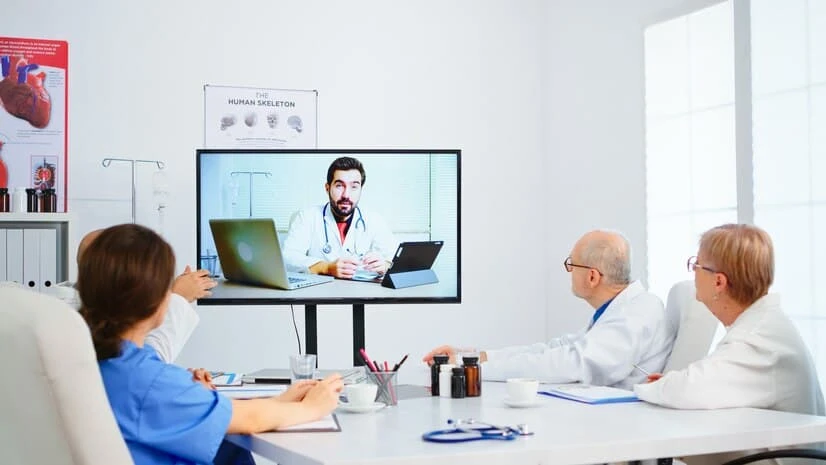

The field of orthopedics has witnessed significant advancements over the past few years, particularly with the integration of technology into medical practices. The Online Orthopedics Conference in NY has become a focal point for professionals seeking to share insights, discuss innovations, and explore the future of orthopedic care. With a diverse lineup of speakers, engaging discussions, and cutting-edge research presentations, this conference provided a wealth of knowledge for attendees. This article encapsulates the key takeaways from the event, highlighting the trends, challenges, and innovations that are shaping the field of orthopedics today.
Embracing Telemedicine and Digital Health Solutions
One of the most prominent themes discussed at the conference was the increasing reliance on telemedicine and digital health solutions in orthopedic practice. The COVID-19 pandemic accelerated the adoption of telehealth services, prompting orthopedic surgeons to rethink how they interact with patients. The shift towards virtual consultations has not only improved access to care for patients but also increased efficiency for healthcare providers.
During the conference, several speakers emphasized the importance of integrating telemedicine into routine orthopedic practice. They highlighted the benefits of remote consultations, such as reduced travel time for patients and the ability to monitor recovery remotely. Moreover, advancements in digital health technologies, including wearable devices and mobile health applications, have empowered patients to take a more active role in their recovery processes, providing valuable data to their healthcare providers.
The discussions underscored the necessity for orthopedic surgeons to familiarize themselves with these digital tools, as they are likely to become integral components of patient management moving forward. The ability to offer comprehensive care through telehealth can enhance patient satisfaction and outcomes, ultimately transforming the landscape of orthopedic medicine.
Innovations in Surgical Techniques and Technology
Another key focus of the Online Orthopedics Conference in NY was the exploration of innovative surgical techniques and technologies that are reshaping orthopedic procedures. Experts in the field presented groundbreaking research on minimally invasive surgical techniques, robotic-assisted surgeries, and advanced imaging technologies. These innovations aim to reduce recovery times, minimize complications, and improve overall surgical outcomes.
For instance, presentations on arthroscopic techniques underscore the growing trend towards less invasive procedures that allow for faster recovery and reduced postoperative pain. Surgeons discussed how these techniques are not only beneficial for patients but are also changing the skill set required for orthopedic surgeons. As technology continues to evolve, practitioners must adapt and enhance their surgical skills to leverage these advancements effectively.
Robotic-assisted surgery was another hot topic at the conference. With the ability to enhance precision and control during procedures, robotic systems are becoming increasingly popular in orthopedic surgery. Presenters shared case studies that illustrated the positive impact of robotic assistance on surgical outcomes and patient recovery. The potential for improved accuracy and reduced human error was a driving force behind the enthusiasm for this technology among attendees.
The Importance of Interdisciplinary Collaboration
The conference also stressed the significance of interdisciplinary collaboration in orthopedic care. As the complexity of patient cases increases, orthopedic surgeons must work closely with other healthcare professionals, including physical therapists, radiologists, and pain management specialists. Collaborative approaches to patient care can lead to more comprehensive treatment plans and improved outcomes.
Speakers highlighted successful case examples where interdisciplinary teams effectively managed challenging orthopedic cases. By leveraging the expertise of various specialists, healthcare providers can create holistic treatment strategies that address not only the physical aspects of orthopedic conditions but also the psychological and emotional needs of patients.
Furthermore, the conference showcased initiatives aimed at fostering collaboration among healthcare providers. Workshops and breakout sessions encouraged attendees to share their experiences and insights on building effective interdisciplinary teams. This collaborative spirit is essential for advancing the field of orthopedics and ensuring that patients receive well-rounded care.
Addressing Patient Education and Engagement
Patient education and engagement emerged as critical components of effective orthopedic care during the conference. Many speakers emphasized the need for orthopedic surgeons to invest time in educating their patients about their conditions, treatment options, and recovery processes. Empowering patients with knowledge can lead to better adherence to treatment plans and improved outcomes.
Presentations highlighted various strategies for enhancing patient education, including the use of visual aids, educational videos, and interactive tools. By providing patients with clear and accessible information, healthcare providers can help them make informed decisions about their care. The conference also explored the role of technology in patient engagement, with discussions on mobile applications that facilitate communication between patients and their healthcare teams.
Additionally, the importance of addressing patient concerns and questions was underscored. Attendees learned that fostering open lines of communication can significantly enhance the patient experience, ultimately leading to greater satisfaction and better results. By prioritizing patient education and engagement, orthopedic surgeons can build stronger relationships with their patients and promote positive health outcomes.
Navigating Challenges in Orthopedic Care
While the conference celebrated the advancements in orthopedic medicine, it also acknowledged the challenges that practitioners face. Issues such as healthcare disparities, access to care, and the rising costs of treatment were prevalent topics of discussion. Speakers emphasized the need for the orthopedic community to address these challenges head-on to ensure equitable access to care for all patients.
Healthcare disparities, particularly in underserved populations, were highlighted as a significant concern. The conference featured discussions on initiatives aimed at increasing access to orthopedic care in these communities. By advocating for policy changes and community outreach programs, orthopedic surgeons can play a vital role in bridging the gap in healthcare access.
The rising costs of orthopedic treatments, driven by advancements in technology and surgical techniques, also prompted discussions among attendees. While innovations have the potential to improve patient outcomes, they can also contribute to increased healthcare expenses. The need for cost-effective solutions and value-based care models was emphasized throughout the conference as a way to navigate this challenge.
Future Directions in Orthopedics
As the conference concluded, attendees were left with a sense of optimism regarding the future of orthopedics. The integration of technology, the emphasis on interdisciplinary collaboration, and the growing focus on patient engagement position the field for continued growth and improvement. Attendees recognized that staying abreast of the latest advancements and trends is essential for orthopedic surgeons to provide the best possible care.
Looking ahead, the orthopedic community is poised to embrace further innovations, including artificial intelligence and machine learning in diagnostic processes, as well as the continued evolution of telemedicine. The potential for personalized medicine, where treatment plans are tailored to the unique needs of individual patients, also presents exciting possibilities for the future.
Conclusion: A New Era in Orthopedic Care
The Online Orthopedics Conference in NY has provided a platform for orthopedic professionals to come together, share insights, and explore the future of their field. With a focus on telemedicine, innovative surgical techniques, interdisciplinary collaboration, patient education, and addressing challenges, the conference has illuminated the path forward for orthopedic care.
As the orthopedic landscape continues to evolve, it is crucial for practitioners to adapt and embrace new technologies and strategies. For those looking to enhance their event experiences and foster connections within the orthopedic community, exploring opportunities with platforms like lerEXPO can provide the tools and resources necessary to thrive in this dynamic field. Join the movement toward innovation and excellence in orthopedic care today!














Sign in to leave a comment.