
The residential development market is a rapidly changing industry driven by evolving consumer preferences, economic strains, and technological advancement. With the housing demand continuing to rise, developers should be willing to adjust to new demands and adopt progressive approaches that will keep them in the competition.
Sustainability is a Priority.
Sustainability has ceased to be a nice-to-have characteristic but a necessity in residential development. Customers are becoming more conscious of purchasing environmentally friendly houses that conserve energy usage and minimise pollution. The developers are reacting by integrating solar panels, energy-efficient appliances, and environmentally friendly building materials. Moreover, the regulatory frameworks are driving towards a more environmentally friendly construction mode, whereby environmental responsibility will be in the limelight of future developments.
Digital Integration and Smart Homes.
Technology is changing the lifestyle of people and residential homes are not an exception. Smart homes equipped with automated lighting, climate control, and advanced security systems are becoming the norm. Besides increasing convenience, these features help to save energy and are even safer. With the further development of digital infrastructure, the introduction of intelligent technologies will become even more influential in forming modern housing.
Urban Densification and Mixed-Use Living
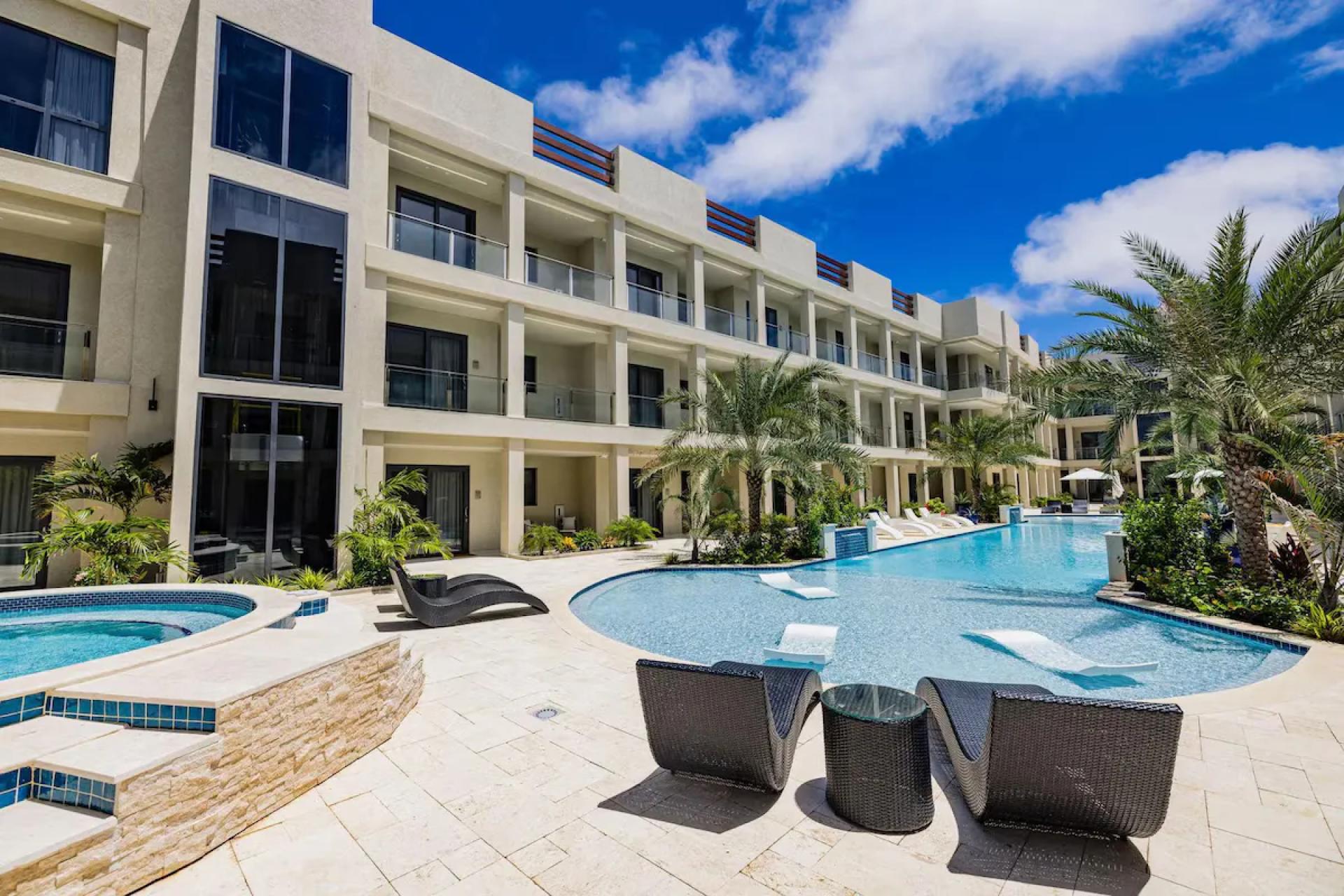
As cities become more urbanised and land space diminishes, they are turning to higher-density living options. There is increasing popularity in using apartment complexes and mixed-use developments, where residential, commercial and recreational areas are combined. This solution encourages convenience, lessens commuting time and makes the residents feel a greater community.
Affordable and Innovative Construction
Affordability remains a significant challenge especially among first-home buyers. In order to solve this problem, developers are resorting to the use of new ways of construction like modular and prefabricated construction. The methods assist in lowering the expenses and construction schedules, making homeownership more affordable. Strategic and scalable business approaches also demonstrate how adaptability can support long-term success in evolving markets.
Community-Centric Developments
Homebuyers today are not only seeking a place to live in but they are also seeking a feeling of belonging. Community-based designs are becoming a major concern among developers that incorporate common facilities like parks, fitness centres and co-working areas. These aspects do not only improve the lifestyles of the residents, but also help in building stronger and more intertwined communities.
Adapting to Changing Demographics
Residential design is being greatly affected by demographic changes. The ageing population is increasing the demand for convenient and low-maintenance houses and the younger buyers are demanding flexible areas to support remote working and living modern lifestyles. Developers need to develop flexible living spaces that can meet various and changing demands.
Conclusion
A mix of sustainability, technology, affordability and changing lifestyle demands is shaping the future of residential development. The developers who will accept such trends and be flexible will find it easier to satisfy future buyers. With the industry in transition, innovation and value creation would be central in the long-term growth and success.














Sign in to leave a comment.