
Looking to design a child’s room rich in character? Whether you’re setting up a nurturing baby’s room, a fun playroom for a preschooler, or a stylish retreat for a teen, I've got a few ideas to share. As an architect specializing in design for children and a mom of two insanely accomplished creatives, I'm here to impart some furniture arrangement tips while designing practical yet whimsical boys’ and girls’ rooms to grow.
Multi-purpose Furniture for Versatility
In my experience, it’s best to start by establishing a sound foundation that will not feel outdated for years to come. Think modular and interchangeable. Be mindful of the scale: avoid bulky or heavy-looking pieces. On the other hand, don’t shy away from an oversized accessory—a huge mirror, for example.
Loft bed with built-in desk: Elevate a bed to increase floor space and provide integral storage. Add a second bed under the loft in an “L” configuration to accommodate sleepovers.
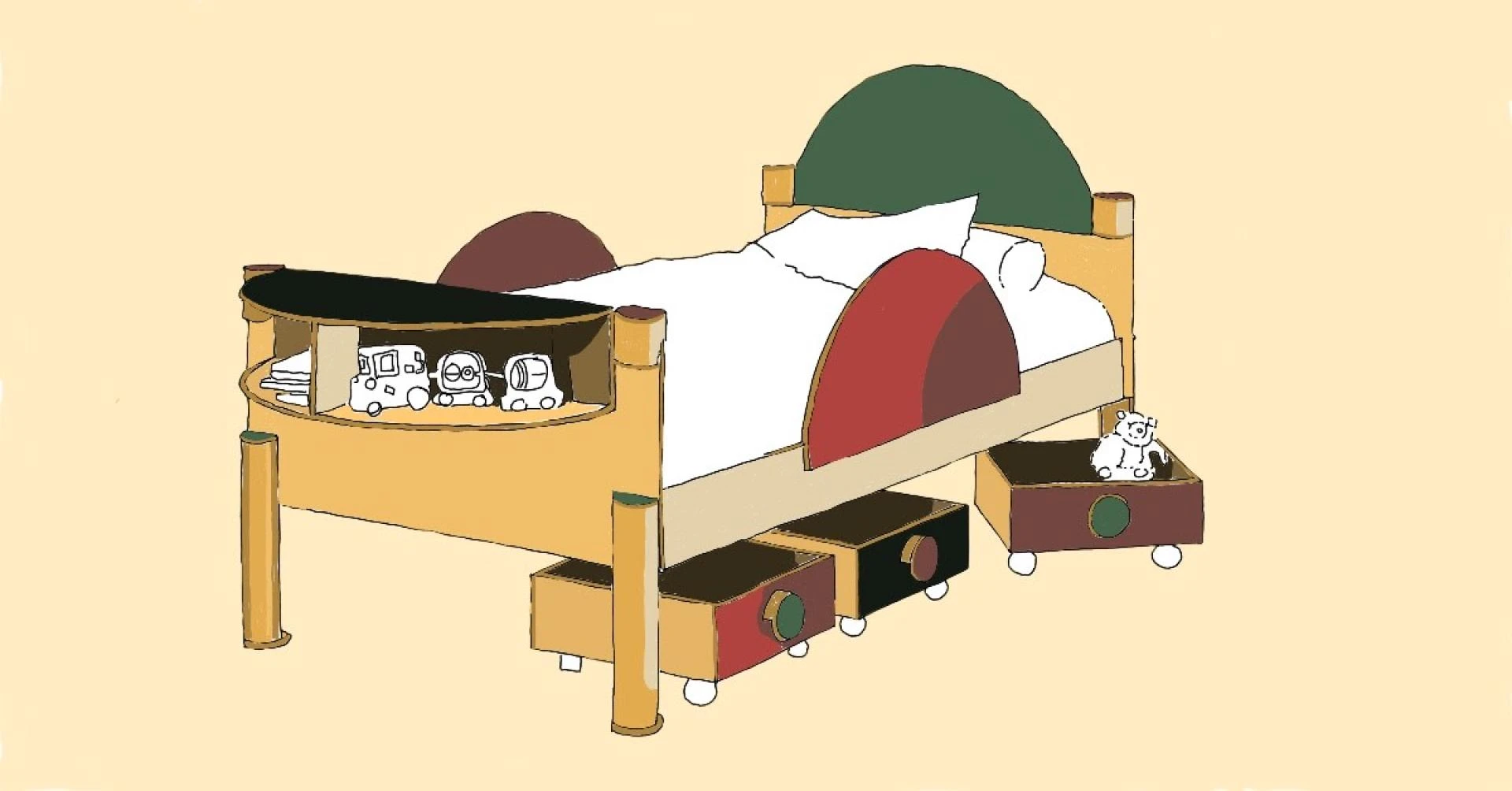
Sleep & Store bed: Make the headboard count by building-in a cubby. How about a cantilevered footboard that if hung on the bed rail becomes a side table? Make sure it has a shelf to keep a few of the most important belongings close.
Sliding and Folding Furniture for Flexibility
Bed on wheels: Take advantage of every inch of floor space by making a bed maneuverable. Put it on oversized casters to wheel around the room and to make rearranging a breeze.
Desk on wheels: If a work surface cannot face a window in its fixed position, dock it in a corner. Glide it out toward light and view when it’s time to use it. https://alladiyally.com/portfolio/
Wall-mounted folding desk: Collapse it to accommodate another activity.
Nesting furniture: Choose stools, flatware caddies, and storage bins that can be folded up and stowed away.
Innovative Off-the-Floor Storage Systems for Display and Play
Ensure a clutter-free bedroom that will support your child’s changing tastes. Streamline storage to simplify cleanup. Go with appropriately-sized containers. For easy retrieval, be sure that bins are labeled or contents are visible.
Wall-mounted system with adjustable shelving: enhance flexibility by dividing a long surface into usable “drawers” with baskets and boxes. Complement open storage with a set of cabinet doors.
Dresser: Choose a sturdy low dresser for a young child to select his or her own clothes and to put them away. Add a matching unit on top to expand storage capacity as needed. Test the drawers: they should slide smoothly and have stops to keep them from pulling out all the way.
Under-bed storage: Put the under-bed wasteland to good use. Add rolling bins or built-in drawers to accommodate anything from toys to sporting equipment.
Functional Zones for Variety
Offer a choice of activity areas and unify them with color. A desk for school work. A stack of floor pillows for hanging out. A rocker for reading. As mentioned above, a well-considered floor plan should support an occupant or occupants in all of their pursuits.
- Maximize corners
- Utilize areas that are often overlooked
- Have a dedicated space for everything
Conclusion
Kids like their belongings to be in plain view. Plan ahead to combine creative storage and multipurpose furniture. Maximize the available space without compromising on comfort. Foster a sense of belonging. Make room for play. Let it feel intimate.





















Sign in to leave a comment.