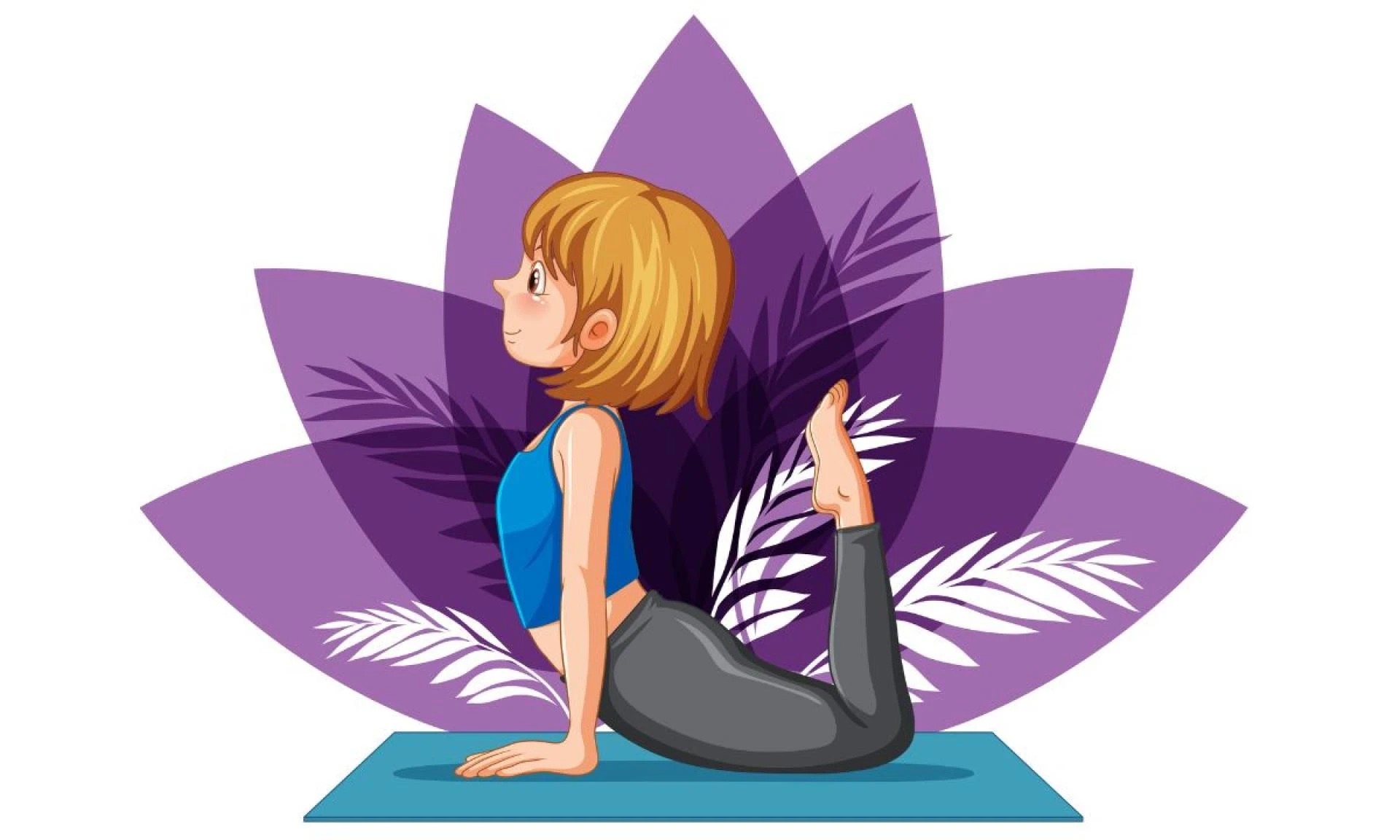

If you’ve been exploring yoga for a while, you’ve likely heard of the King Cobra Pose, or Raja Bhujangasana. This advanced backbend combines flexibility, strength, and mindfulness to deliver a truly royal experience for both your body and mind. In this guide, we’ll dive deep into everything you need to know about King Cobra Pose, from its history and benefits to step-by-step instructions and tips for mastering it. Let’s get started!
What Is King Cobra Pose?
King Cobra Pose, known as Raja Bhujangasana in Sanskrit, is a more advanced variation of the classic Cobra Pose (Bhujangasana). This pose not only enhances the spine’s flexibility but also requires deep chest opening and shoulder mobility.
Unlike the standard Cobra Pose, where your pelvis remains on the ground, King Cobra Pose involves lifting your hips off the mat and reaching your feet toward your head, creating a striking arch. It’s as majestic as it sounds—resembling the poised stance of a cobra raising its hood.
Why Should You Practice King Cobra Pose?
King Cobra Pose isn’t just a showstopper; it offers a wide range of physical, mental, and emotional benefits. Here’s why you should consider incorporating it into your practice:
Physical Benefits
- Improves spinal flexibility: This pose stretches the entire spine, making it supple and strong.
- Strengthens the core and back: Lifting your body in this pose requires significant engagement from your core, back, and glutes.
- Opens the chest and shoulders: It’s an excellent counterbalance for anyone who spends long hours hunched over a desk.
- Boosts circulation: The intense stretch stimulates blood flow to your spine and vital organs.
- Improves posture: By strengthening the back and opening the chest, this pose helps combat rounded shoulders and slouching.
Mental and Emotional Benefits
- Relieves stress: The deep stretch and mindful breathing help release tension and calm the mind.
- Enhances focus: Practicing challenging poses like King Cobra improves concentration and mindfulness.
- Promotes self-confidence: Mastering such an advanced posture can boost your sense of accomplishment and self-belief.
Step-by-Step Guide to Mastering King Cobra Pose
Before attempting King Cobra Pose, ensure you’re comfortable with foundational poses like Cobra Pose, Upward-Facing Dog (Urdhva Mukha Svanasana), and Bow Pose (Dhanurasana). Here’s how to get into King Cobra Pose:
Step 1: Warm-Up
Start with a 5-10 minute warm-up to prepare your spine and shoulders. Include poses like Cat-Cow, Child’s Pose, and Low Cobra.
Step 2: Begin in Cobra Pose
- Lie flat on your stomach with your legs extended and tops of your feet pressing into the mat.
- Place your hands under your shoulders, elbows close to your body.
- Inhale as you lift your chest, rolling your shoulders back and down. Keep your elbows slightly bent.
Step 3: Transition to King Cobra
- Engage your glutes and lower back as you lift your pelvis off the ground.
- Bend your knees, bringing your feet closer to your head.
- Gradually reach your head and feet toward each other. You can grasp your ankles with your hands for support if your flexibility allows.
Step 4: Hold and Breathe
- Hold the pose for 5-10 deep breaths, focusing on opening your chest and elongating your spine.
- Keep your neck relaxed to avoid strain.
Step 5: Release Safely
- Slowly release the pose by lowering your legs and chest back to the mat.
- Rest in Child’s Pose for a few breaths to neutralize your spine.
Mistakes and How to Avoid Them
- Forcing the Pose: Trying to push beyond your limits can lead to injury. Listen to your body and progress gradually.
- Neglecting Alignment: Ensure your spine is evenly arched, and avoid collapsing into your lower back.
- Skipping Warm-Up: Diving into King Cobra without proper preparation increases the risk of strain.
- Holding Your Breath: Maintain a steady breath to stay relaxed and focused.
Tips for Progressing Safely
- Incorporate Prep Poses: Work on poses like Bow Pose, Camel Pose, and Bridge Pose to build the flexibility and strength needed for King Cobra.
- Use Props: Place a yoga strap around your ankles or a bolster under your chest to support your progress.
- Practice Patience: Mastery takes time. Celebrate small milestones along the way.
Who Should Avoid King Cobra Pose?
While King Cobra Pose offers numerous benefits, it’s not suitable for everyone. Avoid this pose if you:
- Have a recent back or neck injury.
- Are pregnant or experiencing significant abdominal discomfort.
- Feel sharp pain while attempting the pose.
Always consult with a yoga instructor or healthcare provider if you’re unsure about practicing this pose.
Frequently Asked Questions
1. How long does it take to master King Cobra Pose?
The time varies depending on your flexibility, strength, and practice consistency. For most people, it takes several months to a year of regular practice.
2. Can beginners try King Cobra Pose?
It’s best for beginners to stick to foundational poses like Cobra Pose and work their way up to King Cobra over time.
3. How often should I practice?
Aim for 3-4 times a week, focusing on preparatory poses and gradually incorporating King Cobra as your body allows.
Conclusion: Embrace Your Inner Majesty
King Cobra Pose is more than just a physical challenge; it’s a journey of self-discovery and growth. By practicing patience, mindfulness, and consistency, you’ll not only master this majestic pose but also unlock a deeper connection with your body and mind. So, roll out your mat, channel your inner cobra, and rise to the occasion. Your royal yoga adventure awaits!




Sign in to leave a comment.