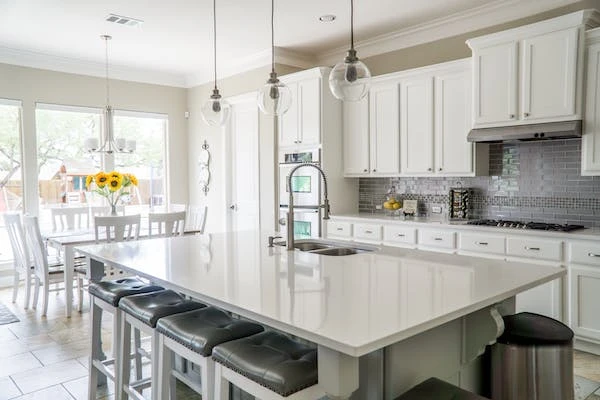

Your kitchen design is the foundation for your entire space. It’s important that you have a layout that is functional and suits your lifestyle.
For example, using a zone-style layout that organises major equipment along sections of walls in the proper order for increased flow. This also helps with communication and supervision.
U-Shaped Layout
Designed to maximise countertop and storage space, the U-shaped layout suits smaller rooms. The shape can be paired with an island for a more functional cooking workflow or combined with an open-plan space for added comfort and flexibility.
The shape of a U-shaped kitchen can easily feel cramped if tall cabinetry runs along all three walls, so opt for base units or fit your cabinets in one wall only to keep the look airy.
To avoid a closed-in atmosphere, fill your U-shaped kitchen with ample lighting. Decorative pendants or timeless sconces help reduce visual clutter while creating a bright ambience. Opt for curved corners on your cabinetry to soften the look.
Circular Island
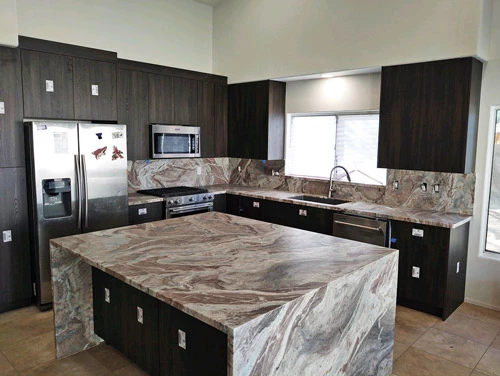
Circular islands are a stunning focal point that can elevate the style of any kitchen. They work well in open-concept spaces and smaller rooms because they eliminate sharp corners that create a boxed-in look. Their rounded shape adds visual interest and elegance, and you can highlight this design feature with a striking material like marble or granite for an eye-catching surface.
Circular island designs also offer ample storage opportunities. You can incorporate cabinets, drawers or open shelving along the curved perimeter, which gives you a convenient place to store your cookware and other kitchen essentials. This layout also improves kitchen traffic flow by creating a natural separation between the cooking and dining areas.
This configuration is ideal for a galley kitchen layout, a popular alternative to the L-shaped island. It offers a space for food prep and seating, allowing you to follow the classic work triangle design by placing the sink, refrigerator, and stove within easy reach.
Galley Layout
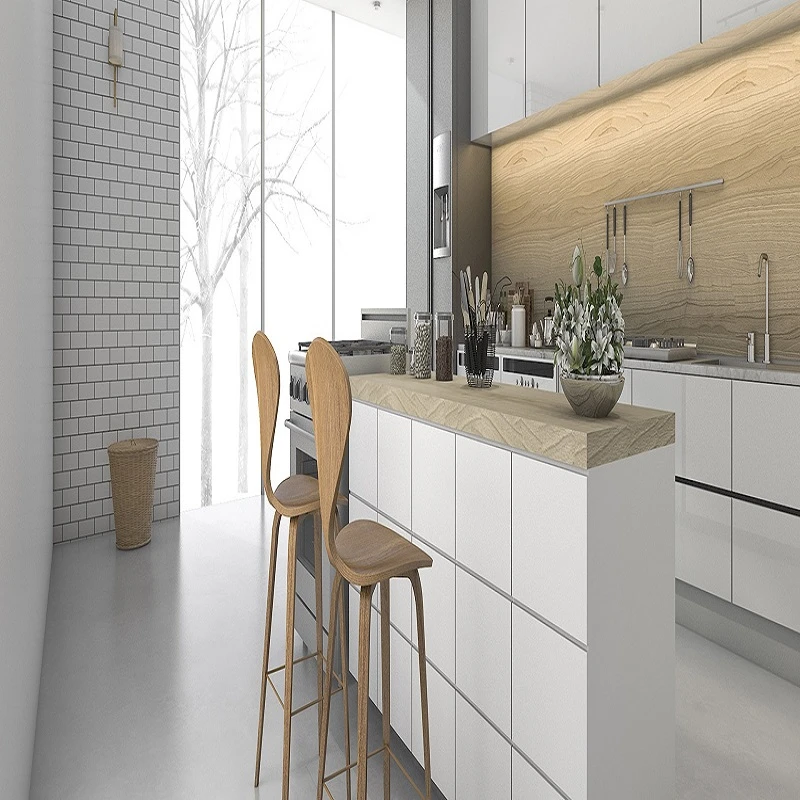
A galley or corridor kitchen is a lean and efficient choice for tight spaces. This design features two parallel runs of wall cabinets that face each other, maximising space without losing usable floor area.
However, this layout can be restrictive if not carefully planned. To make it feel less constricting, use curved kitchen cabinetry to soften straight lines. Curves in any form, from the edge of a counter to the bottom of a light fixture, create movement and lead the eye through the space rather than blocking your path as straight edges would.
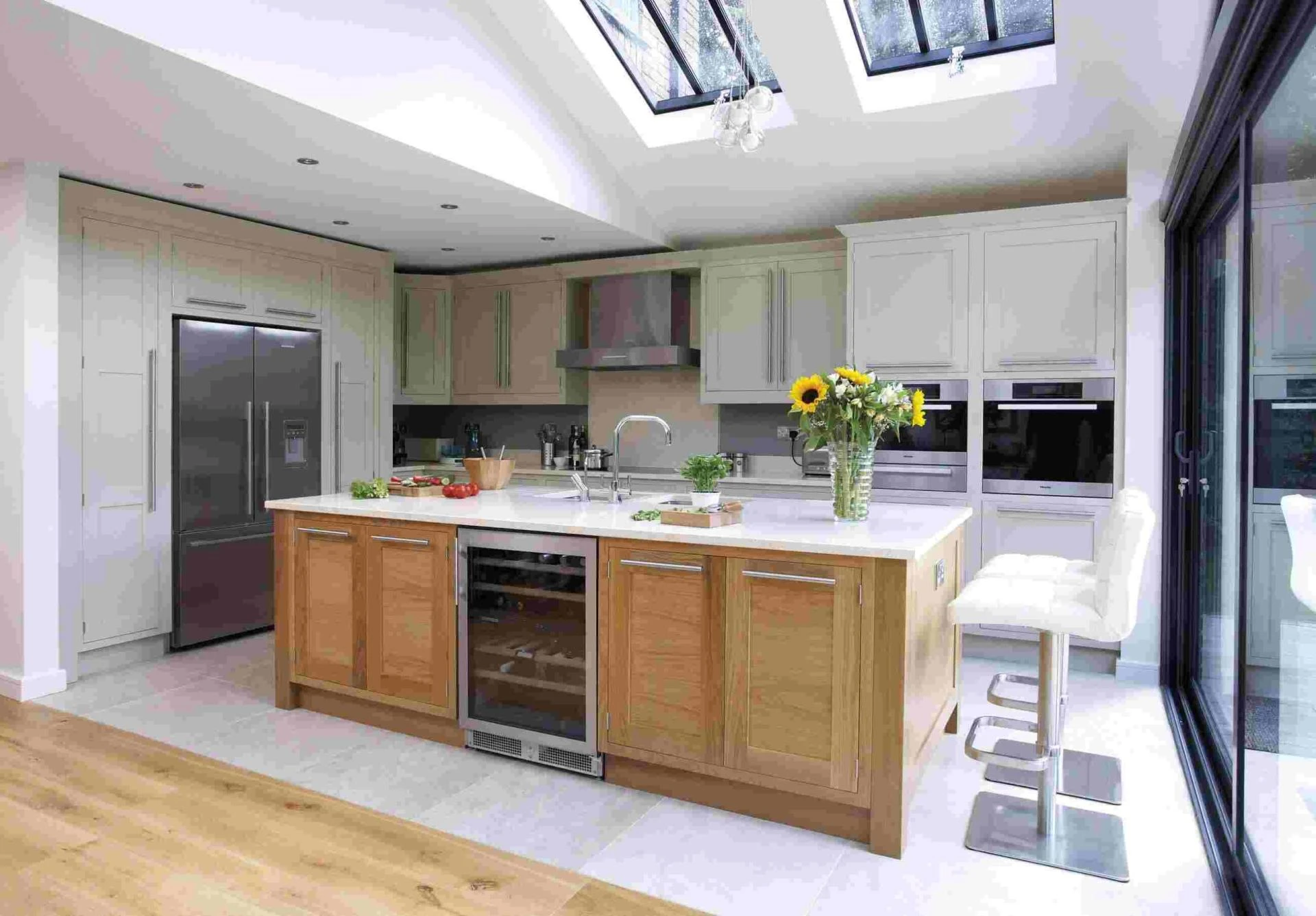
Pale colours and light-reflecting finishes will brighten up narrow galley kitchens, making the room feel bigger and more open. In addition, playing up natural light with peekaboo windows under the base units and skylights in the ceiling will enhance a dark space. Also, widen the gap between opposing runs of kitchen cabinets to accommodate a freestanding table for a more sociable, casual dining area.
Cabinetry
In kitchen design, cabinets can make or break the setup. They help keep cookware and baking essentials close at hand, store extra appliances and serve as a backdrop for decorative accents.
A popular trend is to make cabinets look more like furniture. Instead of boxy white cabinetry, designers opt for sleeker handles and subtle finishes that aren't out of place in a living space. Freestanding cabinets and even reclaimed barn wood are mixed with fitted units for an eclectic, functional look.
When drafting your kitchen plan, a designer will create three types of cabinetry layout documents for your review. These include a floor plan, an elevation drawing of each wall that will receive cabinetry and a perspective view from one or more vantage points within the kitchen. The elevation drawings depict base cabinets as solid lines and wall cabinets as dashed outlines. Cabinets with glass fronts are often marked with a thicker line than the rest of the outline.



Sign in to leave a comment.