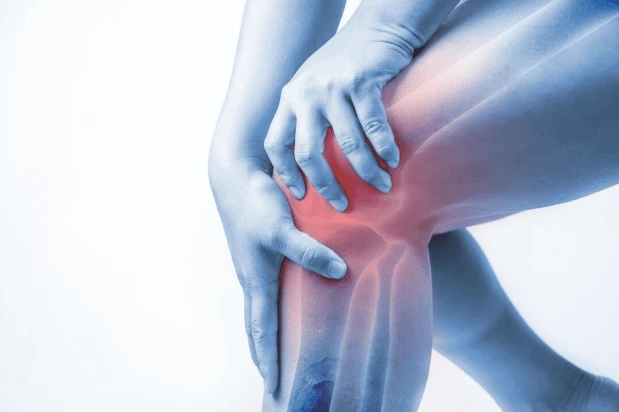

Knee Pain
Common knee issues. They can make walking painful at worst. This pain may occur when bending your knee, putting weight on it, or always. Treatments and pain management can fix these issues. Pain management experts can help. Anesthesiologists are medical doctors who specialise in pain management and create personalised treatment plans.
Knee pain—why?
Your knee has bone, cartilage, ligaments, and fluid. Tendons and muscles move the knee. Knee difficulties result from damage to these structures. Common knee pain causes include:
Osteoarthritis. Knee cartilage deteriorates.
Rheumatoid arthritis. The knee may swell and damage cartilage.
Ligament damage. A quick twist causes ACL damage. Direct impact, whether from a vehicle accident or sports, causes posterior cruciate ligament (PCL) injuries.
Tendon damage. Inflammation to tears can result from sports usage or falls.
Cartilage damage. Injury, misuse, muscle weakness, misalignment, or a blow to the knee can soften or break kneecap cartilage.
Kneecap broken. A fall or knee blow destroys the patella, the little, spherical bone above the front of your knee joint.
Why visit a pain specialist?
Pain management reduces suffering and aids recovery in every treatment plan. Pain management specialists know how to combine all pain relief options. Even if individual treatments don't work, a multimodal regimen may help.
Pain management specialists diagnose and treat pain with minimal adverse effects. These treatments can be non-pharmaceutical. Comprehensive pain management, with or without drugs, is usually more effective.
When should I see a pain management specialist?
If your knee discomfort is becoming chronic, consider a pain management professional. The agony lasts 90 days or longer. Chronic pain is indicated by prolonged pain for your illness.
Pain management professionals can diagnose and treat alone or with additional doctors. These include your general care doctor, orthopedist, rheumatologist, and physical therapist.
Orthopedists treat bones, joints, ligaments, tendons, and muscles. Rheumatologists treat rheumatic disorders without surgery. Physical therapists employ exercises, stretches, medical massage, and other hands-on approaches to improve mobility, reduce pain, and prevent injury.
Knee pain diagnosis: how?
Accurate determination requires a careful examination. The evaluation should determine if the knee causes the pain. Hip injuries can cause knee pain. An injury or sickness in one part of the body causes discomfort in another.
Your doctor considers the following while diagnosing:
Patient traits. Certain traits make some conditions more likely. Osteoarthritis is more common in elderly folks and overuse conditions in athletes. Some conditions involve obesity.
Patient history. The doctor asks about vehicle accidents and sports injuries. The doctor will ask where and when you hurt.
Physical exam results. The doctor moves and probes your knee for muscle, tendon, and cartilage damage. This includes locating the pain behind, in front of, inside, or on top of the knee.
Test results. Structural damage or anomalies may require X-rays, MRIs, or other diagnostic testing.
Medication. This includes over-the-counter remedies, such as acetaminophen and nonsteroidal anti-inflammatory drugs, and more powerful drugs like opioids. Other medications like Aspadol 200mg can help too, including steroids. Because opioids can be addictive, it’s important to have a qualified pain management specialist oversee your medication plan. Some caution is also required with anti-inflammatory medications and steroids, which can weaken cartilage and knee joints.



Sign in to leave a comment.