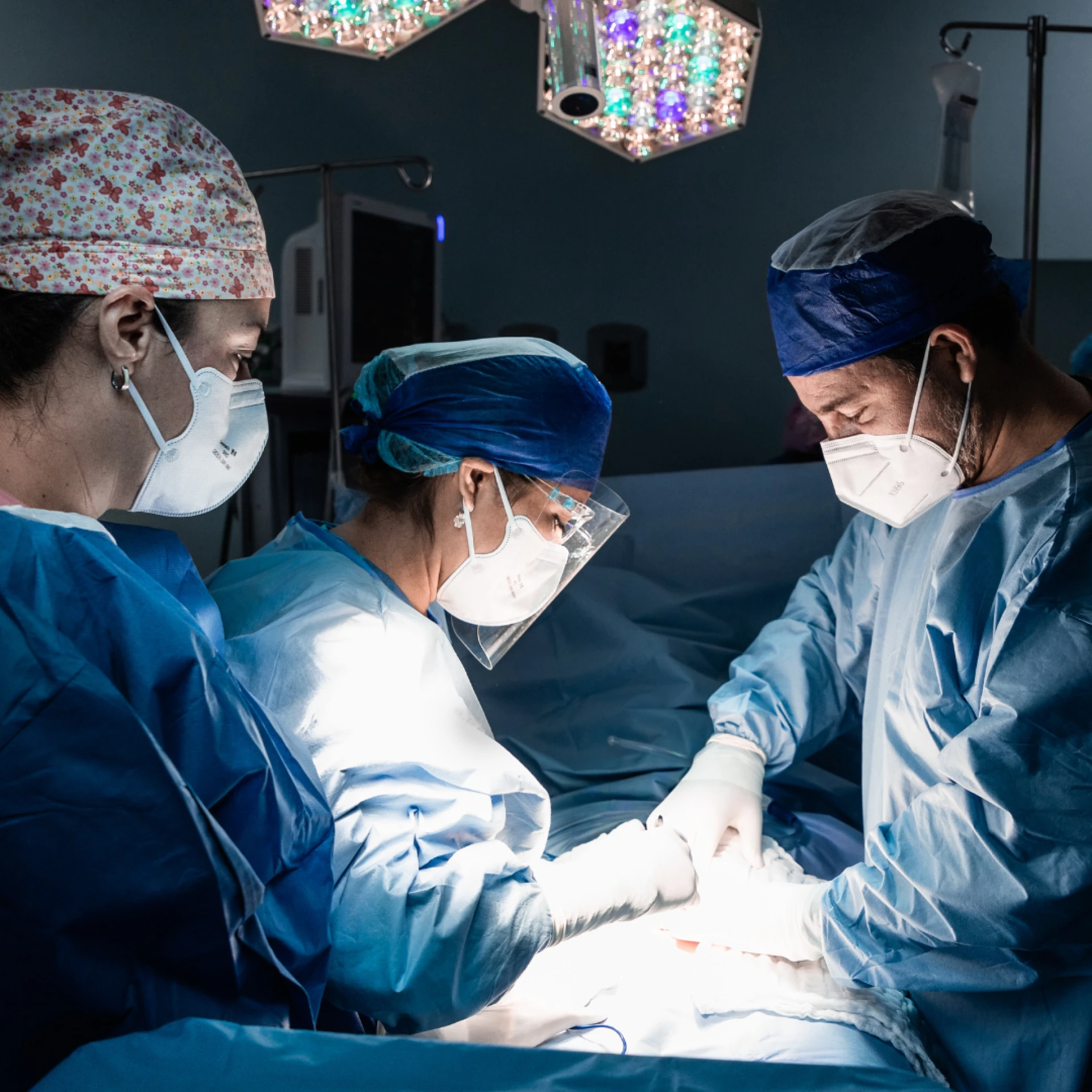

Orthopaedic surgeons frequently perform knee replacement surgery. This surgery relieves pain while allowing individuals to regain improved movement capabilities. It improves their life quality. The success rate of knee replacement surgery in Delhi remains high. But failure is a possibility in selected cases. Patients must understand the causes of knee replacement surgery, related symptoms, and methods to prevent complications to make well-founded choices.
This article shares knee replacement failure probabilities in Indian patients while evaluating potential risks, and presenting strategies to enhance success rates.
Understanding Knee Replacement Surgery
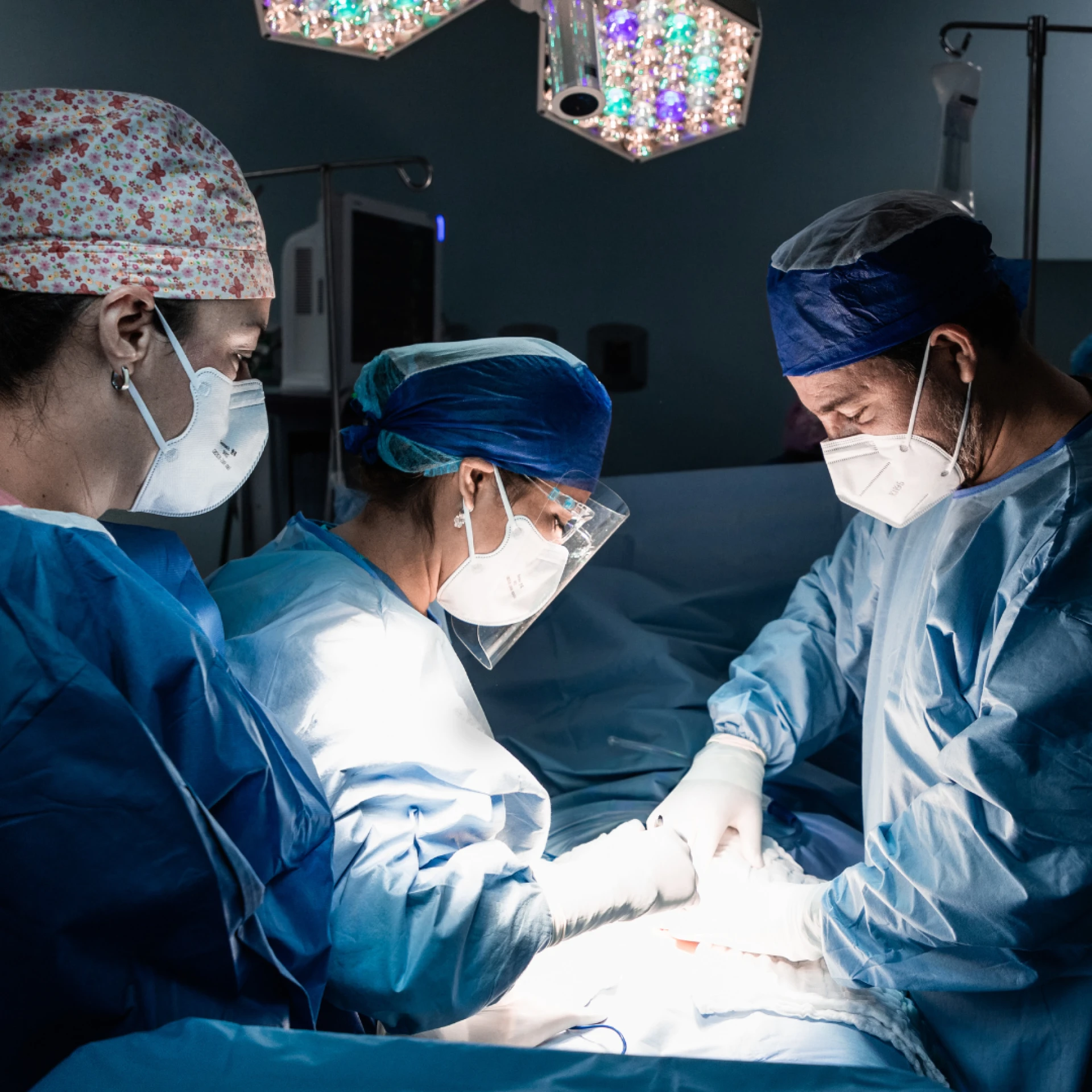
Knee replacement surgery also called knee arthroplasty is a medical operation which replaces damaged knee joints through artificial implants. Healthcare providers perform the surgical operation to assist patients with severe osteoarthritis, rheumatoid arthritis or traumatic injury conditions affecting knee function.
Due to improved medical technology, experienced surgeons, and affordable treatment possibilities the practice of knee replacement surgery has become common in India. The process can be classified into:
- Total Knee Replacement (TKR): Involves replacing both knee joint surfaces
- Partial Knee Replacement (PKR): Replaces only the affected part of the knee
- Revision Knee Replacement: Performed when a previous knee replacement has failed
While the success rate of knee replacement in Delhi is high, certain factors can contribute to complications.
What Are the Chances of Knee Replacement Failure in India?
The success percentage of knee replacement surgery performed in India stands at 90–95%. About 5–10 per cent of patients fail to achieve successful results because of different causes. The success rate depends on a combination of patient age, weight, activity level as well as any existing medical conditions.
Studies show that:
- The majority of knee replacements function well for 15–20 years
- Around 1 in 100 patients may require revision surgery within the first five years
- The risk of failure increases in younger patients due to higher activity levels
Common Causes of Knee Replacement Failure
Understanding why a knee replacement may fail can help in taking preventive measures. Below are common causes:
1. Infection
The failure of knee replacement surgery arises because of post-surgical infections. An infection in knee replacement leads to swelling, redness, and pain which results in fever. Implants need replacement surgery and implant removal to treat severe infections.
2. Implant Loosening
With time implant-to-bone bond strength deteriorates, resulting in component separation. The situation results in pain and instability which forces additional medical care to address the problem.
3. Wear and Tear of Implants
The lifespan of knee implants extends to decades yet continued heavy use tends to accelerate deterioration in young, active patients.
4. Allergic Reactions
Patients who experience allergic reactions to knee implant metal components might develop inflammation that causes pain.
5. Surgical Errors
Procedural errors such as incorrect implant placement or tissue-related damages during surgery will cause knee replacement failure.
6. Blood Clots and Poor Circulation
The formation of deep vein thrombosis (DVT) occurs after surgery impacts healing and recovery for patients. If post-operative treatment plans are properly followed it will decrease these risks.
7. Obesity and Lifestyle Factors
The excessive weight of an overweight person increases stress on their knee joints which decreases implant survival probability. Managing weight with appropriate dieting is essential for an extended lifespan.
Symptoms of Knee Replacement Failure
Recognizing early signs of knee replacement failure can help in seeking timely medical intervention. Common symptoms include:
- Persistent pain and discomfort
- Swelling and stiffness in the knee
- Difficulty in movement or walking
- Instability and clicking sounds from the knee joint
- Redness or signs of infection around the incision
If any of these symptoms occur, consulting the best knee replacement surgeon in Delhi is essential.
Treatment Options for Failed Knee Replacements
If a knee replacement fails, there are several treatment options available, including:
Revision Knee Replacement Surgery
This is the process of replacing a failed implant with a fresh version. The procedure requires more complexity than first knee surgery yet it offers extended pain relief to patients.
Non-Surgical Management
Patients with minor complications can succeed by treating their knees with physiotherapy in combination with medications and lifestyle changes to improve knee function.
Infection Control Procedures
The treatment of infections that lead to implant failure requires either antibiotic medication or surgical removal of the infection.
How to Reduce the Risk of Knee Replacement Failure
While knee replacement failure cannot always be prevented, certain steps can help in minimizing the risks:
- Choose an Experienced Surgeon – Opt for the best knee replacement surgeon in Delhi to ensure precision and expertise.
- Maintain a Healthy Weight – Reducing excess weight can minimize pressure on the knee joint.
- Follow Post-Surgical Care Guidelines – Proper rest, physiotherapy, and medication adherence are crucial for recovery.
- Regular Check-Ups – Periodic follow-ups with an orthopedic specialist can help detect any early issues.
- Avoid High-Impact Activities – Running and heavy lifting should be minimized to prolong implant life.
Cost of Knee Replacement Surgery in Delhi
The knee replacement surgery cost in Delhi varies based on factors such as:
- The type of implant used
- The hospital and surgeon’s expertise
- The complexity of the surgery
On average, the cost ranges from ₹2.5 lakh to ₹6 lakh, depending on the type of knee replacement.
Conclusion
People who undergo knee replacement surgery get relief from knee pain. You must learn about possible complications and follow safety measures to maintain long-term results.
Dr Simon Thomas is among the most qualified orthopaedic experts in Delhi who concentrates on performing knee replacement procedures. By using sophisticated approaches and people-centered medical protocols he reaches high success rates.
If you are considering knee replacement in Delhi, consult an expert like Dr. Simon Thomas. He can provide the best treatment options and post-surgical care to minimize the risk of failure.
































Sign in to leave a comment.