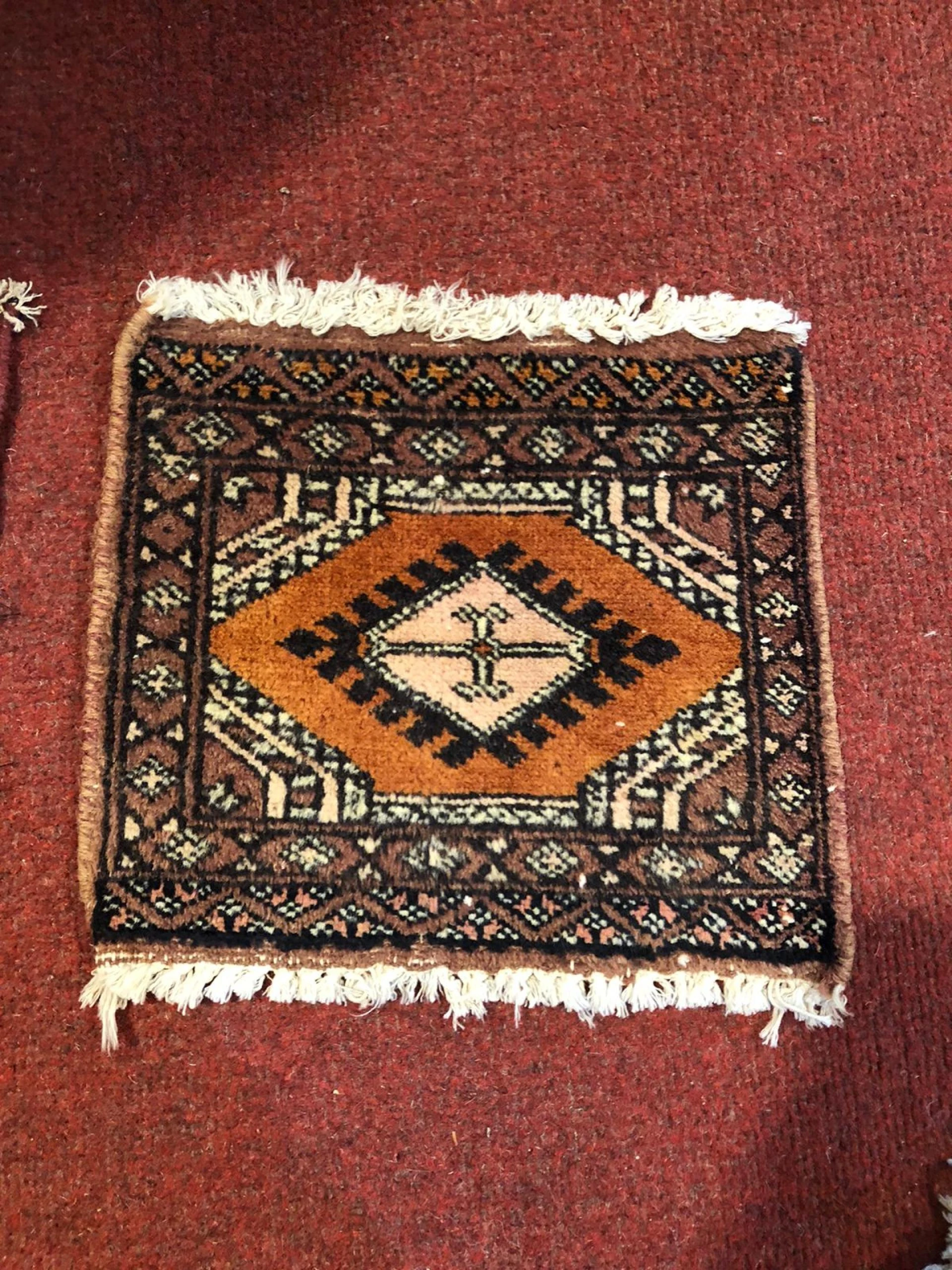

When shopping for hand-knotted carpets, one important term you’ll hear is knot density. But what exactly is knot density? Simply put, knot density measures how many knots are tied per square inch (or per square centimeter) in a carpet. It’s a key factor that shows the quality, detail, and durability of the carpet. The higher the knot density, the finer and more detailed the design can be.
Knot density is usually counted as knots per square inch (KPSI) or knots per square centimeter (KPSC). For example, a carpet with 120 KPSI means there are 120 knots tied in every square inch of the rug. Most hand-knotted rugs range from about 80 to 400 KPSI, with very fine Persian or Oriental carpets reaching up to 800 or more KPSI. The higher numbers mean the carpet can have very intricate patterns and last longer because of the tight weaving.
Why does knot density matter? It directly affects the look and feel of your carpet. A high knot density carpet feels smoother and looks sharper. It also means the carpet took more time and skill to make, often increasing its value. But remember, knot density is not the only factor — materials, dye quality, and design also matter.
If you’re buying a hand-knotted carpet in 2025, check the knot density as a starting point. Look for carpets with a density of at least 120 KPSI for good quality. For luxury rugs, expect 300 KPSI or higher. This will help you get a durable, beautiful carpet that suits your space.
In short, knot density is like the “pixels” of a carpet — the more knots per inch, the clearer and more detailed the picture. Now you can shop smarter and choose a carpet that combines beauty with lasting quality.
























Sign in to leave a comment.