Learning how to tune a piano might seem like an intimidating task, but with patience, proper tools, and the right guidance, anyone can do it. Whether you're a musician looking to touch up your instrument between professional tunings or a DIY enthusiast restoring a vintage piano, this comprehensive guide will help you embark on the rewarding journey of piano tuning.
Why Tune Your Own Piano?
Professional tunings are essential to maintain your piano’s sound, but there are instances where learning to tune it yourself can be beneficial:
- Touch-Ups Between Tunings: Regular tunings are typically done once a year. However, subtle shifts in tuning can occur, especially with frequent play or changes in humidity. Learning to fix out-of-tune notes can keep your piano sounding great in between professional visits.
- Accessibility Issues: If you live in a remote area without access to tuners or face delays in scheduling, knowing how to tune your piano can be a lifesaver.
- Cost-Effective Maintenance: Tuning services can be expensive, especially for multiple pianos or frequent adjustments. Learning the skill can save significant costs over time.
Tools You’ll Need
Having the right tools makes all the difference. Avoid generic household tools, as they can damage your piano. Here’s what you’ll need:
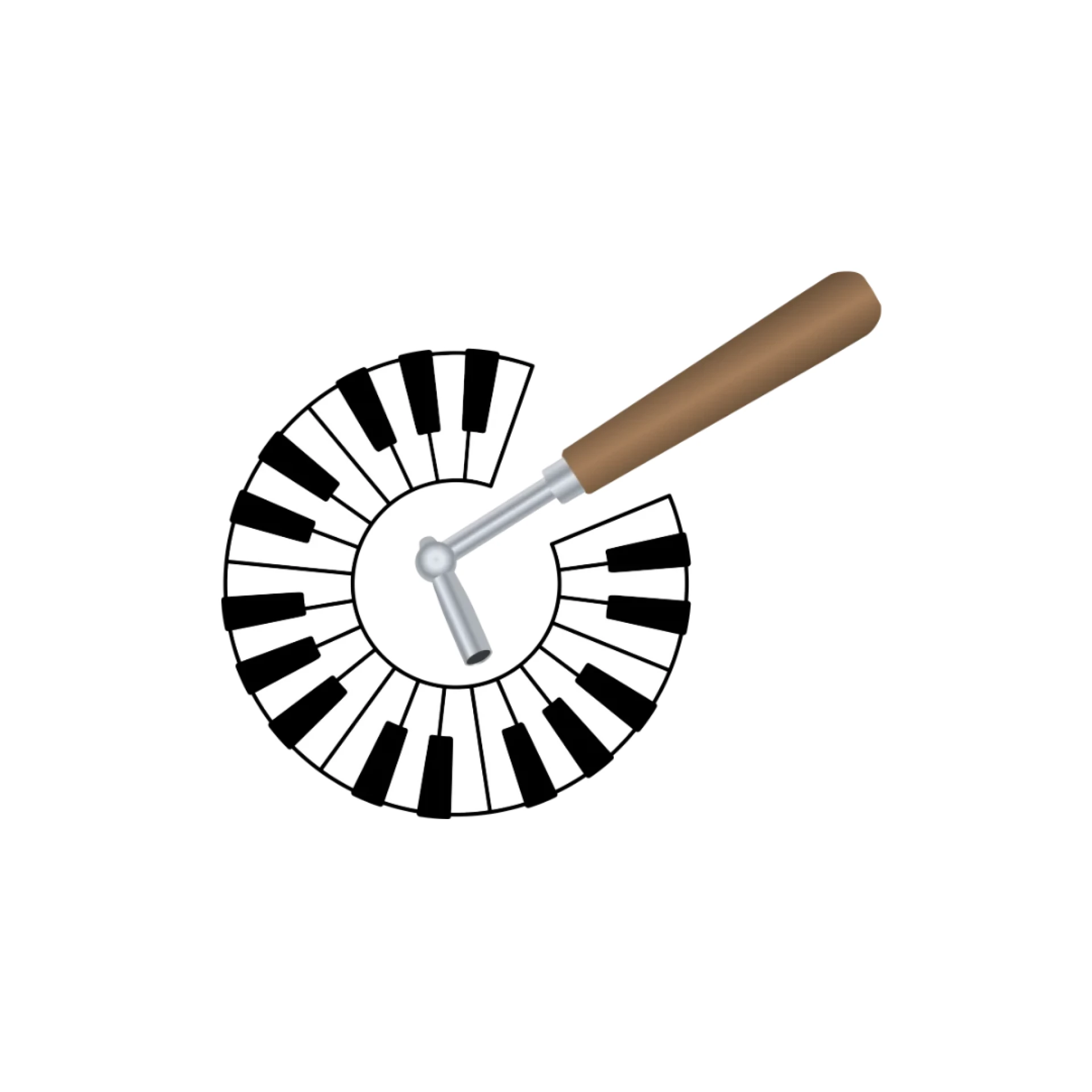
- Tuning Lever: Also called a tuning hammer, this is the primary tool for adjusting the tuning pins. Invest in a high-quality lever for precision and ease.
- Rubber Mutes or Felt Temperament Strips: These are used to isolate specific strings during tuning.
- Piano Tuning Software: Unlike generic tuning apps, specialized software like TuneLab or PianoMeter is essential for creating a custom “stretched” tuning that accounts for your piano’s unique acoustic properties.
Step-by-Step Tuning Process
- Prepare Your Workspace: Ensure the room is quiet with stable temperature and humidity. Even slight environmental changes can affect the tuning.
- Open the Piano: Accessing the tuning pins varies depending on whether you have an upright or grand piano. Follow manufacturer instructions or general guidelines for safe access.
- Set the Temperament: Use your tuning software to calculate the desired pitch for each string, starting with the middle octave.
- Tune Individual Notes: Adjust the tension of each string using your tuning lever. Work slowly, as sudden adjustments can lead to string breakage.
- Test and Refine: Play scales and chords to ensure the piano sounds harmonious. Make fine adjustments as needed.
Piano Tuning Software Recommendations
- TuneLab (Free with Interruptions): This shareware is a favorite among professionals and beginners alike. It’s fully functional, though occasional prompts may pause your work.
- PianoMeter ($30): A budget-friendly choice for hobbyists, offering a user-friendly interface and effective tuning capabilities.
- Entropy Piano Tuner (Free): While free and open-source, this app can be challenging to use due to its outdated design.
Tips for Successful Tuning
- Start Small: Begin by tuning a single octave before tackling the entire piano.
- Practice Patience: Piano tuning is as much an art as it is a skill. Mistakes are part of the learning process.
- Keep Learning: Online forums and resources can provide valuable tips and support as you improve your skills.
Exploring a Career in Piano Tuning
If you enjoy the process and are looking for a side hustle or career change, piano tuning could be a rewarding trade. Start by practicing on an old or inexpensive piano to build confidence and experience.
Tuning your own piano is a fulfilling way to connect with your instrument while saving on maintenance costs. With dedication and care, you’ll be able to bring your piano back to perfect pitch, ensuring it continues to bring joy and music to your life.
Sign in to leave a comment.