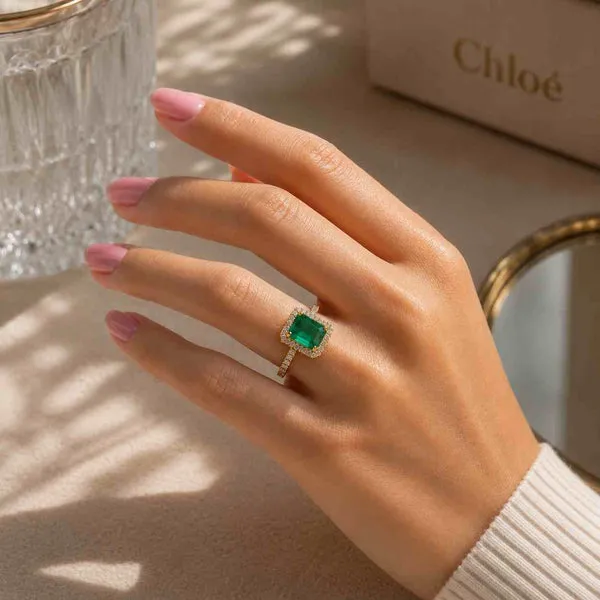

A solitaire ring is one of the most timeless choices for an engagement. Its simple design puts all the attention on one center diamond, making the stone the main feature of the ring.
Today, many couples are choosing lab grown diamond solitaire rings as an alternative to traditional mined diamonds. Lab grown diamonds offer the same basic physical and chemical properties as natural diamonds while often allowing buyers to get a larger or higher-quality stone within their budget.
If you are considering a lab grown diamond solitaire ring, there are a few important things to understand before making your purchase.
What Is a Lab Grown Diamond Solitaire Ring?
A lab grown diamond solitaire ring features a single lab grown diamond as its centerpiece. Unlike a mined diamond, which forms naturally underground over a very long period, a lab grown diamond is created in a controlled laboratory environment using advanced technology.
Lab grown diamonds are real diamonds. They have the same carbon crystal structure as natural diamonds and can have the same appearance, durability, and brilliance.
The main difference is their origin.
In a solitaire setting, this difference can be particularly attractive because more of your budget can be focused on the center stone rather than a ring design with multiple diamonds.
Why Choose a Lab Grown Diamond Solitaire Ring?
There are several reasons buyers consider lab grown diamonds for engagement rings.
1. You May Get More Diamond for Your Budget
One of the biggest advantages is price. Lab grown diamonds are generally less expensive than comparable natural diamonds.
This can give you more flexibility when choosing the carat size, cut, color, or clarity of your center stone.
For example, instead of choosing a smaller natural diamond to stay within your budget, you may be able to consider a larger lab grown diamond.
2. The Solitaire Design Keeps the Focus on the Diamond
A solitaire ring is intentionally simple. There are no rows of side stones competing for attention.
Because of this, the center diamond's cut, shape, proportions, and overall appearance become especially important.
A well-cut lab grown diamond can provide plenty of sparkle while maintaining the classic look that makes solitaire rings so popular.
3. They Offer a Modern Alternative
For couples who want a traditional engagement ring but prefer a modern approach to diamond sourcing, lab grown diamonds can be an appealing option.
You can choose a classic round solitaire, an elegant oval, a romantic pear shape, or another diamond shape while selecting a lab grown stone.
Choose the Right Diamond Shape
The shape of the center diamond can completely change the appearance of a solitaire ring.
Round Cut
Round diamonds are one of the most traditional choices for solitaire engagement rings. Their symmetrical shape and brilliant faceting can create a bright, classic appearance.
Oval Cut
Oval diamonds offer an elegant and slightly more distinctive look. Their elongated shape can also create the impression of a larger stone when viewed from above.
Cushion Cut
Cushion diamonds have soft, rounded corners and a romantic appearance. They can work particularly well with vintage-inspired solitaire settings.
Emerald Cut
Emerald-cut diamonds have long, clean facets that create a more understated type of sparkle. They are a good choice for someone who prefers elegance over intense brilliance.
Pear and Marquise Cut
Pear and marquise diamonds have elongated silhouettes that can make a solitaire ring look more distinctive. Their shapes can also create an elongated appearance on the finger.
There is no single best shape. The right choice depends on your personal style and how you want the ring to look when worn.
Pay Close Attention to Cut Quality
If there is one area you should prioritize when buying a lab grown diamond solitaire ring, it is the cut.
Cut affects how effectively a diamond interacts with light. A well-cut diamond can appear brighter and more lively, while a poorly cut diamond may look dull even if it has excellent color and clarity grades.
Remember that diamond shape and diamond cut are not exactly the same thing. Shape describes the diamond's outline, while cut quality relates to how the diamond's facets interact with light.
For a solitaire ring, where the center stone gets all the attention, cut quality deserves careful consideration.
Understand the 4Cs
Before buying your ring, familiarize yourself with the traditional 4Cs of diamonds: cut, color, clarity, and carat weight.
Cut
Cut has a major effect on brilliance and visual appeal. When comparing diamonds, don't focus only on the grading numbers. Look at the actual stone and consider how it performs visually.
Color
Diamond color refers to how much color is visible in the stone. Depending on your preference and setting, you may not need the highest color grade to get a beautiful-looking diamond.
Clarity
Clarity describes the presence of internal inclusions and external blemishes. Some inclusions may be difficult to see without magnification, so paying for a higher clarity grade isn't always necessary if the diamond already looks clean to the naked eye.
Carat
Carat refers to the diamond's weight, not simply its visible size. Two diamonds with the same carat weight can look different depending on their shape and proportions.
For a solitaire ring, consider how the diamond looks on the actual ring rather than choosing a carat number based only on its specifications.
Don't Forget the Diamond Certification
Before purchasing a lab grown diamond, check whether it comes with a grading report from a reputable independent gemological laboratory.
The report can provide information about the diamond's characteristics, including its measurements, color, clarity, cut, and carat weight.
Make sure the details on the report match the diamond you are purchasing.
A certification can also make it easier to compare different stones and understand exactly what you are paying for.
Choose the Right Ring Setting
The setting holds the diamond in place and contributes to the overall appearance of the ring.
Some popular solitaire settings include:
- Prong setting: Uses several small metal claws to hold the diamond and expose more of the stone.
- Bezel setting: Surrounds the diamond with a metal rim and provides a more protected design.
- Cathedral setting: Raises the center diamond above the band for a more elevated appearance.
- Tension-style setting: Creates a modern appearance by holding the diamond through pressure from the metal.
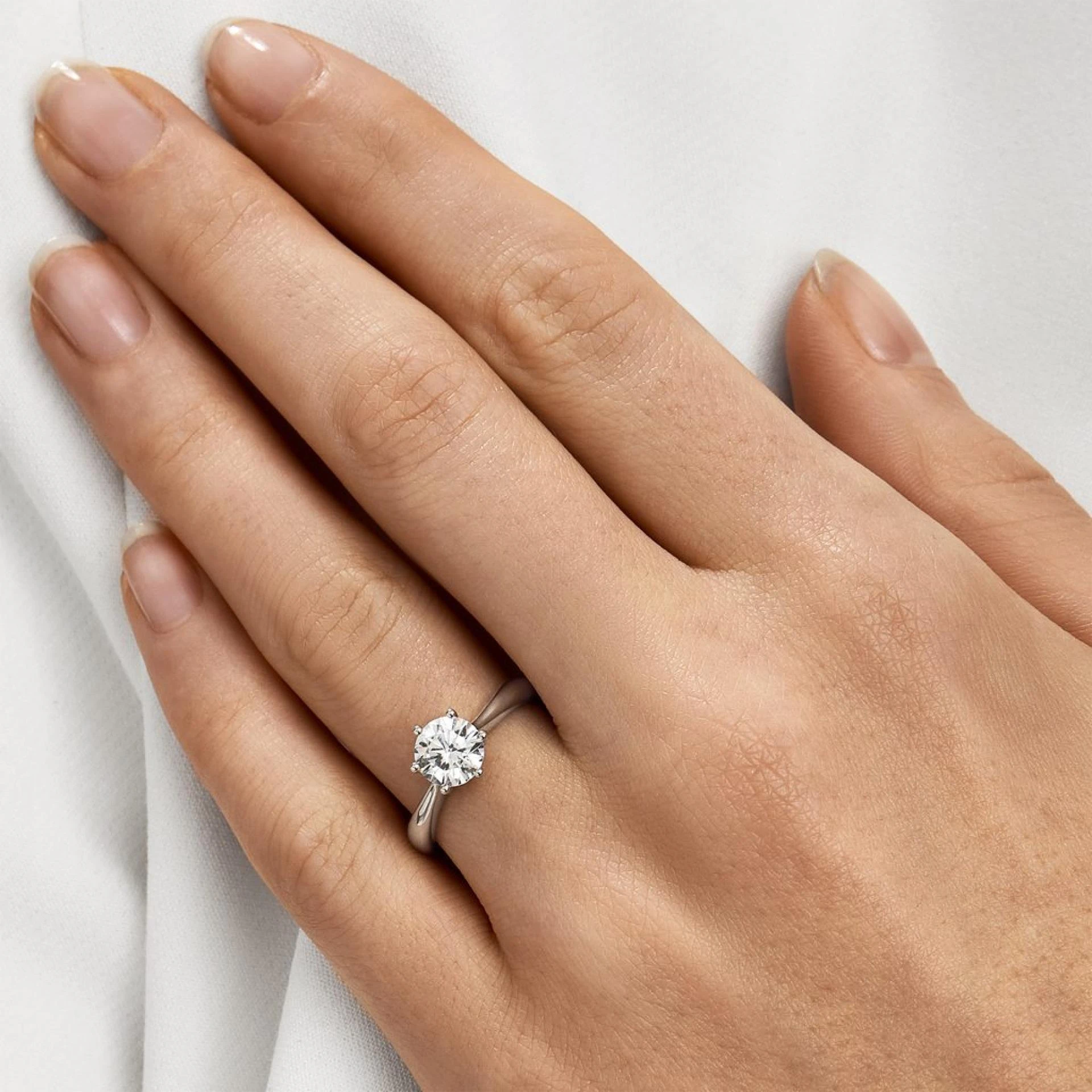
A classic four- or six-prong setting is often chosen for solitaire rings because it keeps the center diamond visually prominent.
Consider the Metal
The metal you choose can change the overall appearance of your ring.
White gold and platinum can create a clean, contemporary look and complement colorless-looking diamonds.
Yellow gold provides a warm, traditional appearance and creates an attractive contrast with the diamond.
Rose gold has a softer, romantic appearance and can give a solitaire ring a distinctive look.
When choosing a metal, think about your everyday jewelry style as well as the appearance of the diamond.
Think About the Ring Size and Comfort
A beautiful ring still needs to be comfortable enough for everyday wear.
Before ordering, make sure you know the correct ring size. If possible, have your finger professionally measured.
Also consider the band's width and thickness. A very thin band may create a delicate look, while a wider band can feel more substantial.
If you plan to wear the engagement ring with a wedding band, consider how the two rings will sit together.
Compare More Than One Diamond
Don't buy the first lab grown diamond that meets your basic requirements.
Compare several options based on:
- Diamond shape
- Cut quality
- Carat weight
- Color
- Clarity
- Measurements
- Certification
- Price
- Overall appearance
Two diamonds with similar grades can look noticeably different. Comparing multiple stones can help you find the best balance between specifications, appearance, and price.
Ask About Returns, Warranty, and Resizing
Before completing your purchase, understand the seller's policies.
Check whether the ring can be resized, what the return period is, and whether the purchase includes a warranty or maintenance service.
It's also worth asking about future cleaning and inspection services, particularly if you plan to wear the ring every day.
These details may not seem important when you are shopping, but they can become valuable after your purchase.
Lab Grown Diamond Solitaire Rings Can Be a Smart Choice
A solitaire ring is all about the center diamond. That makes choosing the right stone more important than adding unnecessary design elements.
A lab grown diamond solitaire ring can offer a classic engagement-ring appearance while giving buyers more flexibility with their budget. The key is to look beyond the price and consider the diamond's cut, shape, proportions, certification, setting, and overall appearance.
Take your time, compare different stones, understand the 4Cs, and choose a ring that fits both your style and your budget.
The best solitaire ring isn't necessarily the one with the biggest diamond. It's the one that looks beautiful to you and feels right for the person who will wear it every day.
Frequently Asked Questions
Are lab grown diamond solitaire rings real diamonds?
Yes. Lab grown diamonds are diamonds with essentially the same chemical composition, crystal structure, and physical properties as natural diamonds. The primary difference is how they are formed.
Are lab grown diamonds good for engagement rings?
Yes. Diamonds are durable and suitable for everyday jewelry, and lab grown diamonds can be used in the same types of engagement-ring settings as natural diamonds.
Are lab grown diamond solitaire rings cheaper?
Generally, lab grown diamonds cost less than comparable natural diamonds. The exact price depends on factors such as carat weight, cut, color, clarity, shape, and certification.
What is the best shape for a solitaire engagement ring?
Round, oval, cushion, emerald, pear, and marquise are all popular choices. The best shape depends on your personal style and the look you want from the ring.
Should I prioritize cut or carat?
For many buyers, prioritizing a good cut can be more beneficial than simply choosing the largest possible carat weight. A well-cut diamond can have strong brilliance and visual appeal.

















Sign in to leave a comment.