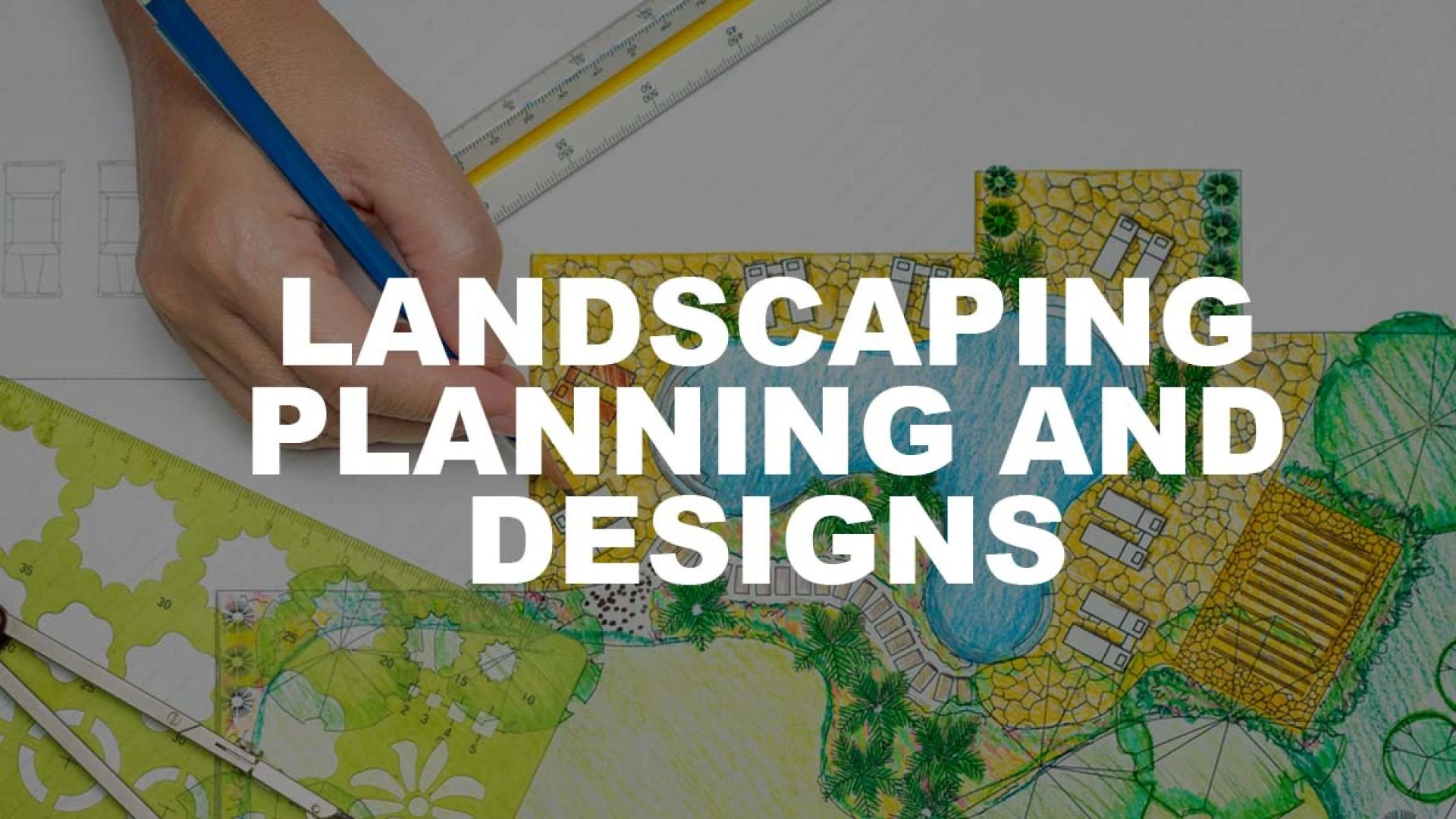

Are you looking to enhance the beauty and value of your property? If so, investing in a well-designed landscape could be the solution you need. Landscaping is essential for a beautiful outdoor space. Getting the results you want requires careful planning and design. Consequently, careful planning and design are vital to creating a peaceful retreat, a vibrant garden, or an inviting outdoor living area.
Begin with the End in Mind
To start with, consider the purpose of your outdoor space. In addition, you can design your landscaping features once you know what you want.
Why plan and design your landscaping?
Relaxation: A peaceful outdoor space can provide a calming escape from the stresses of everyday life.Entertainment for guests: It provides an inviting setting for guests to mingle and enjoy the fresh air and scenery.Family fun: They offer a safe and fun environment for children to explore and play.Gardening: A garden can thrive in an outdoor space. Exercise and fitness: The fresh air and natural surroundings provide a refreshing and uplifting environment for physical activity.Creative expression: It provides a peaceful and inspiring environment for creative endeavors.Sustainability: Installing rain gardens, composting areas, and solar-powered lighting reduces your environmental impact and promotes eco-friendliness.Work and productivity: Working outside can boost productivity.Zoning in on Your Yard
Identifying the different areas of your yard is the next step in landscaping planning and design because it helps you understand your outdoor space's unique characteristics and potential. Furthermore, by identifying the different areas, you can create a functional and aesthetically pleasing design that meets your needs and reflects your style. Here are steps you can take to assess the spaces of your yard.
Step 1: Take a walk around your home and note existing features such as trees, gardens, and patios.Step 2: Divide your yard into different zones, such as a patio area, lawn area, and garden area.Step 3: Consider the sun and shade patterns in your yard throughout the day. Note areas that receive full sun, partial shade, or full shade.Step 4: Identify any areas that are particularly damp or dry. These areas especially require specific landscaping solutions.Step 5: Evaluate any existing structures in your yard, such as sheds, fences, and walls. Incorporate these structures into your landscaping.Step 6: Note any views you want to preserve or enhance, such as a scenic vista or a particular garden feature.Step 7: Think about how you want to use your yard. It will help you determine the types of landscaping features that will work best in each area.Step 8: Determine the amount of maintenance you are willing to do. Step 9: Assess the size and scale of your yard. Step 10: Find inspiration from landscaping books, magazines, and online resources. It can help you envision your yard and find the best spots for landscaping.Greenery Galore
Landscaping can turn an outdoor space into a beautiful, functional space that matches your style. However, you must also consider your landscaping features to create a successful plan. Landscaping features can include
Trees: Trees can provide shade, privacy, and visual interest in your outdoor space. Shrubs: Use shrubs to create hedges, borders, and foundation plantings. Flowers: Choose flowers that bloom at different times to ensure a continuous display of color.Paving the Way
When planning and designing your outdoor space, it's important to consider the hardscaping elements. Moreover, hardscaping elements are essential to creating a functional, attractive outdoor space that meets your needs and preferences.
Patios: Provide a functional and attractive outdoor living room and entertainment area. Walkways: Connect different areas of your outdoor space and can be used to define borders and pathways. Garden structures: Pergolas, gazebos, and arbors can provide shade and privacy or enhance your landscape design.Water features: Fountains or ponds can add a soothing and relaxing element to your outdoor space. Outdoor kitchen: A place to cook and eat outside. Fire pits: Fire pits allow a warm and inviting area for relaxation and socializing in your outdoor space. Lighting: Outdoor lighting can improve the look of your outdoor space and enable you to use it later in the day. Edging: Edging can define borders and pathways in your outdoor space.Personal Outdoor Oasis
Aesthetics and style are also crucial considerations in landscaping planning and design. As a result, the procedure will reflect the property owner's preferences and create a cohesive and harmonious look. It includes:
Selecting colors, textures, and materials that complement each other and the architecture of the building. Creating a sense of balance and unity through the design, such as using repetition or contrast to create visual interest.Add a Professional Touch
Once your landscaping plan is in place, it's time to implement it. Consider working with a professional landscaper to help bring your vision to life. Experts like the residential landscape design in Cypress, TX, can guide you in plant selection, layout, and other vital details to ensure your landscaping project is successful.
From Dreams to Reality
Landscaping planning and design are essential to creating a beautiful outdoor space that reflects your personality and style. Whether a green thumb or a beginner, a well-planned landscape can transform your yard into a stunning oasis. Time to get your hands dirty, so grab your gardening tools, roll up your sleeves, and work on the backyard oasis of your dreams. With a trusted landscape service provider, your garden can become a work of art with a bit of creativity and planning.










Sign in to leave a comment.