
Langtang Circuit Trek
Unveiling the Secrets of the Langtang Circuit Trek: A Journey to the Heart of the Himalayas
Welcome to the Langtang Circuit Trek, an extraordinary adventure that takes you deep into the heart of the majestic Himalayas. As you step foot on this pristine trail, get ready to be captivated by breathtaking landscapes, serene mountain villages, and rich cultural heritage.
Our journey starts in the Langtang Valley, nestled amidst snow-capped peaks and surrounded by lush forests. Explore the terraced fields, quaint teahouses, and friendly locals as you make your way towards the Langtang National Park, home to rare wildlife and panoramic vistas.
The Langtang Circuit Trek offers a unique blend of natural beauty and cultural immersion. Encounter ancient monasteries, where the chants of Buddhist monks fill the air, and witness traditional Tamang and Sherpa cultures firsthand. Each step you take brings you closer to the secrets of this hidden gem.
Prepare to be awestruck as you ascend to Tserko Ri, a vantage point that rewards you with a panoramic view of Langtang Lirung, Dorje Lakpa, and other towering peaks. Feel your senses come alive as you witness the raw power and beauty of the Himalayas.
Join us on this soul-stirring adventure and uncover the secrets of the Langtang Circuit Trek—a journey that will leave an indelible mark on your heart and soul.
Overview of the Langtang region
Nestled in the central part of Nepal, the Langtang region is a trekker's paradise. With its close proximity to Kathmandu, it offers a convenient escape into the lap of nature. The Langtang Valley, the focal point of the trek, is surrounded by towering peaks, including Langtang Lirung, Gang Chhenpo, and Dorje Lakpa.
The Langtang Valley is also known for its rich biodiversity. The region is home to rare wildlife, such as the elusive red panda, Himalayan tahr, and musk deer. Langtang National Park, established in 1976, covers an area of 1,710 square kilometers and protects this unique ecosystem.
Trekking in the Langtang region not only allows you to immerse yourself in the natural beauty of the Himalayas but also gives you a glimpse into the local way of life. The Tamang and Sherpa communities, with their warm hospitality and vibrant cultures, welcome trekkers with open arms.
Trekking route and itinerary
The Langtang Circuit Trek typically begins in Syabrubesi, a small village located at an altitude of 1,460 meters. From here, the trail gradually ascends through lush forests, crossing suspension bridges and passing through rustic settlements. The route takes trekkers through Langtang Village, Kyanjin Gompa, and Tserko Ri before circling back to Syabrubesi.
The first leg of the trek takes you from Syabrubesi to Lama Hotel, a journey of approximately 6-7 hours. The trail follows the Langtang River, offering glimpses of waterfalls and terraced fields along the way. Lama Hotel, situated at an elevation of 2,470 meters, provides a comfortable resting point for trekkers.
From Lama Hotel, the trek continues to Langtang Village, which lies at an altitude of 3,430 meters. The trail passes through dense forests, where you may spot wildlife such as langur monkeys and Himalayan black bears. Langtang Village is inhabited by the Tamang people, who have a rich cultural heritage and are known for their traditional crafts and warm hospitality.
The next destination is Kyanjin Gompa, a Buddhist monastery situated at an altitude of 3,870 meters. The trail takes you through yak pastures and offers stunning views of Langtang Lirung and other snow-capped peaks. Kyanjin Gompa is a perfect place to acclimatize and explore the surrounding mountains.
From Kyanjin Gompa, trekkers can embark on an optional hike to Tserko Ri, a vantage point that offers breathtaking panoramic views. The ascent to Tserko Ri, at an elevation of 4,984 meters, is challenging but rewarding. The magnificent vistas of the Langtang range, including Langtang Lirung, Dorje Lakpa, and Shishapangma, make it a highlight of the trek.
After experiencing the beauty of Tserko Ri, the trek retraces its steps back to Syabrubesi, completing the Langtang Circuit. The return journey allows trekkers to appreciate the landscapes from a different perspective and bid farewell to the mountains with a sense of fulfillment.
Highlights of the Langtang Circuit Trek
The Langtang Circuit Trek is filled with awe-inspiring highlights that make it a truly unforgettable experience. Here are some of the key highlights you can expect along the way:
Langtang Valley: Immerse yourself in the natural beauty of the Langtang Valley, with its pristine landscapes, snow-capped peaks, and glistening glaciers.
Langtang National Park: Explore the biodiversity of Langtang National Park, home to rare wildlife such as the red panda, Himalayan tahr, and musk deer.
Ancient monasteries: Encounter ancient monasteries along the trek, where you can witness Buddhist rituals and soak in the spiritual ambiance.
Tamang and Sherpa cultures: Interact with the local Tamang and Sherpa communities, learn about their unique traditions, and savor their warm hospitality.
Tserko Ri: Ascend to Tserko Ri and be rewarded with a 360-degree view of the Langtang range, including Langtang Lirung, Dorje Lakpa, and Shishapangma.
Scenic landscapes: Marvel at the diverse landscapes, from lush forests and terraced fields to rugged mountain trails and glacial moraines.
Teahouse experience: Stay in cozy teahouses along the trek, where you can enjoy warm meals, connect with fellow trekkers, and hear fascinating stories.
Stunning sunrise and sunset: Witness breathtaking sunrises and sunsets over the Himalayas, painting the sky with hues of gold, pink, and orange.
The Langtang Circuit Trek promises a sensory overload of natural beauty, cultural encounters, and personal achievements. It is a journey that will leave you with memories to cherish for a lifetime.
Best time to visit Langtang and weather conditions
The best time to embark on the Langtang Circuit Trek is during the spring (March to May) and autumn (September to November) seasons. These months offer the most favorable weather conditions, with clear skies, mild temperatures, and stable trekking conditions.
During spring, the Langtang region comes alive with colorful rhododendron blooms, adding a vibrant touch to the landscapes. The weather is generally warm during the day, but temperatures can drop significantly at higher altitudes, so it is essential to pack warm clothing.
Autumn is another excellent time to visit Langtang, as the weather remains dry and stable. The skies are usually clear, providing unobstructed views of the mountains. The days are pleasant, with temperatures ranging from mild to cool, making it ideal for trekking.
Winter (December to February) brings cold temperatures and occasional snowfall to the Langtang region. While the scenery is enchanting, trekking during this season can be challenging due to icy trails and sub-zero temperatures. However, for experienced trekkers seeking a unique adventure, winter trekking in Langtang can be rewarding.
Summer (June to August) is the monsoon season in Nepal, and the Langtang region receives heavy rainfall. The trails can be slippery and prone to landslides, making it less suitable for trekking. However, if you are prepared for wet conditions and enjoy the lush greenery of the monsoon season, you can still embark on the trek with proper precautions.
It is important to note that weather conditions in the mountains can change rapidly, and it is advisable to check the forecast and consult with local guides before starting the trek. Proper preparation and packing suitable clothing and equipment will ensure a comfortable and safe trekking experience.
Permits and regulations for trekking in the Langtang region
To trek in the Langtang region, you will need to obtain two permits: the Langtang National Park Entry Permit and the TIMS (Trekkers' Information Management System) card.
The Langtang National Park Entry Permit costs USD 30 for foreigners and NPR 1,500 for SAARC nationals. It can be obtained at the Nepal Tourism Board office or the Langtang National Park entrance gate in Dhunche or Syabrubesi.
The TIMS card is a mandatory document for all trekkers in Nepal. It costs USD 20 for individual trekkers and USD 10 for trekkers traveling in a group. You can obtain the TIMS card at the Nepal Tourism Board office in Kathmandu or the TIMS counter in Dhunche or Syabrubesi.
It is important to carry these permits with you at all times during the trek, as they may be checked at various checkpoints along the trail. Additionally, it is advisable to carry a valid identification document, such as a passport, as proof of identity.
Respecting the local culture and environment is crucial while trekking in the Langtang region. It is important to follow the guidelines set by the Langtang National Park authorities, such as not littering, not disturbing wildlife, and respecting local customs and traditions.
By obtaining the necessary permits and adhering to the regulations, you can enjoy a responsible and sustainable trekking experience in the Langtang region.
Physical fitness and preparation for the Langtang Circuit Trek
The Langtang Circuit Trek is a moderate-level trek that requires a certain level of physical fitness and preparation. While it does not involve any technical climbing, the trail includes steep ascents and descents, rocky paths, and high altitudes.
It is advisable to engage in regular physical exercise, such as hiking, jogging, or cycling, in the months leading up to the trek. This will help improve your cardiovascular endurance and leg strength, preparing you for the demands of the trail.
Altitude acclimatization is crucial for a safe and enjoyable trek. It is recommended to spend a few days in Kathmandu or nearby areas before starting the trek, allowing your body to adjust to the higher altitudes gradually.
Carrying a well-fitted backpack is essential for a comfortable trekking experience. Pack lightweight and essential items, such as clothing layers, a sleeping bag, toiletries, a first aid kit, and snacks. It is advisable to pack a sturdy pair of trekking boots and carry a walking stick for added stability.
Drinking plenty of water and staying hydrated is important throughout the trek. It is recommended to carry water purification tablets or a water filter, as bottled water may not be readily available along the trail.
It is also advisable to consult with a healthcare professional or travel clinic before embarking on the Langtang Circuit Trek. They can provide guidance on necessary vaccinations, medications, and health precautions to take while trekking in Nepal.
By preparing physically and mentally for the trek, you can ensure a smooth and enjoyable journey through the Langtang region.
Accommodation and facilities along the trek
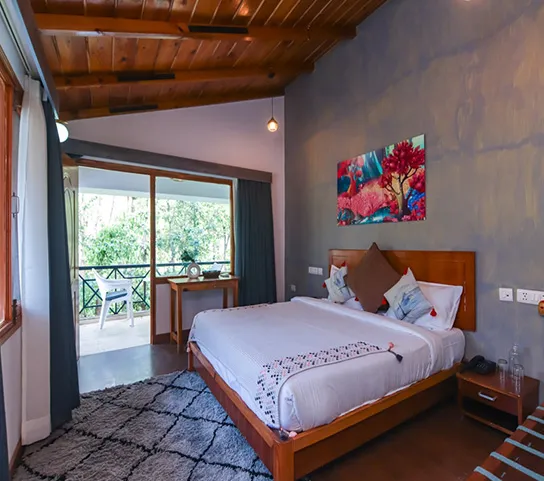
The Langtang Circuit Trek offers a range of accommodation options, mainly in the form of teahouses or guesthouses. Teahouses are basic yet comfortable lodges that provide meals, accommodation, and hot showers for trekkers.
The teahouses along the trek are run by local families and offer a warm and welcoming atmosphere. The rooms are usually shared, with basic amenities such as beds, blankets, and pillows. While the facilities may be simple, they provide a cozy and comfortable resting place after a day of trekking.
Most teahouses offer a menu of local and international dishes, providing trekkers with a variety of options. Dal Bhat, a traditional Nepali meal consisting of rice, lentils, vegetables, and pickles, is a popular choice among trekkers due to its nutritional value and energy-boosting properties.
Hot showers are available in most teahouses for an additional fee. However, it is important to note that the availability of hot water may be limited, especially at higher altitudes. It is advisable to carry wet wipes or a small towel for personal hygiene.
Electricity is available in some teahouses, usually through solar power or generators. However, it may be limited and available only during specific hours. It is advisable to carry a portable power bank or spare batteries for charging electronic devices.
Throughout the trek, it is important to respect the limited resources and conserve energy. Using reusable water bottles, minimizing waste, and being mindful of electricity usage are simple ways to contribute to sustainable tourism practices.
Safety precautions and tips for a successful trek
Trekking in the Langtang region requires careful planning and adherence to safety precautions. Here are some tips to ensure a safe and successful trek:
Hire a local guide: Consider hiring a local guide or joining a guided trekking group. They have extensive knowledge of the region, can navigate the trails with ease, and provide valuable insights into the local culture and environment.
Acclimatize properly: Take sufficient time to acclimatize at higher altitudes. Ascend gradually, allowing your body to adjust to the reduced oxygen levels. If you experience symptoms of altitude sickness, such as headache, nausea, or dizziness, descend to a lower altitude immediately.
Stay hydrated: Drink plenty of water throughout the trek to prevent dehydration. Carry a reusable water bottle and refill it at teahouses or use water purification tablets or a filter for safe drinking water.
Dress appropriately: Layer your clothing to adapt to changing weather conditions. Carry warm clothing, including a down jacket, hat, gloves, and thermal layers, as temperatures can drop significantly at higher altitudes.
Pack a first aid kit: Carry a basic first aid kit with essential medications, bandages, and antiseptic creams. It is also advisable to carry a personal medical kit with any necessary prescriptions.
Follow trail markers: The Langtang Circuit Trek is well-marked with trail signs and markers. Pay attention to these markers to ensure you stay on the designated trail.
Be cautious on the trails: The trails in the Langtang region can be rocky and uneven. Take care while walking and use trekking poles for added stability, especially during ascents and descents.
Respect local customs: Observe and respect the local customs and traditions of the Tamang and Sherpa communities. Seek permission before taking photographs of individuals or religious sites, and avoid touching or disturbing religious artifacts.
Stay updated on weather conditions: Keep track of weather forecasts and be prepared for changing weather conditions. Carry appropriate gear, such as a waterproof jacket and pants, to protect yourself from rain or snow.
Notify someone of your plans: Inform a family member, friend, or your trekking guide about your trekking plans, including your itinerary and expected return date. This will ensure that someone is aware of your whereabouts in case of an emergency.
By following these safety precautions and tips, you can have a safe and enjoyable trekking experience in the Langtang region.
Conclusion: Why the Langtang Circuit Trek is a must-do for adventure seekers
The Langtang Circuit Trek offers a unique blend of natural beauty, cultural immersion, and personal growth. From lush valleys and snow-capped peaks to ancient monasteries and warm hospitality, every step of the trek reveals a hidden secret waiting to be uncovered.
Embarking on this soul-stirring journey allows you to disconnect from the chaos of everyday life and reconnect with nature and yourself. The Langtang region, with its pristine landscapes and serene mountain villages, offers a sanctuary for adventure seekers and nature lovers alike.
As you ascend to Tserko Ri and witness the panoramic view of the Langtang range, you will be overcome with a sense of awe and gratitude. The raw power and beauty of the Himalayas will leave an indelible mark on your heart and soul.
The Langtang Circuit Trek is not just a trek; it is a transformative experience—one that challenges your limits, broadens your horizons, and strengthens your spirit. It is an adventure that will stay with you long after you have left the mountains behind.
There are many other trekking program in Langtang Region and some of them are Short Langtang Trekking, Langtang Gosaikunda Trek, Tamang Heritage Trek, Langtang Valley Trekking and Helambu Valley Trek.




















Sign in to leave a comment.