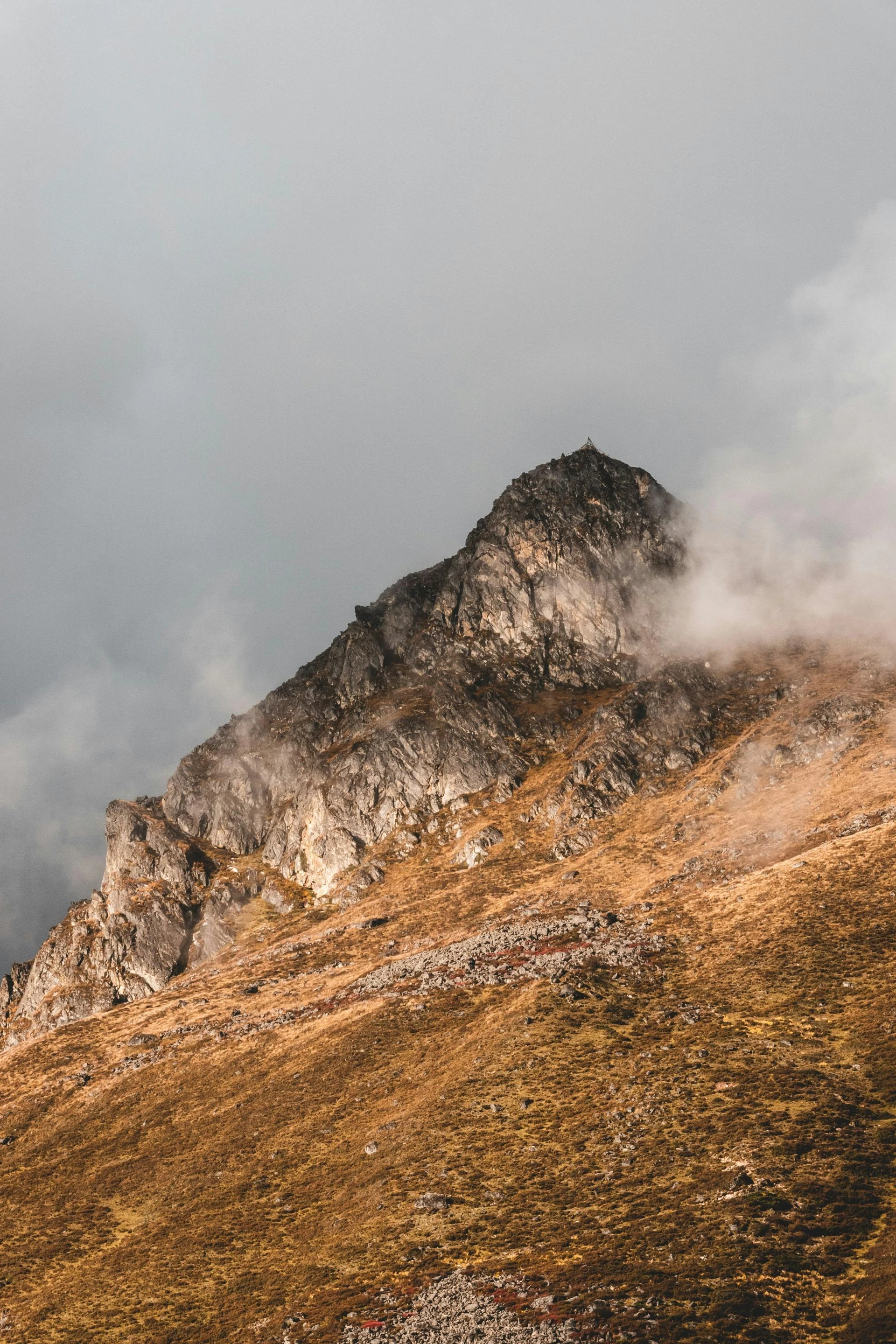

A treasure among Nepal's trekking destinations, the Langtang Valley Trek provides a close-up view of the natural splendor of the Himalayas and the distinctive culture of the Tamang and Sherpa peoples. This journey, which is only a few hours north of Kathmandu, is sometimes disregarded in favor of the more well-known Everest and Annapurna treks, but it offers an equally exciting experience with less people and more seclusion. This is a comprehensive reference to Langtang Valley exploration in 2025.
Overview of the Langtang Valley
The first Himalayan national park created in Nepal, Langtang National Park, is home to Langtang Valley. This hike is well-known for its abundant biodiversity, breathtaking mountain views, and ease of access. The monasteries, prayer flags, and people' way of life all reflect the Tibetan traditions that have influenced the valley's cultural depth due to its border with Tibet.
The Schedule for the Trek
Depending on your pace and whether you remain longer in some communities for exploration or acclimatization, the duration usually ranges from 7 to 10 days.
Starting Point: From Kathmandu, it takes about seven to eight hours to drive to Syabrubesi, where the trek starts.
Itinerary
Day 1: Take a bus or vehicle from Kathmandu to Syabrubesi.
Day 2: Hike through rhododendron and bamboo forests from Syabrubesi to Lama Hotel.
Day 3: Travel from the Lama Hotel to Langtang Village, where you may observe the initial effects of the 2015 earthquake.
Day 4: Kyanjin Gompa, the trek's spiritual and cultural center, with views of Langtang Lirung, from Langtang Village.
Day 5: Kyanjin Gompa acclimatization day, with optional treks to Tserko Ri or Kyanjin Ri for sweeping vistas.
Day 6: Start your journey back to the Lama Hotel.
Day 7: Return to Syabrubesi from the Lama Hotel.
Day 8: Travel back to Kathmandu by car.
Highlights of the Trek Natural Beauty: See waterfalls, glaciers, and high-altitude lakes as you travel through a variety of ecosystems, from subtropical forests to alpine meadows.
Kyanjin Gompa: A tranquil settlement featuring an old monastery, a cheese industry, and stunning views of the Langtang mountain range.
A thrilling day walk from Kyanjin Gompa that provides a 360-degree vista of the Langtang peaks and beyond is Tserko Ri.
Immersion in Culture: Interact with the Tamang and Sherpa people, discover their Buddhist customs, and feel their gracious welcome.
Wildlife: The Himalayan black bear, endangered red panda, and several bird species can be found in Langtang National Park.
The Ideal Time to Go Trekking
Rhododendrons blossom in the spring (March to May), making for a colorful hike with clear skies for views of the mountains.
Because of the consistent weather, unobstructed views, and comfortable temperatures, autumn (September to November) is the most popular season.
Winter (December to February): Colder temperatures, less crowds, and the potential for snow.
Rain makes the monsoon season (June to August) less than ideal, but it is still possible if you are ready for rainy weather and leeches.
The Challenge of Trekking
Moderate is the grade. Ideal for people with a basic level of fitness, while altitude may play a role. Tserko Ri, the highest peak, is roughly 5,000 meters above sea level.
Altitude: Acclimatization days are essential, particularly prior to trying higher elevations such as Tserko Ri.
Permits needed for preparation and practical information include a Trekkers' Information Management System (TIMS) card and an entry permit for Langtang National Park.
Accommodations: Simple but cozy accomodation is available at teahouses along the route. It's best to make reservations in advance during busy periods.
Porters and Guides: Although not required until new rules, hiring local guides is advised for safety and cultural awareness. Foreign hikers are required to have a guide as of 2023.
Equipment: Prepare for a range of weather conditions by bringing warm clothes for higher elevations, sturdy hiking boots, and a cold-rated sleeping bag.
Respect for the Environment and Culture
Cultural Sensitivity: Be mindful of regional traditions, particularly in villages and monasteries. Show your support by purchasing locally produced goods and staying in teahouses.
Setting: Adhere to the Leave No Trace philosophy. Being an environmentally conscientious hiker is essential because the region is still recovering from the 2015 earthquake.
In conclusion
The Langtang Valley Trek is a captivating voyage through one of Nepal's less visited areas, where the hospitality of the locals enhances the experience and the quiet of the mountains speaks for itself. It's an adventure that tests your limits, revitalizes you, and helps you connect with the Himalayan culture and environment. Langtang Valley provides a less-traveled but incredibly rewarding route, whether your goals are spiritual contemplation, solitude, or just the thrill of trekking in the majesty of nature. Remember that the trek through Langtang's valleys, villages, and people's hearts is equally as important as achieving its summits.























Sign in to leave a comment.