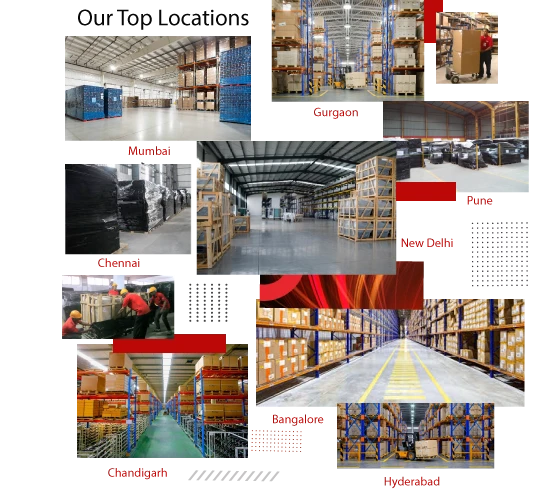
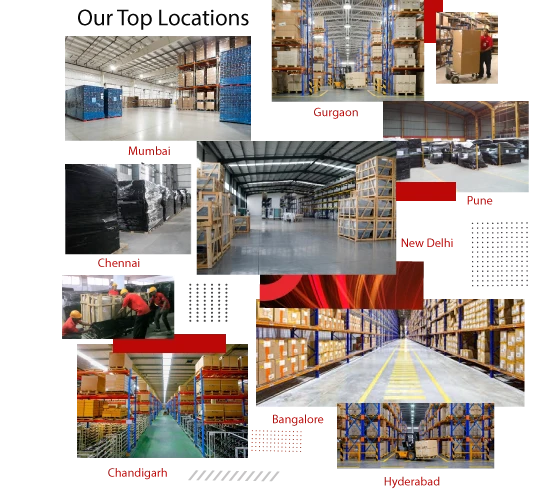
Large Warehouse Storage plays a vital role in today’s fast-paced supply chain ecosystem. With the rapid growth of e-commerce, manufacturing, and retail industries, businesses require efficient and scalable storage solutions to manage inventory, streamline operations, and meet customer demands. A well-organized warehouse not only ensures smooth logistics but also enhances productivity and profitability.
What is Large Warehouse Storage?
Large warehouse storage refers to spacious facilities designed to store goods in bulk quantities. These warehouses are equipped with advanced storage systems such as pallet racks, shelving units, and automated storage solutions to handle high volumes of inventory. They are commonly used by manufacturers, distributors, wholesalers, and e-commerce companies.
Key Features of Large Warehouse Storage
One of the defining features of large warehouses is their high storage capacity. These facilities are designed to accommodate thousands of products efficiently, often utilizing vertical space with multi-level racking systems.
Another important feature is advanced inventory management. Many warehouses use digital systems like barcode scanning and warehouse management software to track goods in real time. This reduces errors and improves operational efficiency.
Accessibility and organization are also crucial. Goods are systematically arranged to ensure easy retrieval and faster order fulfillment. Wide aisles, proper labeling, and designated storage zones help in minimizing delays.
Additionally, modern warehouses often include automation technologies, such as conveyor belts, robotic pickers, and automated guided vehicles (AGVs), which significantly enhance speed and accuracy.
Types of Warehouse Storage Systems
Large warehouses utilize various storage systems depending on the nature of goods:
- Pallet Racking Systems: Ideal for storing heavy goods in bulk. These systems allow forklifts to easily load and unload items.
- Shelving Systems: Suitable for smaller items and manual picking operations.
- Automated Storage and Retrieval Systems (AS/RS): These high-tech systems use robotics to store and retrieve goods with minimal human intervention.
- Cold Storage Warehouses: Used for perishable goods like food and pharmaceuticals that require temperature-controlled environments.
Benefits of Large Warehouse Storage
Investing in large warehouse storage offers numerous advantages. It improves inventory control, allowing businesses to monitor stock levels accurately and avoid overstocking or stockouts.
It also enhances operational efficiency by reducing handling time and streamlining logistics processes. With proper storage systems, businesses can fulfill orders quickly and improve customer satisfaction.
Another major benefit is cost-effectiveness. Although the initial setup may require significant investment, efficient storage solutions reduce long-term operational costs by minimizing waste and labor requirements.
Furthermore, large warehouses provide scalability, enabling businesses to expand their storage capacity as they grow without disrupting operations.
Choosing the Right Warehouse Storage Solution
Selecting the right warehouse depends on several factors, including the type of goods, storage requirements, location, and budget. Businesses should consider aspects such as security, accessibility, and proximity to transportation hubs.
It is also essential to evaluate the level of automation needed. While automated systems offer efficiency, they may require higher initial investment compared to traditional storage methods.
Conclusion
Large warehouse storage is a cornerstone of modern logistics and supply chain management. It enables businesses to store, manage, and distribute goods efficiently on a large scale. By investing in the right storage systems and technologies, companies can optimize operations, reduce costs, and stay competitive in today’s dynamic market.



























Sign in to leave a comment.