
Introduction
In the realm of modern dentistry, technological advancements have revolutionized the way dental procedures are performed. Among these innovations, laser technology stands out as a game-changer, offering precise and minimally invasive solutions for various dental treatments. In this comprehensive study, we delve into the world of laser-assisted dental procedures, comparing different types of lasers and their efficacy in dental practice.
Understanding Laser Dentistry
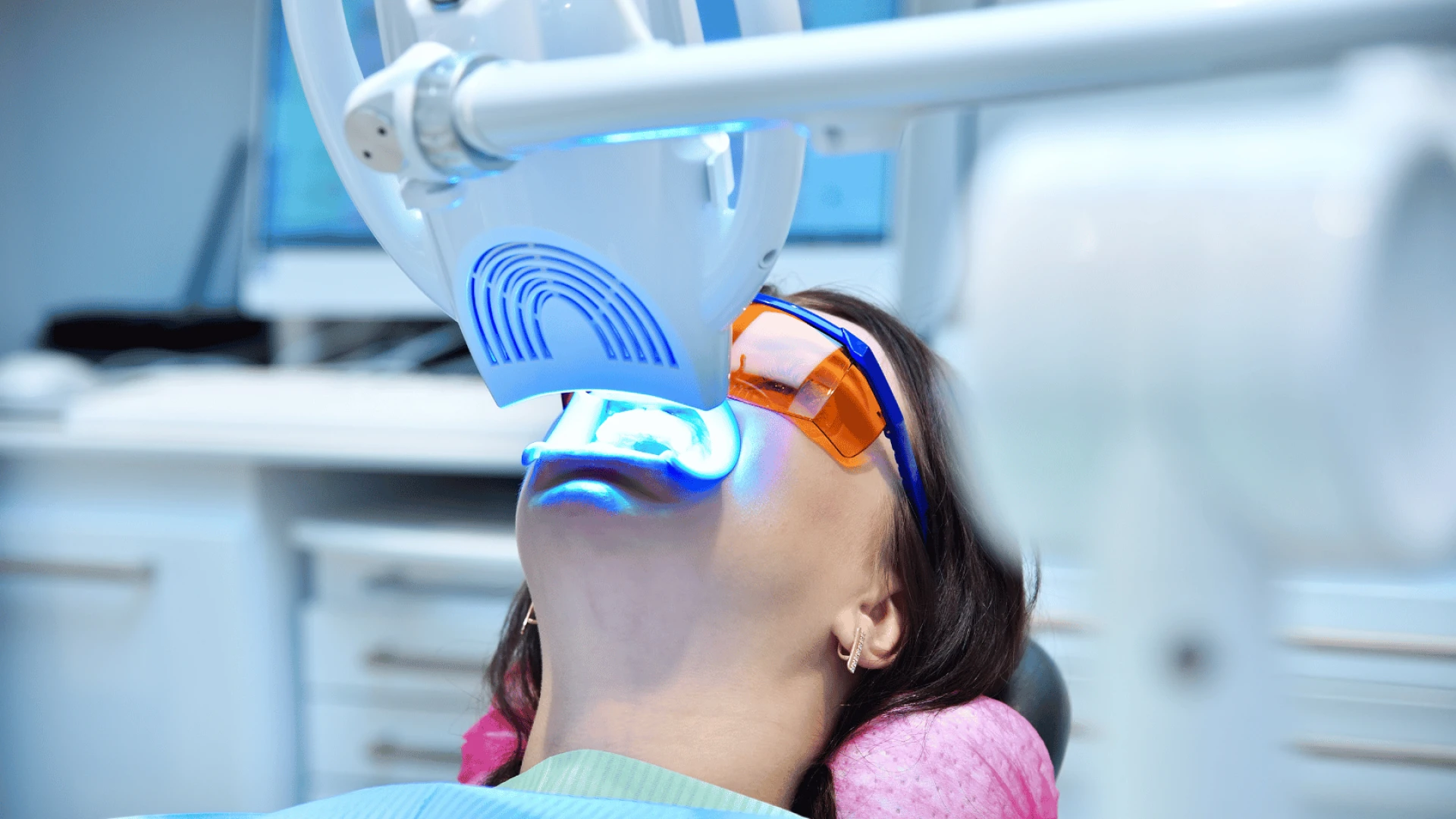
Laser dentistry involves the use of concentrated beams of light energy to perform a wide range of dental procedures with unparalleled precision. These lasers are highly versatile, capable of addressing issues ranging from gum disease treatment to cavity preparation and teeth whitening. Unlike traditional dental tools, lasers minimize discomfort, reduce bleeding, and promote faster healing, making them increasingly popular among patients and practitioners alike.
Types of Dental Lasers
1. Diode Lasers:
Diode lasers are among the most commonly used in dental practices. They are highly effective for soft tissue procedures such as gum contouring, frenectomy, and treatment of oral lesions. Diode lasers operate at specific wavelengths that are well-absorbed by hemoglobin and melanin, allowing for precise tissue ablation while minimizing damage to surrounding areas.
2. Erbium Lasers:
Erbium lasers are versatile tools suitable for both hard and soft tissue applications. They are particularly useful for procedures such as cavity preparation, root canal disinfection, and crown lengthening. Erbium lasers operate at wavelengths absorbed by water and hydroxyapatite, making them ideal for precise ablation of dental tissues with minimal thermal damage.
3. Carbon Dioxide (CO2) Lasers:
CO2 lasers are primarily used for soft tissue surgeries, including frenectomy, gingivectomy, and removal of oral tumors. These lasers emit a wavelength that is highly absorbed by water molecules, resulting in efficient tissue vaporization and hemostasis. CO2 lasers offer excellent precision and control, making them valuable tools in various dental procedures.
Comparative Analysis
When comparing different types of dental lasers, several factors come into play, including wavelength, tissue absorption, versatility, and cost-effectiveness. Each type of laser has its unique advantages and limitations, which must be carefully considered based on the specific requirements of the procedure and the patient\'s needs.
- Diode vs. Erbium Lasers: Diode lasers are preferred for soft tissue surgeries due to their excellent hemostatic properties and ease of use. However, erbium lasers offer greater versatility, allowing for precise ablation of both hard and soft tissues, making them suitable for a wider range of procedures.
- Erbium vs. CO2 Lasers: While erbium lasers are effective for both hard and soft tissue applications, CO2 lasers excel in soft tissue surgeries, particularly those requiring precise incisions and minimal thermal damage. CO2 lasers are preferred for delicate procedures such as mucosal surgeries and oral lesion removal.
Clinical Applications
1. Periodontal Therapy:
Laser-assisted periodontal therapy offers a minimally invasive alternative to traditional scaling and root planing. Diode lasers effectively remove diseased tissue and bacteria while promoting gum tissue regeneration, leading to improved periodontal health and reduced pocket depths.
2. Cavity Preparation:
Erbium lasers are increasingly used for cavity preparation due to their precision and minimal invasiveness. These lasers remove decayed tissue while preserving healthy tooth structure, resulting in stronger and longer-lasting dental restorations.
3. Endodontic Procedures:
Erbium lasers play a crucial role in endodontic treatments by disinfecting root canals and removing infected tissue. Their ability to penetrate deep into dentin ensures thorough cleaning and disinfection, reducing the risk of post-operative infections and improving treatment outcomes.
Diamond Dental Studio: A Pioneer in in San Diego
Diamond Dental Studio in San Diego is at the forefront of laser dentistry, offering advanced treatments utilizing state-of-the-art laser technology. With a team of experienced professionals and a commitment to patient-centric care, Diamond Dental Studio provides comprehensive dental services tailored to individual needs. Whether you require periodontal therapy, cavity treatment, or cosmetic procedures, our skilled dentists utilize the latest laser technology to ensure optimal results with minimal discomfort and downtime.
Conclusion
In conclusion, laser-assisted dental procedures represent a significant advancement in modern dentistry, offering unparalleled precision, minimal invasiveness, and faster recovery times compared to traditional methods. By understanding the characteristics and applications of different types of dental lasers, practitioners can tailor treatment plans to meet the unique needs of each patient, ensuring superior outcomes and patient satisfaction. As pioneers in laser dentistry, clinics like Diamond Dental Studio in San Diego continue to lead the way in providing innovative and effective dental care, ultimately improving oral health and quality of life for patients. Whether you\'re seeking periodontal therapy, cavity treatment, or cosmetic procedures, the utilization of laser dentistry in San Diego ensures optimal results with minimal discomfort and downtime.
FAQs (Frequently Asked Questions)
1. Is laser dentistry safe?
Yes, laser dentistry is considered safe when performed by trained professionals. Lasers offer precise control and minimize damage to surrounding tissues, resulting in safer and more comfortable dental procedures.
2. Are laser procedures more expensive than traditional methods?
While laser procedures may initially seem more expensive, they can ultimately save money by reducing the need for follow-up treatments and minimizing complications. Additionally, many patients find the benefits of laser dentistry, such as faster healing times, to be worth the investment.
3. Will I experience pain during laser dental procedures?
Laser dentistry is generally associated with less pain and discomfort compared to traditional methods. The laser\'s precise energy targets the treatment area, minimizing trauma to surrounding tissues and reducing the need for anesthesia in many cases.
4. How long does it take to recover from laser dental procedures?
Recovery times vary depending on the type of procedure and individual patient factors. However, many patients experience faster healing and less post-operative discomfort with laser dentistry compared to traditional methods.
5. Are there any risks associated with laser dentistry?
While laser dentistry is considered safe, there are some potential risks, including tissue damage if the laser is not used correctly and eye injury if proper protective measures are not taken. However, these risks are minimal when procedures are performed by experienced professionals using appropriate safety protocols.











Sign in to leave a comment.