Handling client funds responsibly is one of the most sensitive financial duties within a legal practice. Law Firm Trust Accounting ensures that client money is recorded accurately, safeguarded properly, and used only for authorized purposes.
Beyond regulatory compliance, effective trust accounting strengthens client confidence and protects law firms from financial errors and legal penalties. In this guide, we explain practical strategies for managing multiple client trust accounts efficiently and how technology can simplify complex accounting processes.
This article is designed for law firms of all sizes looking to improve accuracy, transparency, and compliance in managing client funds.
What You Will Learn From This Blog
This guide will help you understand:
- How Law Firm Trust Accounting works in daily legal operations
- Why proper management of client funds is essential
- Common difficulties law firms face when handling multiple trust accounts
- Practical methods to improve accuracy and organization
- How accounting software can streamline trust accounting tasks
What Is Law Firm Trust Accounting?
Law Firm Trust Accounting refers to managing funds that belong to clients but are temporarily held by a law firm. These funds may include retainers, settlement amounts, or advance payments meant for specific legal purposes.
A trust account must always remain separate from the firm’s operating account. This separation prevents misuse of client funds and ensures ethical compliance.
Key responsibilities include:
- Recording every deposit and withdrawal accurately
- Monitoring individual client balances
- Maintaining detailed documentation
- Ensuring transactions follow legal authorization
Strict oversight helps law firms maintain transparency and meet professional regulatory standards.
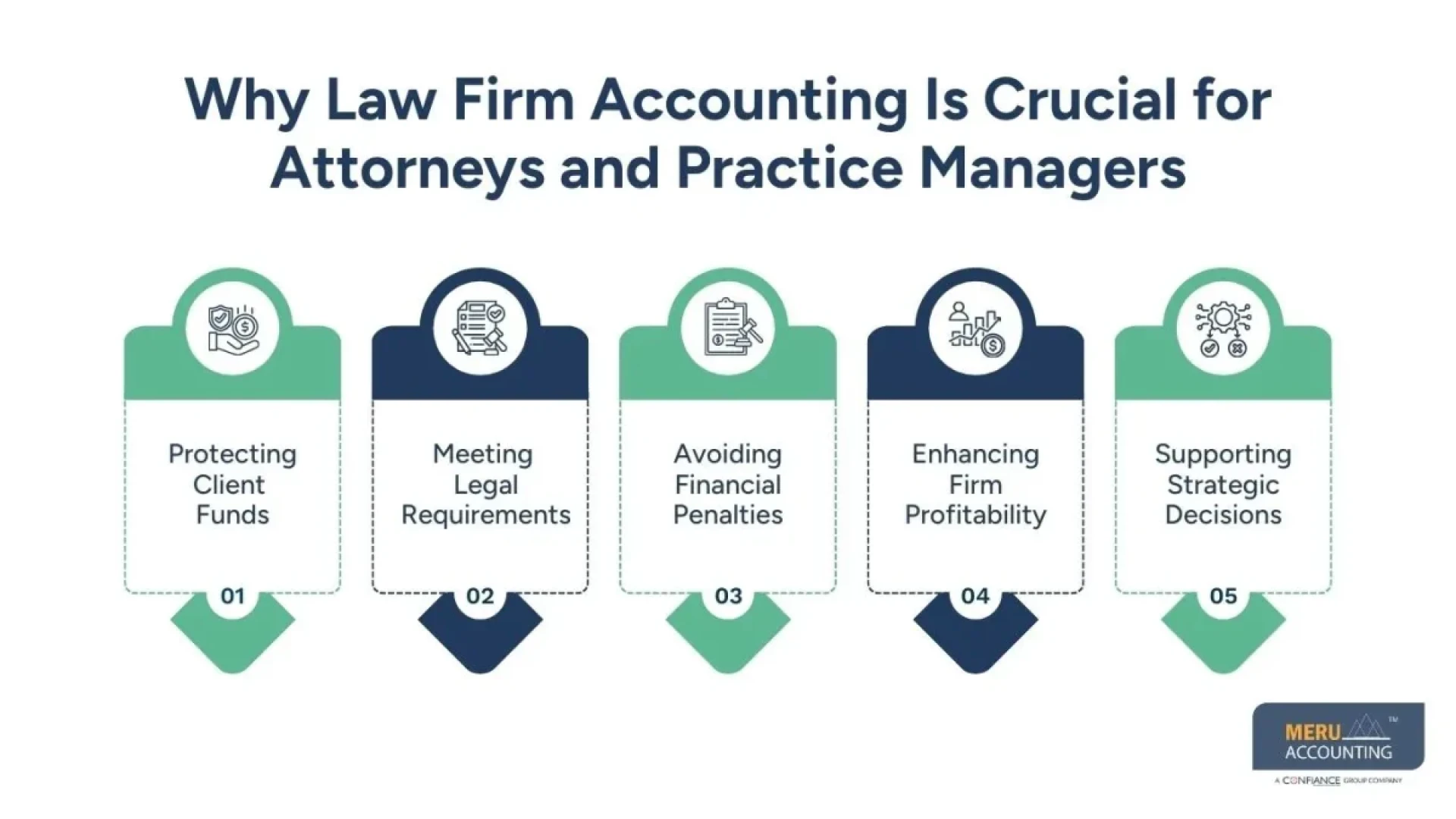
Why Proper Trust Accounting Matters in Legal Practice
Protection of Client Funds
Trust accounting safeguards client money and prevents accidental or unauthorized use.
Building Client Confidence
Accurate financial handling demonstrates professionalism and strengthens long-term relationships.
Regulatory Compliance
Bar associations enforce strict trust accounting rules. Proper systems help firms remain compliant.
Improved Financial Organization
Well-managed trust accounts simplify payment tracking and reimbursements.
Simplified Audits
Accurate records make audits smoother and reduce administrative stress.
Common Challenges When Managing Multiple Client Accounts
Large Transaction Volumes
Handling multiple clients increases the risk of recording errors or payment confusion.
Maintaining Accurate Documentation
Every transaction must be tracked precisely, which can be time-consuming without structured processes.
Retainer Tracking
Monitoring retainers across several clients requires consistent updates and attention.
Reconciliation Difficulties
Matching bank records with internal accounts can become complex when transactions increase.
Compliance Requirements
Different jurisdictions may impose unique trust accounting regulations.
Limited Staff Training
Inadequate understanding of trust accounting rules often leads to compliance risks.
Manual Accounting Errors
Manual processes increase the likelihood of data entry mistakes and inconsistencies.
Expert Strategies for Managing Multiple Client Accounts
Maintain Separate Client Accounts
Keeping funds segregated prevents confusion and improves transparency.
Create Standard Operating Procedures
Clear guidelines for deposits, withdrawals, and reporting ensure consistency.
Perform Regular Reconciliations
Frequent reconciliation helps detect discrepancies early.
Keep Detailed Transaction Records
Comprehensive documentation supports audits and client inquiries.
Conduct Internal Reviews
Periodic internal audits help identify issues before external inspections.
Use Trust Accounting Software
Technology reduces manual work and improves accuracy in Law Firm Trust Accounting.
Assign Dedicated Responsibility
Designating trained staff increases accountability and efficiency.
Provide Continuous Training
Regular education ensures staff stay updated with compliance requirements.
Monitor Client Balances Frequently
Routine balance checks help prevent overdrafts and compliance violations.
Core Principles of Law Firm Trust Accounting
Segregation of Funds
Client funds must never mix with firm operating finances.
Transparency
Clear reporting ensures clients understand how their funds are managed.
Accuracy
All financial entries should be recorded correctly and promptly.
Regulatory Compliance
Following legal standards protects firms from penalties.
Timely Reporting
Regular reporting maintains financial clarity and accountability.
How QuickBooks Supports Law Firm Trust Accounting
Automated Transaction Tracking
Automation reduces human errors and saves administrative time.
Client Fund Separation
Individual client accounts can be managed efficiently within the system.
Real-Time Financial Reporting
Law firms gain instant visibility into balances and transactions.
Simplified Reconciliation
Bank integrations streamline matching and verification processes.
Compliance Assistance
Organized records help firms meet trust accounting regulations and audit requirements.
Advanced Techniques for Efficient Trust Accounting
Batch Transaction Processing
Processing similar transactions together improves efficiency.
Custom Alerts
Notifications help identify unusual activities or potential overdrafts quickly.
Billing System Integration
Connecting accounting with billing tools ensures accurate financial updates.
Regular Client Statements
Providing periodic statements promotes transparency and trust.
Ongoing Staff Training
Well-trained teams maintain consistency and compliance in accounting practices.
How Meru Accounting Supports Law Firms
Specialized Trust Accounting Expertise
Meru Accounting provides services designed specifically for legal practices.
QuickBooks Implementation
We set up and optimize accounting systems for accurate client fund tracking.
Compliance Guidance
Our experts ensure adherence to trust accounting regulations.
Customized Accounting Solutions
Services are tailored to match firm size, workflow, and client volume.
Continuous Professional Support
Ongoing assistance ensures smooth financial management and compliance.
Key Takeaways
- Law Firm Trust Accounting is essential for protecting client funds and maintaining ethical standards.
- Managing multiple client accounts requires structured processes and accurate record-keeping.
- Automation tools help reduce errors and improve efficiency.
- Regular reconciliation and audits strengthen financial control.
- Professional accounting support helps law firms remain compliant and organized.


























Sign in to leave a comment.