
If you’re thinking about improving your outdoor space, laying artificial grass can be a smart move. It creates a clean, low-maintenance lawn that stays consistent throughout the year.
But getting the best results depends on how the process is handled from start to finish.
How Do You Prepare the Ground Before Laying Artificial Grass?
Preparation begins with removing the existing surface, including natural grass and debris.
The area is then leveled and compacted to create a smooth base. This step ensures the turf sits evenly and doesn’t shift over time.
What Base Is Needed for Artificial Grass?
A solid base layer is essential for stability and drainage. This is usually made from compacted materials that allow water to pass through while supporting the turf.
Without a proper base, the grass may sink or develop uneven spots.
How Is Artificial Grass Laid and Secured?
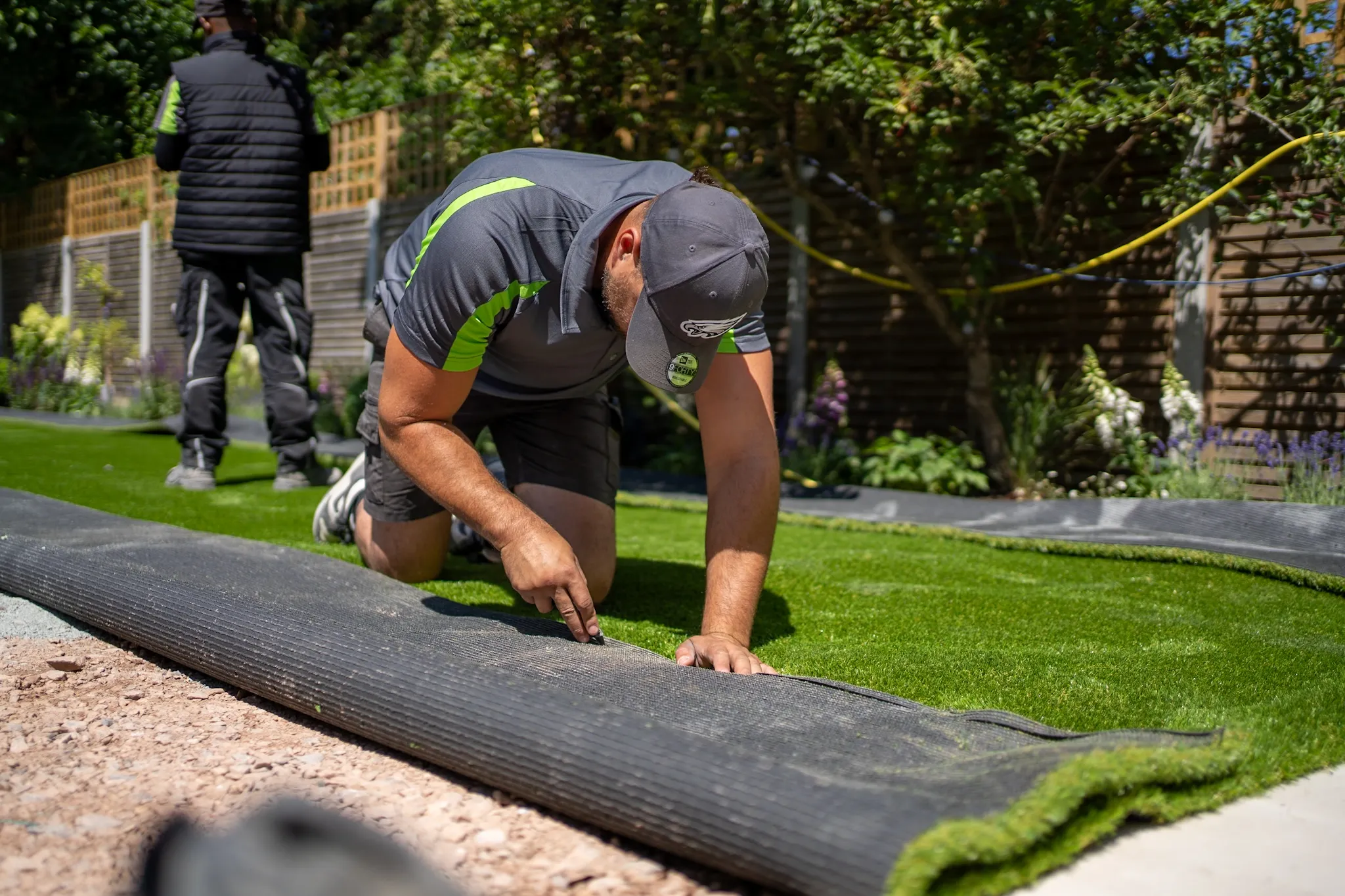
Once the base is ready, the turf is rolled out and positioned carefully. It’s then cut to fit the space, with special attention to edges and corners.
Seams are joined to create a continuous surface, and the turf is secured around the edges to keep it in place.
What Finishing Steps Improve the Final Look?
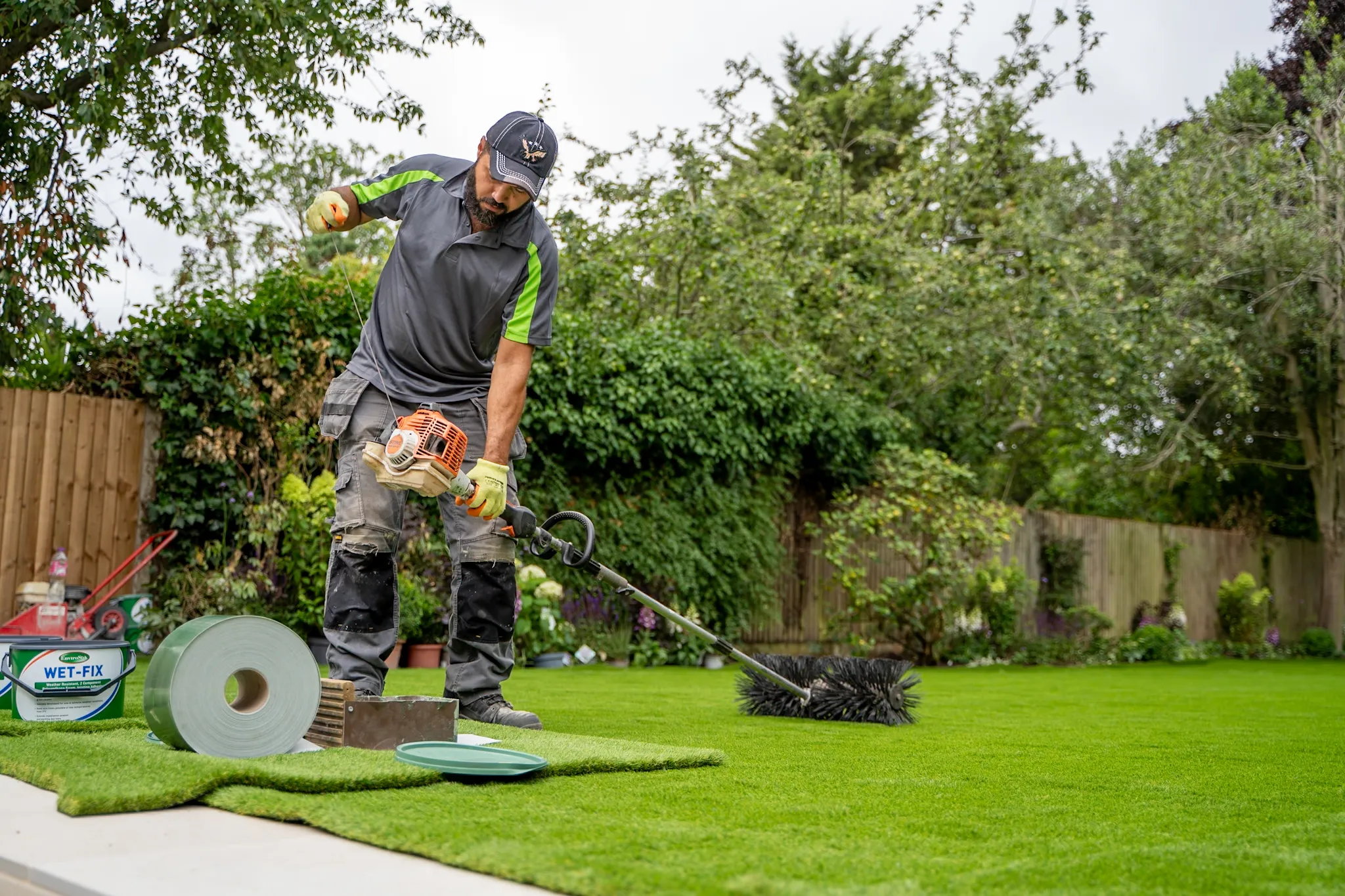
After the turf is laid, the fibres are brushed to help them stand upright. Infill material is added to improve durability and give the grass a more natural feel.
These finishing steps make a noticeable difference in both appearance and performance.
What Are Common Mistakes When Laying Artificial Grass?
Some of the most common issues come from poor preparation or rushed installation.
Skipping proper groundwork, using low-quality materials, or not securing the turf correctly can lead to long-term problems.
Taking the time to do each step properly helps avoid these issues.
Is Laying Artificial Grass Worth the Effort?
When done correctly, artificial grass offers a long-term solution that reduces maintenance and keeps your outdoor space looking clean.
It’s a practical upgrade for homeowners who want a reliable lawn without constant upkeep.




























Sign in to leave a comment.