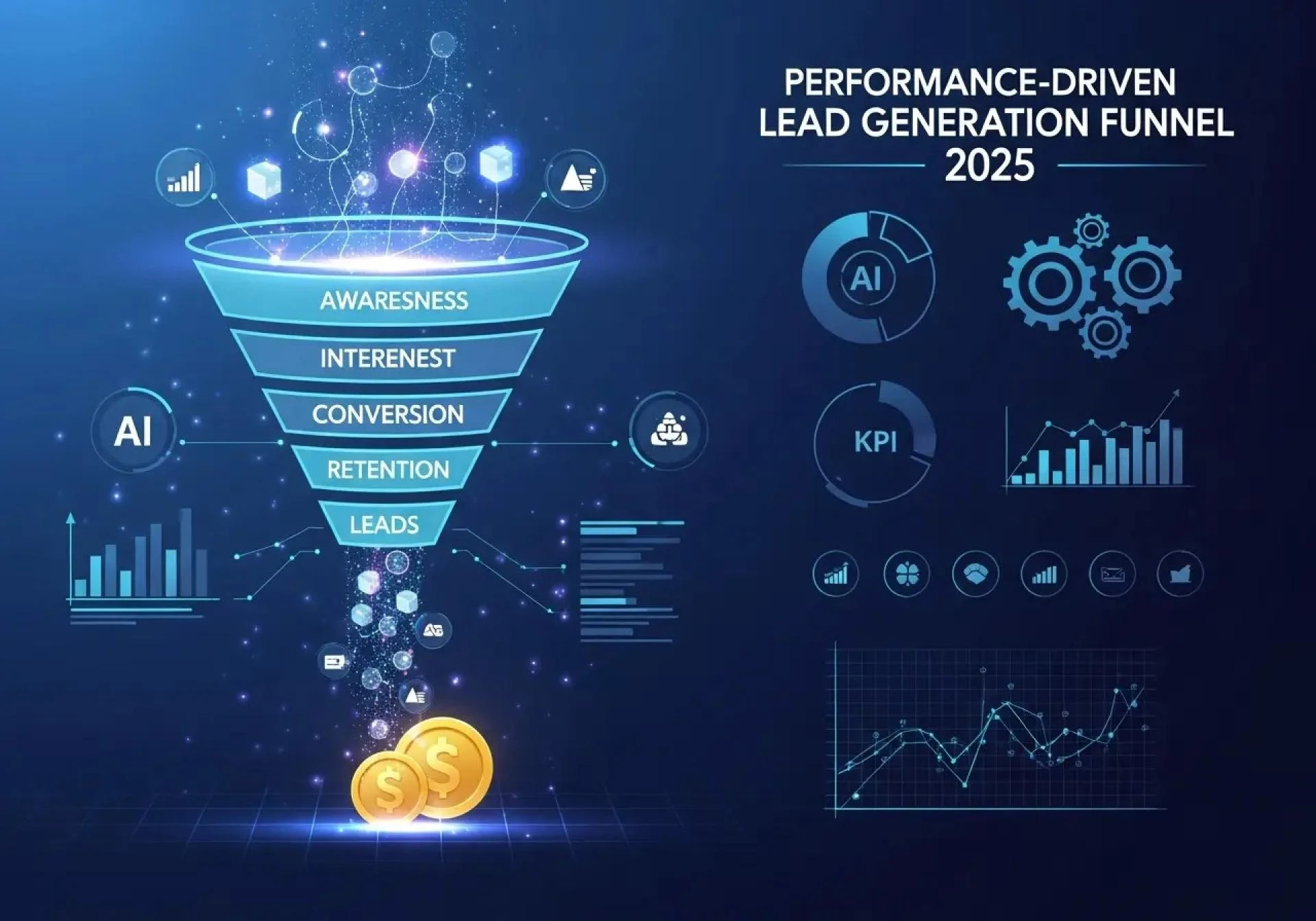

A lead generation funnel is one of the most essential frameworks for converting strangers into qualified, sales-ready prospects. Whether you’re a startup, mid-size business, or scaling enterprise, building a structured funnel helps you attract the right audience, nurture their interest, and guide them toward taking profitable action. In today’s competitive digital environment, a high-performing lead funnel isn’t optional—it's a necessity for predictable and sustainable business growth.
The funnel typically includes four major stages: Awareness, Interest, Decision, and Action. Each stage requires strategic planning, targeted messaging, and frictionless user experience to move leads smoothly to the next step. The more aligned your funnel is with user intent, the higher your chances of increasing conversions.
1. Awareness: Attracting the Right Audience
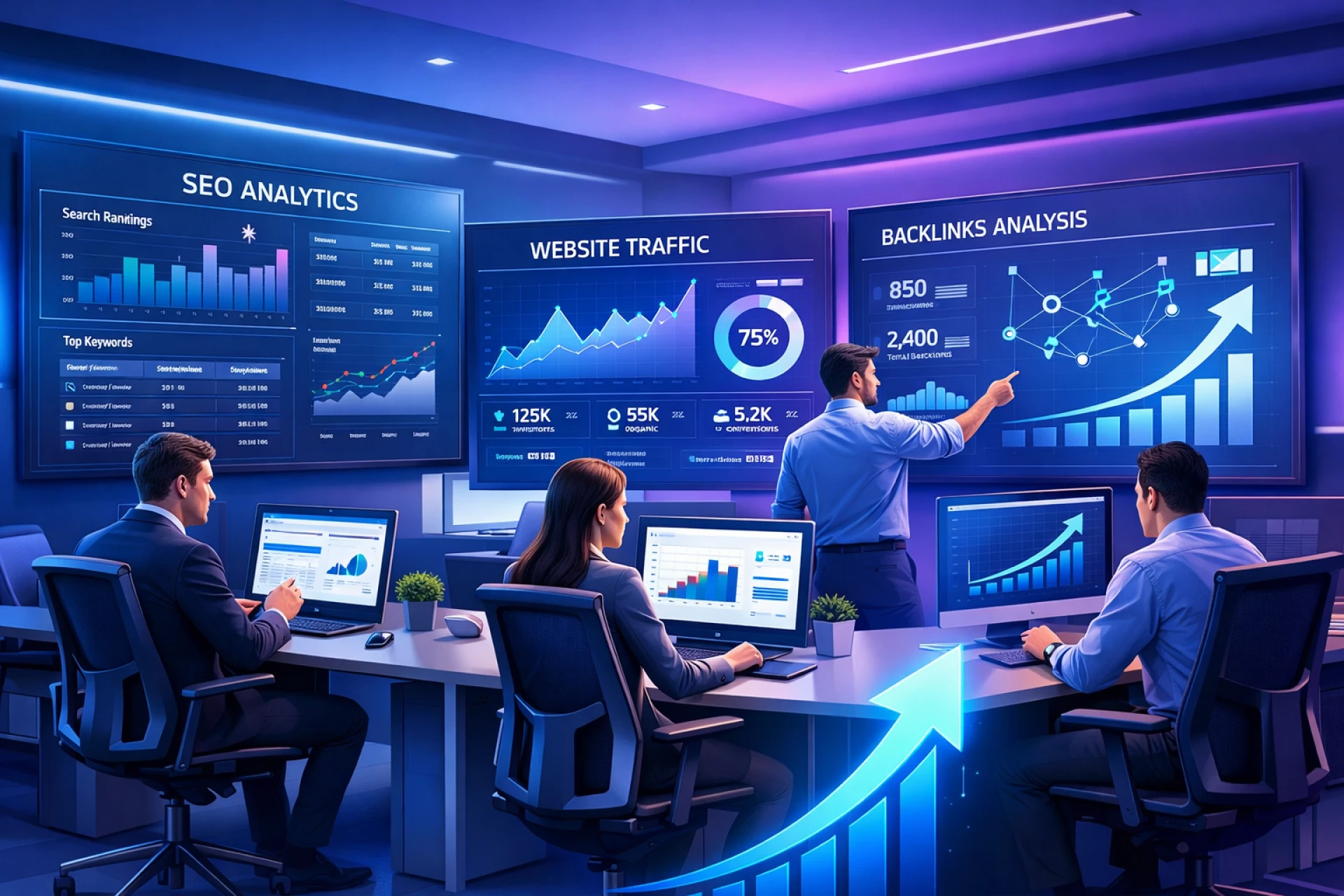
The first step of a lead generation funnel is creating awareness about your brand, product, or solution. This stage is all about visibility and positioning. Strategies like SEO, content marketing, paid ads, and social media campaigns help in bringing high-quality traffic to your website or landing page. Offering value-driven content—such as blogs, guides, or videos—plays a critical role in capturing initial interest and setting the foundation for trust.
2. Interest: Engaging and Educating Leads
Once users discover your brand, the next goal is to engage them. This is where detailed content, case studies, email newsletters, and interactive tools help enrich their understanding. Your focus should be on addressing their pain points and showing that your solutions are relevant. Strong lead magnets—like ebooks, checklists, audits, or templates—prompt visitors to exchange their contact information, allowing you to move them deeper into your funnel.
3. Decision: Building Trust and Nurturing Leads
At the decision stage, leads are evaluating their options. Personalization becomes extremely important here. Automated email sequences, product demos, comparison pages, testimonials, and personalized recommendations all help strengthen confidence. The goal is to demonstrate value, differentiate your offerings, and guide leads toward making an informed decision.
4. Action: Turning Leads into Customers
This is the final stage of the lead generation funnel, where potential customers convert. The action step varies depending on your business—booking a demo, requesting a quote, making a purchase, or signing up for a service. Ensure your calls-to-action are clear, your landing pages are optimized, and your checkout or submission process is seamless. Reducing friction at this stage makes a significant difference in conversion rates.
Why Optimizing Your Lead Generation Funnel Matters
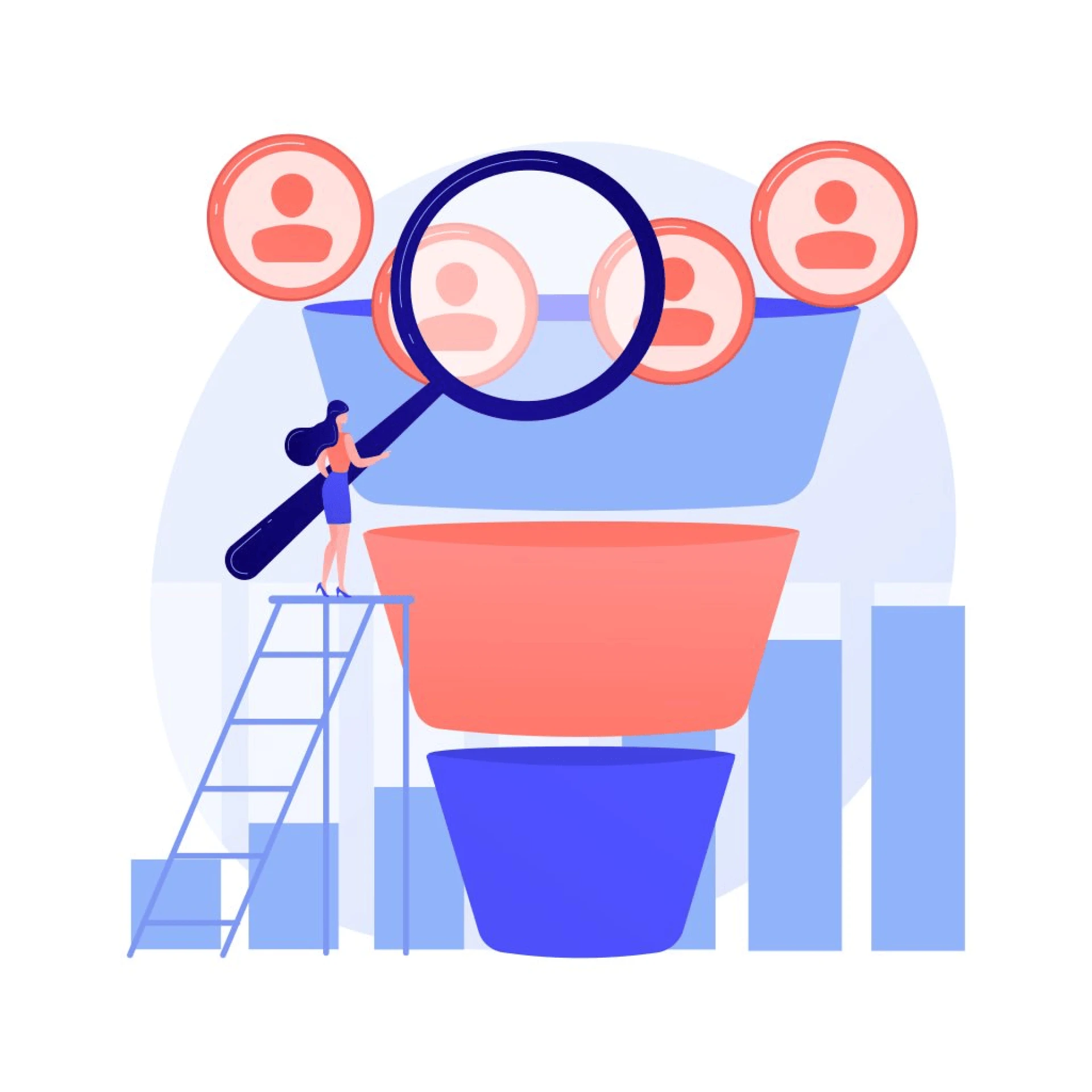
A well-designed funnel helps businesses improve lead quality, reduce acquisition costs, and increase sales efficiency. It provides clarity on user behavior, allowing you to optimize the customer journey with data-driven decisions. When done right, your funnel becomes a predictable and scalable revenue-generating system.
If you want structured, performance-focused funnels that consistently deliver results, partnering with experts can make the process more effective. A professionally optimized lead generation funnel can transform your marketing outcomes and unlock long-term growth.



























Sign in to leave a comment.