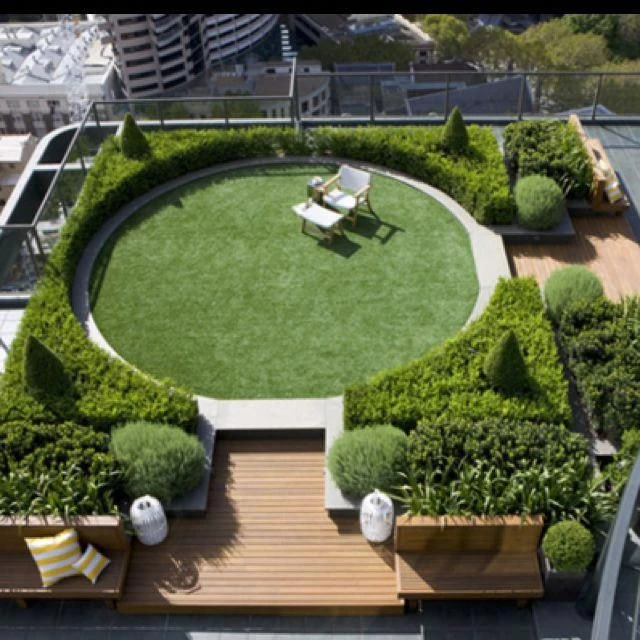

Vegetation Roof Market: Roof Type Insights (July 2024)
The vegetation roof market is experiencing significant growth, driven by environmental concerns, rising urbanization, and government incentives for sustainable building practices. But with different types of vegetation roofs available, understanding their unique characteristics is crucial for making informed decisions. Let\'s delve into the most commonly asked questions regarding roof type insights in the vegetation roof market:
- Growth and Trends: Which Roof Type Holds the Future?
The growth trajectory varies across roof types:
- Extensive Green Roofs: Expected to hold the largest market share due to their affordability, low maintenance needs, and suitability for a wider range of structures.
- Intensive Green Roofs: Poised for significant growth, particularly in public and commercial buildings, offering greater design flexibility and ecological benefits.
- Modular Green Roofs: This emerging segment is witnessing rapid growth due to faster installation times, lightweight design, and ease of customization.
- Cost Considerations: Understanding the ROI Equation
The upfront cost of a vegetation roof varies depending on the chosen roof type, project size, and complexity. Here\'s a general breakdown:
- Extensive Green Roofs: Most cost-effective option, typically ranging from $15 to $30 per square meter for installation.
- Intensive Green Roofs: Carry the highest installation cost, ranging from $40 to $100 per square meter due to the need for a more robust structural support system.
- Modular Green Roofs: Offer a competitive price point, falling between extensive and intensive options, with installation costs varying based on the specific system chosen.
However, the cost analysis doesn\'t end there. Vegetation roofs offer a strong return on investment (ROI) through:
- Energy Savings: They provide natural insulation, reducing heating and cooling costs.
- Extended Roof Lifespan: Protect the underlying roof membrane from damaging UV rays and extreme temperatures.
- Stormwater Management: Absorb rainwater, reducing strain on storm drainage systems.
- Technical Aspects: Choosing the Right Roof for Your Needs
The structural requirements for each roof type differ significantly:
- Extensive Green Roofs: Suitable for most buildings due to their lightweight design, typically requiring minimal structural reinforcement.
- Intensive Green Roofs: Demand the strongest structures due to the weight of the soil and mature plants. May necessitate structural upgrades for existing buildings.
- Modular Green Roof Systems: Offer a flexible solution, with some systems requiring minimal structural reinforcement and others designed for heavier loads.
Plant Selection: The ideal vegetation for your roof depends on the chosen roof type and your local climate:
- Extensive Green Roofs: Utilize low-growing, drought-tolerant plants like sedum varieties.
- Intensive Green Roofs: Provide the opportunity for a wider variety of plants, including shrubs, grasses, and even small trees.
Waterproofing plays a crucial role in all vegetation roof systems. Leading manufacturers like Sika AG, Bauder, Firestone Building Products, GAF, Siplast, SOPREMA, and Derbigum Roofing offer high-quality waterproofing membranes specifically designed for green roof applications.
- Innovation and Top Leaders: The Future of Green Roof Blocks
Green roof block technology is a rapidly evolving field with exciting new advancements:
- Lightweight Aggregates: Manufacturers like ZinCo GmbH and Tremco Roofing and Building Maintenance are developing lightweight aggregates to reduce the overall weight of intensive green roofs.
- Pre-Vegetated Green Roof Blocks: Companies like Vicwest and Carlisle SynTec Systems are offering pre-vegetated green roof blocks for faster installation and reduced on-site labor costs.
- Integrated Drainage Systems: Tecta America and other leaders are incorporating innovative drainage systems within green roof blocks to optimize water management.
Top Key Leaders in the Vegetation Roof Market:
The vegetation roof market boasts a diverse range of leading manufacturers, each with its own strengths:
- Sika AG: Renowned for high-performance waterproofing solutions.
- ZinCo GmbH: A pioneer in lightweight green roof systems.
- Bauder: Offers a comprehensive range of vegetation roof products and expertise.
- Carlisle SynTec Systems: Known for its Sure-Seal green roof systems.
- Derbigum Roofing: Provides high-quality waterproofing membranes specifically designed for green roofs.
- Firestone Building Products: A leading manufacturer of green roof membranes and accessories.
- GAF: Offers a variety of green roof solutions, including pre-vegetated mats.
- Siplast: Specializes in waterproofing membranes and green roof systems.









Sign in to leave a comment.