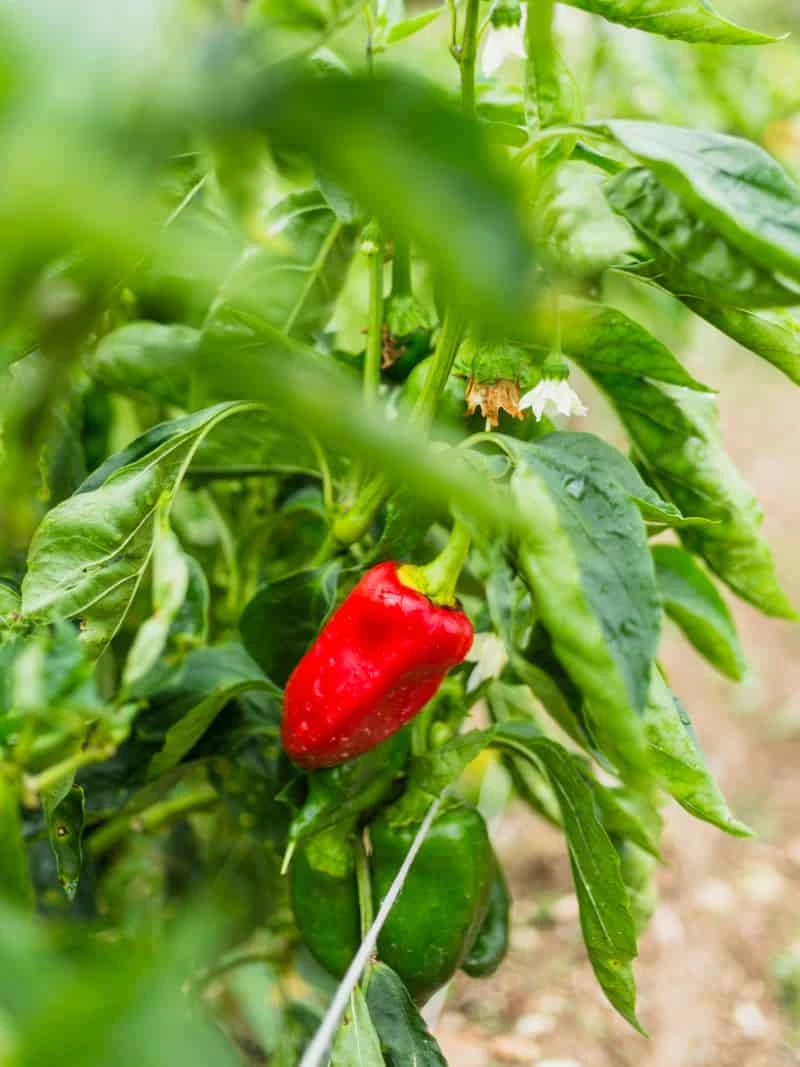

Chilli and tomato plants are beloved staples in many gardens and cuisines around the world. However, they are susceptible to various diseases, with chilli leaf curl virus and tomato leaf curl virus being particularly troublesome. These viral diseases can devastate your crops, causing stunted growth, reduced yields, and distorted leaves. In this comprehensive guide, we will explore these leaf curl viruses and shed light on effective organic treatments to protect your cherished chilli and tomato plants.
Understanding Chilli Leaf Curl Virus and Tomato Leaf Curl Virus
Chilli Leaf Curl Virus
Chilli leaf curl virus, also known as Chilli leaf curl disease (ChLCD), is caused by a group of plant viruses, including the Pepper yellow leaf curl virus (PepYLCV) and Tomato leaf curl New Delhi virus (ToLCNDV). It primarily affects chilli and pepper plants but can also infect tomatoes and other Solanaceae family members.
Tomato Leaf Curl Virus
Tomato leaf curl virus, on the other hand, primarily targets tomato plants. It is caused by a complex of viruses, including Tomato yellow leaf curl virus (TYLCV), Tomato leaf curl Sinaloa virus (ToLCSinV), and others. These viruses belong to the Geminiviridae family and are transmitted by the whitefly.
Signs and Symptoms
Both chilli leaf curl virus and tomato leaf curl virus manifest similar symptoms, which include:
Leaf Curling - Leaves of infected plants curl upward and inward, giving them a distorted appearance.Yellowing- Leaves turn yellow, which is often accompanied by a reduction in leaf size.Stunted Growth- Infected plants may exhibit stunted growth, resulting in smaller fruits and reduced yields.Flower Drop- Flowers may drop prematurely, leading to poor fruit set.Organic Treatments for Chilli Leaf Curl Virus and Tomato Leaf Curl Virus
Neem Oil
Neem oil for plants is a potent organic fungicide and insecticide that can help control the whiteflies responsible for transmitting these viruses. Regular neem oil applications can reduce the vector population and minimize virus transmission.
Companion Planting
Planting marigolds and basil near chilli and tomato plants can deter whiteflies, as these companion plants emit natural compounds that repel these pests.
Sticky Traps
Yellow sticky traps placed near infected plants can capture whiteflies, reducing their numbers and preventing further virus spread.
Crop Rotation
Implement a crop rotation strategy to break the virus's life cycle. Avoid planting susceptible crops in the same area for consecutive seasons.
Organic Insecticidal Soap
Organic insecticidal soaps can be used to control whitefly populations when applied as directed.
Resistance Varieties
Consider planting virus-resistant varieties of chilli and tomato plants, as they have genetic traits that make them less susceptible to infection.
Beneficial Insects
Introduce natural predators of whiteflies, such as ladybugs and lacewings, to help keep their populations in check.
Regular Inspection and Pruning
Routinely inspect your plants for signs of infection and promptly remove and destroy infected plant material to prevent the virus from spreading.
Conclusion
Chilli leaf curl virus and tomato leaf curl virus can pose significant challenges to gardeners and farmers. However, with a proactive and organic approach to disease management, you can protect your precious chilli and tomato crops while maintaining the health of your garden. Incorporate these organic treatments into your gardening practices to reduce the risk of infection and ensure the continued success of your harvests. By choosing environmentally friendly solutions, you not only safeguard your plants but also contribute to a sustainable and thriving garden ecosystem.









Sign in to leave a comment.