
Introduction
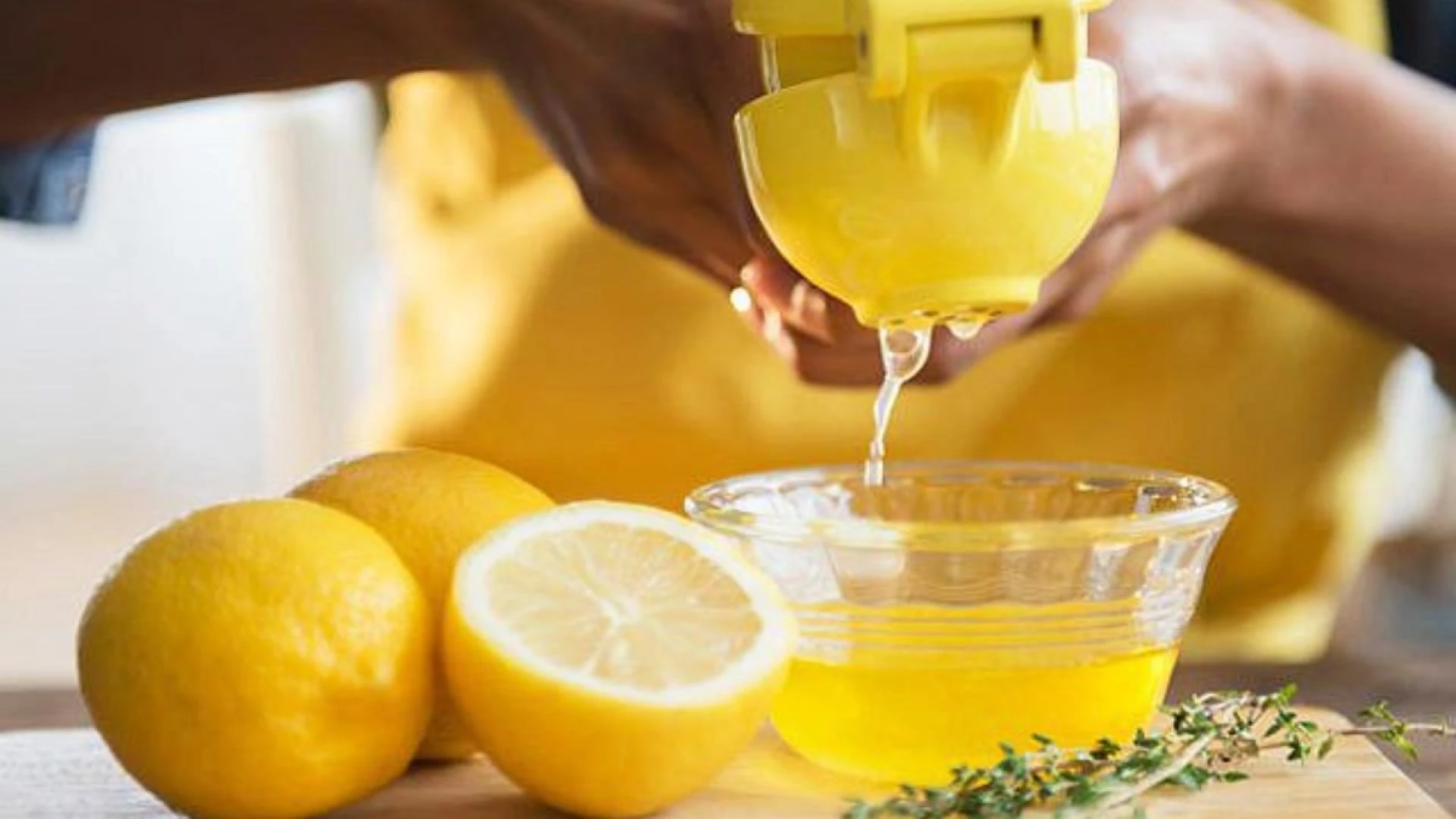
Lemon juice, with its tangy and refreshing flavor, has been a beloved addition to culinary creations and beverages for centuries. In this essay, we will explore the wonders of lemon juice, its historical significance, the health benefits it offers, its culinary versatility, and its role as a natural cleaning agent.
Historical Significance
Lemons have a long history dating back to ancient times. They were originally cultivated in Southeast Asia and were brought to the Mediterranean region by Arab traders in the 10th century. The bright yellow fruit quickly gained popularity and was used not only for its flavor but also for its medicinal properties. Lemon juice was a precious commodity during long sea voyages, as it helped prevent scurvy among sailors.
Health Benefits
Lemon juice is not only a refreshing beverage but also offers numerous health benefits. Here are some of the key advantages it provides:
High in Vitamin C: Lemons are rich in vitamin C, a powerful antioxidant that boosts the immune system, promotes healthy skin, and aids in collagen production. Regular consumption of lemon juice can help protect against common illnesses and improve overall well-being.
Digestive Aid: Lemon juice has natural cleansing properties that stimulate the production of digestive enzymes, aiding in digestion. It can help relieve symptoms of indigestion, bloating, and heartburn. Additionally, lemon juice acts as a mild diuretic, promoting healthy kidney function.
Hydration and Detoxification: Lemon juice, when consumed with water, can help hydrate the body and promote detoxification. It stimulates the liver to produce more bile, aiding in the removal of toxins from the body. Lemon juice also has a diuretic effect, flushing out waste products and supporting kidney function.
Boosts Skin Health: The vitamin C content in lemon juice plays a vital role in maintaining healthy skin. It helps reduce the appearance of wrinkles, promotes collagen production, and can even lighten dark spots and blemishes. Applying lemon juice topically can also help in treating acne and reducing excess oil on the skin.
Culinary Versatility
Lemon juice is a versatile ingredient used in a wide range of culinary creations. Its acidic and tangy flavor adds a refreshing zing to both sweet and savory dishes. Here are a few examples of how lemon juice is used in various cuisines:
Salad Dressings and Marinades: Lemon juice is a popular ingredient in salad dressings and marinades. The acidity of lemon juice helps tenderize meats and adds brightness to salads. Combined with olive oil, herbs, and spices, lemon juice creates a flavorful dressing that enhances the taste of fresh vegetables.
Baked Goods and Desserts: Lemon juice is a key ingredient in many baked goods and desserts. It adds a tangy flavor to lemon bars, lemon meringue pie, and lemon cakes. Lemon zest, which is grated lemon peel, is often used to intensify the lemony aroma and taste in these treats.
Beverages: Lemon juice is a popular ingredient in a variety of beverages. From classic lemonade to refreshing cocktails like the lemon drop and the whiskey sour, lemon juice adds a zesty and tangy twist. It can also be added to teas, sparkling water, and smoothies for a burst of flavor.
Seafood and Fish: Lemon juice is frequently used to enhance the flavor of seafood and fish dishes. Its acidity helps cut through the richness of the fish and provides a fresh and vibrant taste. Squeezing lemon juice over grilled fish, shrimp, or scallops adds a delightful citrusy note.
Cleaning and Household Uses
Beyond its culinary applications, lemon juice also serves as a natural cleaning agent due to its acidity and antibacterial properties. Here are a few ways lemon juice can be used for cleaning:
Natural All-Purpose Cleaner: Mixed with water, lemon juice can be used as an all-purpose cleaner for surfaces such as countertops, cutting boards, and stainless steel appliances. It helps remove stains, grease, and grime while leaving a fresh scent.
Freshening the Home: Lemon juice can be added to a mixture of water and essential oils to create a natural air freshener. It helps eliminate odors and leaves a clean and citrusy aroma in the air.
Removing Stains: Lemon juice can be used to remove stains from fabrics, such as ink or rust stains. It can also help brighten whites when added to the laundry.
Conclusion
Lemon juice is more than just a tangy and refreshing beverage; it offers a multitude of health benefits, culinary versatility, and even serves as a natural cleaning agent. From its historical significance as a scurvy-fighting elixir to its role in enhancing the flavors of various dishes, lemon juice has firmly established itself as an essential ingredient in cuisines around the world. So, the next time you squeeze a lemon, remember that you are not only adding a burst of flavor but also harnessing the numerous health benefits and practical applications that this zesty elixir has to offer.








Sign in to leave a comment.