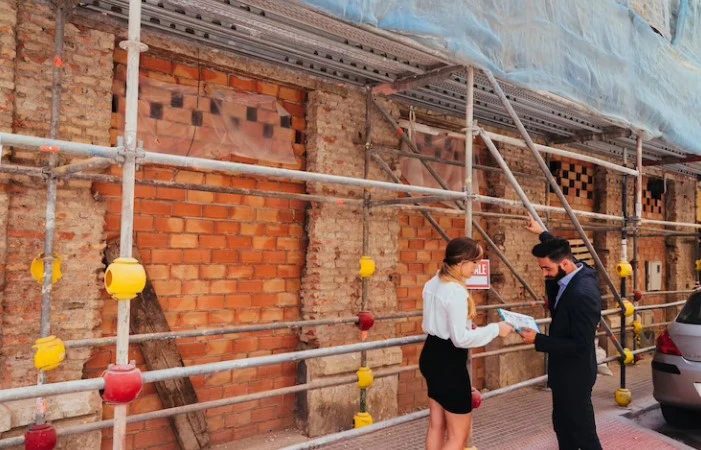

Do you want to reduce your renovation project's environmental impact and costs? Possible solutions include recycling or repurposing existing materials.
Carrie Ferrence, the former director of business development at Second Use in Seattle, which sells reclaimed business materials, says, "If you go the salvage route, you're reducing the amount of waste in the landfills, saving money, and you're able to build something that's different than what everyone else is building."
The effects on the ecosystem are catastrophic. The most recent year for which data is available (2018) shows that the United States produced 600 million tons of building and demolition trash. That's more than double the garbage collected by cities each year. It's also more than twice as much as was made in the previous five years.
You may have to put forth some effort if...
To complete your home improvement project using salvaged materials, you should plan on making many trips to the store.
The Loading Dock, a nonprofit salvaged construction materials business in Baltimore, is run by Leslie Kirkland, who advises customers to "come with your measurements, come with some creativity, and come with a truck" while shopping there. "You may need to double back to get the info you need."
Salvage businesses provide various building materials, including interior and exterior doors, sinks, cabinets, molding, tiles, etc.
Although there will be a plethora of alternatives to choose from
Materials from demolished houses, buildings, and schools, as well as those donated by homeowners, fill the shelves of salvage businesses throughout the United States. Old House Online lists architectural salvage businesses, and the nonprofit organization, Habitat for Humanity also operates ReStores in various places under the brand name. Such shops often provide frequent updates. There are other places to look for valuable items than thrift shops.
Some items may be salvageable from pawn shops, thrift stores, and flea markets. Repurposed materials may be purchased on online markets like Etsy, eBay, and Craigslist. Used materials (and anything else you can think of) are among the many things people are willing to give away for free on Freecycle and other Facebook groups.
Going to the municipal or county landfill or salvage yard is another option. However, in those discoveries, you may need to check for lead, rust, or asbestos. Asbestos is generally not sold in salvage yards, and objects suspected to contain lead paint may be marked as such. But in most cases, you should proceed with caution.
Sometimes, adaptability is required.
If the tile or fixture you had in mind for your project isn't readily accessible, you may have to consider alternatives and modify your original plan accordingly. Working with a professional architect or designer familiar with salvaged materials and who knows where to get them may simplify this process significantly. Of course, it's always a good idea to be able to think on your feet, particularly if you happen to stumble onto a conversation piece, like a dazzling chandelier or an intricate mirror.
Possible Increase in Labor Expenses
Reclaimed materials may be less expensive upfront, but the installation still requires payment. And that may become pricey since your discoveries might differ from the typical size. That happened with one of Paulo Scardina's clients at Sustainable Sedona, an architecture and design business in Sedona, Arizona. They believed they had received a good deal on the used doors they had purchased. The cost of having the contractor cut down and adapt each entry so that it would fit in the house should have been noticed, according to Scardina.
However, when all the pieces come together, and the reclaimed materials blend in, the result is a one-of-a-kind design and significant savings for the homeowner. Scardina explains that using reclaimed materials results in "exciting designs." Whether or whether "the cost savings is wiped out" is a matter of "case by case."
Be mindful of the waste you produce.
If you want to lessen your renovation's negative effect on the environment, you also need to consider the trash it's creating. Have your contractor "deconstruct" your house in a method that salvages as much useable material as possible from the demolition of your outdated bathroom or kitchen.
Instead of throwing them away in a landfill, think about selling the materials first. Better yet, think about giving them to an organization with similar ideals to your own, like Habitat for Humanity. You may get a tax break for your generosity. Using previously owned materials adds a nice, natural touch to any renovation.
The nutshell on reusing old stuff in new ways
Salvaged materials are highly recommended for both financial and ecological reasons. It reduces spending by reusing resources that would otherwise be wasted. Using salvaged materials in your renovation will help the environment and add to your home's resale value.
If you need money for home improvements but don't have access to credit, you may tap into your equity. You can finance necessary renovations using the equity you've built up in your property if its value exceeds your mortgage.
Visit tj projects construction company. They provide many construction-related services that you need to build a new home.


























Sign in to leave a comment.