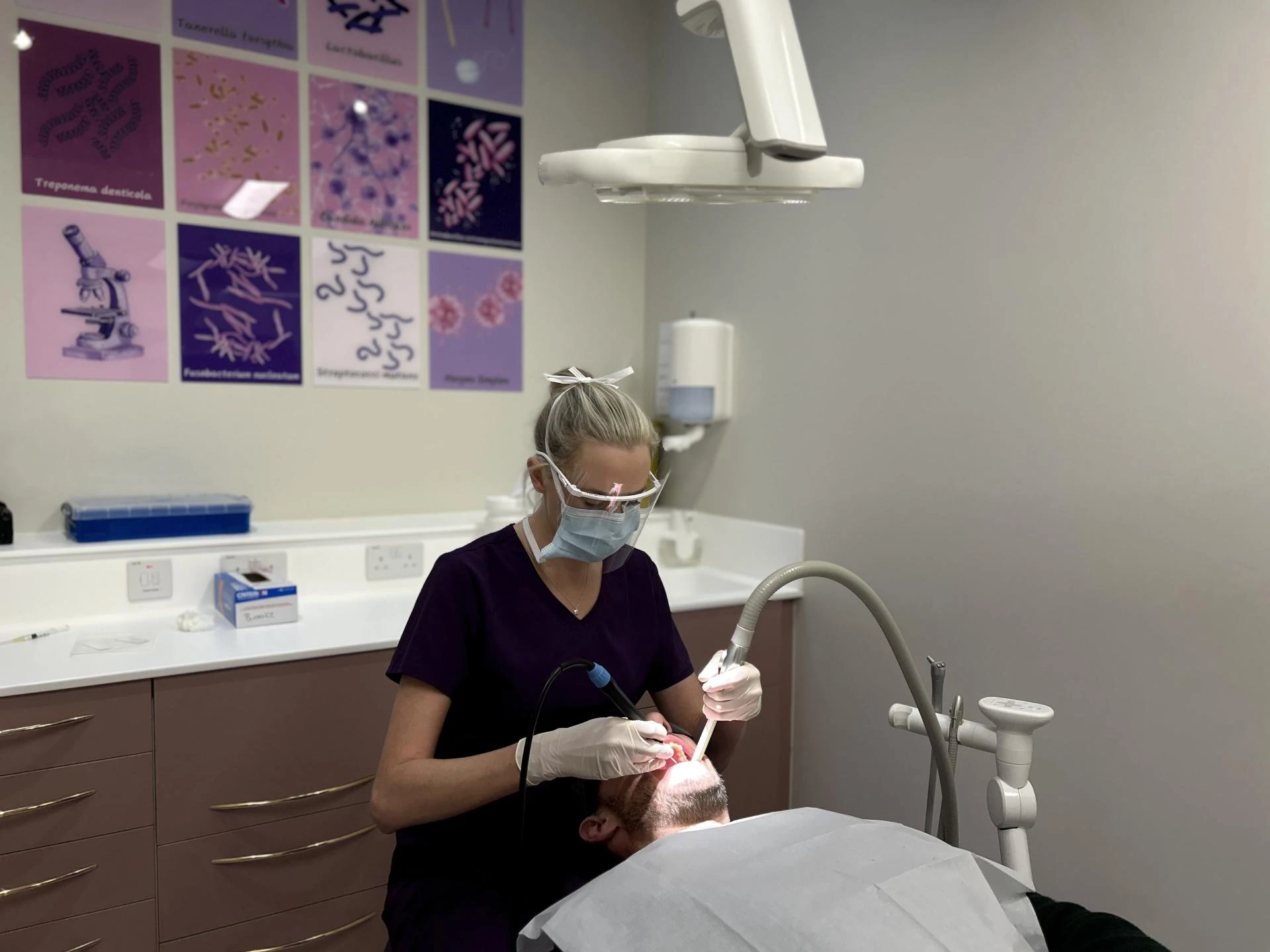

Gum recession is a common dental concern that can affect people of all ages. It occurs when the gums pull back from the teeth, exposing the roots and making teeth more sensitive or vulnerable to decay. Many individuals wonder how to stop gum recession without relying solely on surgical treatments. While professional dental care is essential, certain lifestyle changes can support gum health and help prevent further recession naturally.
This article explores practical steps that can help maintain healthy gums, protect teeth, and promote long-term oral wellness.
Understanding Gum Recession
Before considering lifestyle adjustments, it is important to understand what causes gum recession. Several factors can contribute, including aggressive tooth brushing, poor oral hygiene, gum disease, tobacco use, hormonal changes, and even genetics. Over time, these factors can weaken the gum tissue, causing it to recede and sometimes resulting in tooth sensitivity, inflammation, or an increased risk of cavities.
Recognising early signs of gum recession, such as longer-looking teeth, exposed tooth roots, or bleeding during brushing, allows individuals to take timely action. Knowing how to stop gum recession can help prevent more serious dental issues in the future.
Adopting a Gentle Brushing Routine
One of the simplest and most effective ways to support gum health is by adjusting daily brushing habits. Using a soft-bristled toothbrush and gentle motions reduces the risk of damaging the gums. Brushing too hard or using abrasive toothpaste can accelerate gum recession, even if teeth appear clean.
Dentists recommend brushing twice a day with careful, circular movements along the gum line. This technique not only removes plaque but also protects delicate gum tissue. Combining proper brushing with daily flossing helps remove food particles and bacteria that can contribute to gum disease, a leading cause of recession.
Maintaining a Balanced Diet
Nutrition plays an important role in oral health. A diet rich in vitamins and minerals can strengthen gums and support tissue repair. Vitamin C, for example, is essential for collagen production, which helps maintain gum integrity. Foods such as oranges, strawberries, broccoli, and peppers provide natural sources of this vitamin.
Additionally, consuming calcium-rich foods like dairy products, leafy greens, and fortified alternatives strengthens teeth and jawbones, creating a stable foundation for healthy gums. Limiting sugary snacks and drinks also reduces the risk of plaque buildup, which can irritate gums and lead to recession.
Staying Hydrated and Rinsing with Water
Adequate hydration is often overlooked when it comes to gum health. Drinking water throughout the day helps wash away food particles and bacteria that can accumulate along the gum line. It also stimulates saliva production, which naturally protects teeth and gums.
Rinsing the mouth with water after meals, especially when brushing immediately is not possible, can reduce the harmful effects of acids and sugars on gum tissue. This simple habit supports overall oral hygiene and helps in learning how to stop gum recession.
Avoiding Tobacco and Limiting Alcohol
Tobacco use, whether through smoking or chewing, has a significant negative impact on gum health. Chemicals in tobacco reduce blood flow to the gums, making it harder for tissues to heal and recover. Similarly, excessive alcohol consumption can dry out the mouth and increase the risk of gum problems.
Reducing or eliminating these habits not only improves oral health but also supports overall wellbeing. Many dental professionals emphasise that lifestyle changes in this area are crucial for preventing the progression of gum recession naturally.
Managing Stress and Supporting Oral Health
Stress can indirectly affect gum health. High stress levels may lead to teeth grinding, clenching, or neglecting proper oral hygiene. Over time, these behaviours can contribute to gum irritation and recession.
Incorporating stress-management techniques such as exercise, meditation, or sufficient rest can reduce these risks. When combined with consistent dental care and healthy habits, managing stress becomes an important part of learning how to stop gum recession naturally.
Regular Dental Check-Ups
Even with lifestyle improvements, professional dental care remains essential. Regular check-ups allow dentists to monitor gum health, provide cleanings that remove hardened plaque, and recommend targeted treatments when necessary. Early intervention can prevent minor issues from becoming serious problems, making it easier to maintain healthy gums over time.
Dental professionals may also provide advice tailored to individual needs, including specialised toothpaste, mouth rinses, or protective devices if teeth grinding is present. This combination of professional care and lifestyle changes is often the most effective way to prevent further gum recession.
Building a Routine That Works
Adopting a daily routine that incorporates gentle brushing, flossing, a balanced diet, hydration, avoiding harmful substances, and stress management can make a significant difference in gum health. Patients who combine these habits with regular dental visits often see improvements in gum stability and a reduced risk of recession.
Learning how to stop gum recession is not about a single change but rather creating a consistent approach to oral care and overall health. The benefits extend beyond gum preservation to stronger teeth, fresher breath, and a healthier smile.
At Optimal Dental Health, patients receive guidance on maintaining healthy gums and preventing recession through both lifestyle adjustments and professional treatments. With personalised care and ongoing support, individuals can protect their oral health naturally and enjoy lasting results.



























Sign in to leave a comment.