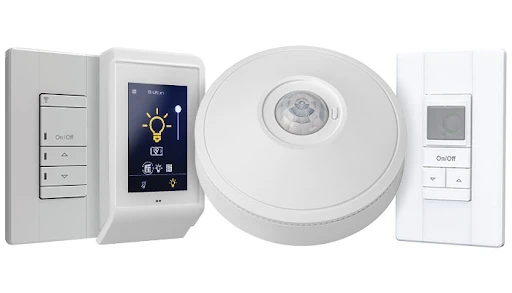

Energy efficiency, convenience, and comfort are driving innovations in various industries, and lighting is no exception. Lighting control systems have emerged as a transformative solution for effectively managing indoor and outdoor lighting. These systems not only enhance the ambiance of a space but also provide an eco-friendly approach to lighting by optimizing energy consumption. Whether you are in the residential, commercial, or industrial sector, understanding how lighting control systems can benefit you is essential. Let’s dive into how these systems work, their advantages, and why they’re becoming integral to modern buildings.
How Lighting Control Systems Work
At their core, lighting control systems are designed to optimize lighting by allowing for precise control of the lights in a building. Here’s how they work:
- Automated Adjustments: One of the most convenient features of modern lighting control systems is automation. Sensors embedded in the system can detect ambient light levels and adjust artificial lighting accordingly. For example, if natural light increases during the day, the system will dim or turn off the indoor lights to save energy.
- Centralized Control: With the addition of an indoor smart lighting panel, users can control multiple lighting circuits from a single interface. This provides ease of use and convenience, especially in large buildings or spaces with numerous lighting zones. The panel can be integrated with a home automation system, enabling users to control the lighting remotely through a smartphone app or voice assistants like Amazon Alexa or Google Assistant.
- Dimming and Scene Setting: Many lighting control systems offer dimming features that allow users to adjust light intensity according to the task or time of day. With lighting control, you can easily switch between different preset "scenes" or lighting environments, such as bright lighting for working or dim lighting for relaxation.
- Scheduling and Timing: Lighting control systems can be programmed to automatically switch on and off at specific times or in response to certain events. For example, lights can be scheduled to turn on at sunset and turn off at sunrise or after a set number of hours, providing convenience and ensuring that lights are not left on unnecessarily.
- Energy Monitoring and Savings: Many lighting control systems include energy-monitoring features that track energy consumption. By monitoring usage patterns, you can identify areas where energy is being wasted and make adjustments to improve efficiency.
Benefits of Lighting Control Systems
The advantages of integrating lighting control systems into your space are numerous, ranging from energy savings to improved user experience. Let’s explore some of the top benefits:
1. Energy Efficiency and Cost Savings
One of the most compelling reasons to install a lighting control system is the potential for energy savings. Traditional lighting systems always operate at full power, even when full brightness is not required. With lighting control, you can ensure that lights are only on when needed and that they are set to the appropriate brightness level for the task at hand.
2. Enhanced Comfort and Convenience
Imagine entering a room and having the lights automatically adjust to your preferred setting, or being able to dim the lights with a simple voice command. With lighting control systems, this level of convenience is possible. These systems allow you to program and control the lighting in your home or office to create the ideal ambiance for any occasion.
3. Improved Safety and Security
With lighting control systems, you can set your lights to turn on and off automatically, simulating the presence of people in your home or office, even when you’re away. This provides an additional layer of security.
In addition, the growing adoption of Retrofit LED lights and other energy-efficient technologies will make lighting systems even more sustainable. Whether for residential, commercial, or industrial spaces, lighting control systems will continue to provide better performance, enhanced comfort, and significant cost savings.
Conclusion
Lighting control systems represent a significant leap forward in how we manage lighting in our spaces. With energy efficiency, convenience, enhanced safety, and customizable options, these systems offer a variety of benefits for homeowners, business owners, and building managers alike.
























Sign in to leave a comment.