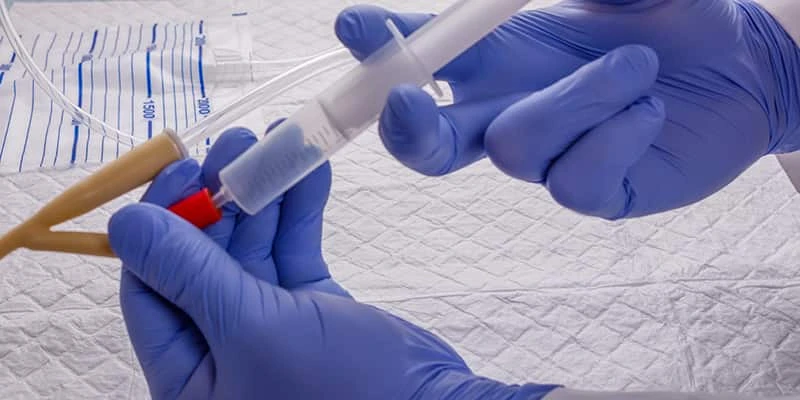

What are Foley Catheters?
A Foley catheter is a thin, flexible tube that is inserted into the bladder to drain urine. It is also sometimes called an indwelling catheter. Foley catheters are commonly used after certain surgical procedures on the bladder, prostate or during recovery from childbirth when it\'s difficult to use the bathroom normally. They can provide temporary or long-term drainage of urine from the bladder.
Types of Foley Catheters
There are different types of Foley catheters available based on their use, material and other features:
- Straight/indwelling catheter: A basic Foley catheter with a balloon at the tip that is inflated once inserted to hold it in place. Commonly used for short-term drainage.
- Coude tip catheter: Has a curved tip that aims towards the bladder opening, making it easier to insert especially in men.
- Pediatric catheters: Smaller, softer versions designed for children.
- Silicone catheters: More expensive than PVC or rubber but less likely to develop encrustations. Often used for long-term drainage.
- Coated catheters: Have antimicrobial coatings like silver alloy or hydrogel to reduce the risk of infections.
- Three-way catheters: Have an extra drainage port to inject fluids like antibiotics or saline to flush the bladder. Useful for patients with recurrent infections.
How are Foley Catheters Inserted?
Inserting a Foley catheter requires cleaning and draping the genital area first. The procedure usually involves:
- Lubricating the tip of the deflated catheter with a water-based lubricant.
- Gently inserting the catheter into the urethral opening and sliding it in till urine comes through.
- Inflating the small balloon at the tip with sterile water to securely anchor it inside.
- Connecting the catheter to a leg bag or collection bag to continuously drain urine.
- Securing the catheter to the thigh to prevent pulling.
It\'s a quick procedure but can cause discomfort. Local anesthetic gels may be used prior for pain relief, especially in men. Nurses are specially trained to insert Foley catheters properly.
Risks and Complications of Catheter Use
While necessary in many cases, long-term catheter use does increase the risk of certain complications:
- Urinary tract infections (UTIs): The most common complication. Bacteria can enter through the catheter and infect the bladder.
- Blockages: Mucus, blood clots or crystalline deposits may obstruct the catheter tubing over time.
- Trauma: Inserting or removing catheters forcefully can cause urethral injuries or swelling.
- Catheter misplacement: If not inserted accurately, it may go into the urethra instead of the bladder.
- Encrustations: Mineral salts can build up on the catheter surface forming hard crystalline blocks.
- Bleeding: Urethral trauma during insertion may lead to bleeding in rare cases.
That\'s why catheters should only be used for as long as necessary and removed as soon as possible. Strict sterile technique and routine care helps reduce complications.
Catheter Care and Maintenance
Once inserted, these are the standard steps involved in caring for an indwelling catheter:
- Connect to a closed drainage system and keep the collection bag below bladder level.
- Cleanse the urethral meatus daily with mild soap and water to prevent infections.
- Gently wash around the catheter entry site with each diaper change if used for incontinence.
- Inflate the retention balloon regularly as per volume indicated to ensure it stays anchored.
- Empty and measure urine output daily as instructed by the doctor.
- Change the collection bag regularly, at least once every 7 days or when 1/3rd full.
- Clean catheter tubing weekly with saline to remove encrustations using a 10ml syringe.
- Report any signs of bulging, tenderness or fever which could indicate an infection.
With proper insertion technique and ongoing care, Foley catheters can effectively drain urine short or long-term with minimum complications when absolutely needed. But removal should always be the ultimate goal.
Alternatives to Indwelling Catheters
For some patients, indwelling catheters may not be suitable or necessary long-term. In such cases, other options can be explored:
- External catheters for men: A adhesive sheath is stuck over the penis connected to a bag. More comfortable but need to be changed regularly.
- Intermittent catheterization: Inserting and removing a catheter to drain urine as needed, usually 4-6 times a day. Self-catheterization can be learned.
- Incontinence pads/absorbent products: For mild urine leakage not requiring continuous drainage.
- Sacral nerve stimulation: Delivering mild electric pulses to improve bladder control in some cases.
- Botulinum toxin injections: Used to treat urinary incontinence by relaxing bladder muscles.
The key is finding the most effective and least invasive method tailored for each individual\'s needs assessed by their doctor or urologist. Foley catheters should only be a temporary solution whenever possible.
In conclusion, Foley catheters provide an important short-term drainage option but long-term use increases health risks that need to be carefully managed. With proper technique and maintenance, they serve their purpose till a patient can regain normal bladder function or switch to a safer alternative if indicated. Patients should work closely with their care team for timely catheter removal and follow up.











Sign in to leave a comment.