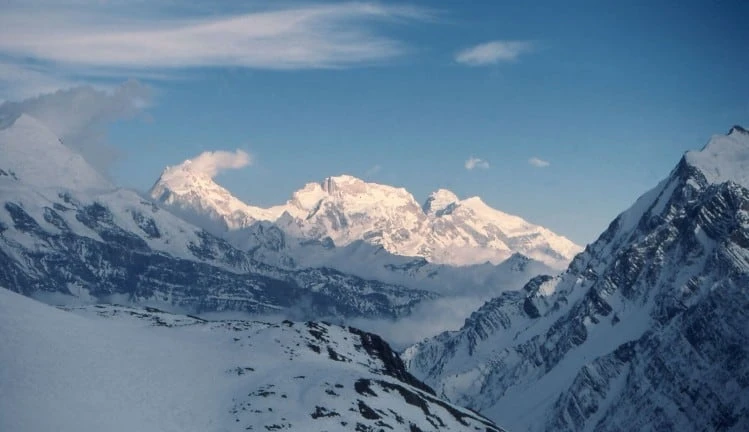

Lobuche Peak, located in the heart of Nepal's Khumbu region, is one of the most popular climbing destinations. Lobuche, with its breathtaking vistas of Everest and the surrounding peaks, provides an adventurous yet attainable challenge for mountaineers. Whether you're an expert climber or a hiking enthusiast seeking to tackle your first Himalayan peak, this guide will provide you all the information you need to summit Lobuche.
Overview
Lobuche Peak consists of two main summits: Lobuche East (6,119 meters) and Lobuche West (6,145 meters). While Lobuche East is the more frequently climbed of the two, both offer exhilarating experiences with breathtaking vistas. The peak is known for its challenging terrain, technical sections, and rewarding views, making it a popular choice for climbers looking to test their skills.
Best Time to Climb
The best time to climb Lobuche Peak is during the pre-monsoon (spring) and post-monsoon (autumn) seasons:
Spring (April to May): Mild temperatures, stable weather, and blooming rhododendrons make this an ideal time.Autumn (September to November): Clear skies, cool temperatures, and stable weather conditions are perfect for climbing.Permits and Regulations
To climb Lobuche Peak, you’ll need the following permits:
Climbing Permit: Issued by the Nepal Mountaineering Association (NMA).Sagarmatha National Park Permit: Required for entry into the national park.Trekking Information Management System (TIMS) Card: Necessary for all trekkers in Nepal.Route and Itinerary
Typical Itinerary
Day 1: Arrival in Kathmandu
Arrive in Kathmandu and transfer to your hotel. Spend the day exploring the city and preparing for the trek.Day 2: Flight to Lukla and Trek to Phakding
Fly from Kathmandu to Lukla (2,860 meters) and trek to Phakding (2,610 meters).Day 3: Trek to Namche Bazaar
Trek from Phakding to Namche Bazaar (3,440 meters), the gateway to the Everest region.Day 4: Acclimatization Day in Namche Bazaar
Spend the day acclimatizing in Namche Bazaar, exploring local markets, and hiking to nearby viewpoints.Day 5: Trek to Tengboche
Trek from Namche Bazaar to Tengboche (3,860 meters), home to the famous Tengboche Monastery.Day 6: Trek to Dingboche
Continue trekking to Dingboche (4,410 meters), passing through picturesque landscapes.Day 7: Acclimatization Day in Dingboche
Another acclimatization day to prepare for higher altitudes. Hike to Nagarjun Hill for panoramic views.Day 8: Trek to Lobuche
Trek from Dingboche to Lobuche (4,940 meters), a small settlement with stunning mountain views.Day 9: Trek to Lobuche Base Camp
Trek to Lobuche Base Camp (4,950 meters), where you’ll set up camp and prepare for the climb.Day 10: Summit Day
Climb from Base Camp to the summit of Lobuche East (6,119 meters). Return to Base Camp.Day 11: Trek to Pangboche
Descend to Pangboche (3,930 meters), enjoying the beautiful scenery along the way.Day 12: Trek to Namche Bazaar
Trek back to Namche Bazaar, retracing your steps through the Khumbu region.Day 13: Trek to Lukla
Continue descending to Lukla, where you’ll celebrate the successful climb.Day 14: Flight to Kathmandu
Fly back to Kathmandu and transfer to your hotel. Spend the rest of the day relaxing or exploring the city.Day 15: Departure
Transfer to the airport for your departure flight or continue your adventure in Nepal.Gear and Equipment
Essential gear for Lobuche Peak climbing includes:
Mountaineering bootsCramponsIce axeHarnessHelmetClimbing ropeDown jacket and pantsWarm layersWaterproof jacket and pantsSleeping bagHeadlampSunglasses and sunscreenPhysical Preparation and Training
Climbing Lobuche Peak requires a high level of physical fitness. Prepare by:
Building cardiovascular endurance through running, cycling, or swimming.Strength training, focusing on legs, core, and upper body.Practicing with a loaded backpack on hikes to simulate trekking conditions.Learning and practicing mountaineering skills such as using crampons, ice axe techniques, and rope management.Hiring a Guide
While experienced climbers may attempt Lobuche independently, hiring a guide or joining an expedition can enhance safety and increase chances of success. Guides provide valuable local knowledge, support, and logistics management.
Safety Considerations
Acclimatization: Proper acclimatization is crucial to avoid altitude sickness. Follow a gradual ascent and take rest days.Weather: Be prepared for rapidly changing weather conditions. Always check forecasts and be flexible with your schedule.Hydration and Nutrition: Stay hydrated and maintain a balanced diet to keep your energy levels up.Conclusion
Lobuche Peak offers an unforgettable climbing experience in the heart of the Himalayas. With proper preparation, training, and a sense of adventure, you’ll be rewarded with stunning views, challenging climbs, and a deep sense of accomplishment. Whether you’re an experienced mountaineer or a trekking enthusiast looking to push your limits, Lobuche Peak is a climb you’ll never forget.


















Sign in to leave a comment.