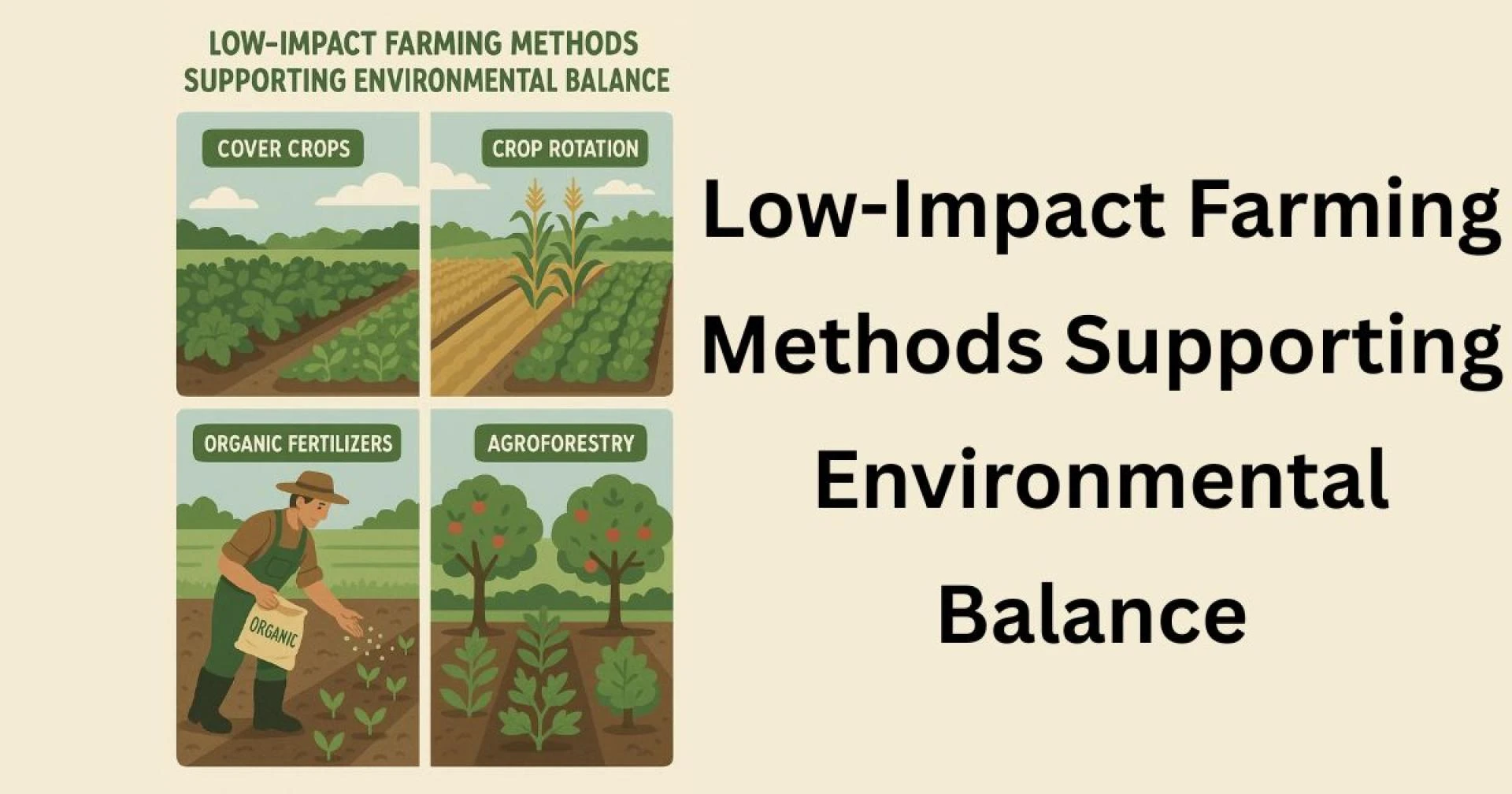

Modern agriculture is undergoing a powerful shift—one that balances productivity with ecological responsibility. As farmers adopt new tools and technologies, the focus is increasingly on methods that reduce environmental harm, enhance soil health, and optimize natural resources. This transition is driven by a blend of data-driven systems, automation, and field-level intelligence, forming the backbone of today’s Sustainable Farming Solutions and enabling long-term environmental resilience.
The Need for Low-Impact Farming in a Changing Environment
Climate volatility has pushed farming communities worldwide to rethink traditional practices. Erratic weather patterns, declining soil fertility, water depletion, and pest outbreaks—all symptoms of environmental imbalance—have highlighted the need for regenerative and low-impact approaches.
Unlike conventional methods that often prioritize yield at the cost of soil and ecosystem health, low-impact farming is about producing more with less. It protects biodiversity, restores soil, reduces chemical use, and ensures that farmland remains productive for future generations. The integration of advanced agritech platforms makes this possible by offering real-time monitoring, predictive insights, and automation that minimize resource wastage.
Core Principles of Low-Impact Agriculture
Low-impact farming isn't defined by a single method. Instead, it is a set of interconnected principles that emphasize regeneration, efficiency, and ecological balance.
1. Soil Regeneration and Health Preservation
Healthy soil is the foundation of sustainable agriculture. Farmers adopting low-impact methods often begin with techniques like:
- No-till or reduced-till farming to prevent soil disturbance
- Cover cropping to protect soil from erosion and enhance organic matter
- Crop rotation to balance nutrient use and break pest cycles
Modern farm management software also enables soil mapping, nutrient tracking, and sensor-based monitoring to guide input decisions with precision.
2. Water Conservation and Smart Irrigation
Water scarcity is one of agriculture’s biggest challenges. Low-impact farming prioritizes:
- Drip irrigation
- Moisture-sensor-based irrigation scheduling
- Rainwater harvesting
- Remote monitoring of reservoirs and field hydration
IoT-enabled systems help farmers identify water-stress zones, reduce over-irrigation, and improve water-use efficiency.
3. Reduced Dependence on Chemicals
Low-impact farms minimize chemical fertilizers and pesticides. This is supported by:
- Biological pest control
- Precision nutrient management
- AI-based disease detection
- Drone-enabled spray operations focused only on affected areas
By targeting problems early and preventing blanket spraying, farmers maintain ecological balance and avoid soil and water contamination.
How Technology Strengthens Low-Impact Farming
Agritech innovations make it easier for farmers to implement eco-friendly practices without sacrificing yield. Technology ensures every decision is informed, precise, and resource-efficient.
Precision Field Monitoring
Sensors, satellite imagery, and AI-based field diagnostics help farmers monitor crop health, soil condition, moisture levels, and pest activity. This allows immediate intervention and reduces overuse of inputs.
Smart Farm Automation
Automation plays a major role in reducing the environmental footprint through:
- Automated irrigation control
- Autonomous drones for mapping and targeted spraying
- Robotics for planting and weeding
These tools reduce labor dependency while ensuring consistent and accurate field operations.
Predictive Analytics for Proactive Management
Predictive modelling offers insights into potential disease outbreaks, nutrient deficiencies, or water stress before they escalate. Farmers can prevent losses and avoid excessive chemical usage, strengthening environmental harmony.
Low-Impact Farming Practices That Protect Ecosystems
Farms that adopt eco-conscious techniques contribute significantly to biodiversity and soil restoration. The following practices ensure long-term ecological equilibrium:
1. Agroforestry and Integrated Farming Systems
Integrating trees with crops and livestock enhances biodiversity, improves water retention, and increases carbon sequestration. Trees act as natural windbreaks, boosting yield stability and restoring ecological balance.
2. Organic Input Management
Instead of synthetic fertilizers, farmers can use compost, green manure, and microbial cultures to enrich soil fertility naturally. This reduces greenhouse gas emissions and safeguards soil microorganisms.
3. Integrated Pest Management (IPM)
IPM blends biological control, mechanical barriers, and targeted chemical use only when necessary. Technology assists with early pest identification, reducing overall pesticide reliance.
4. Controlled Traffic Farming
By confining machinery movement to specific paths, farmers reduce soil compaction. This improves aeration, root penetration, and water absorption—key components in low-impact agriculture.
Role of Agritech Platforms in Driving Eco-Friendly Farming
Digital platforms empower farmers with complete visibility into field conditions, enabling them to adopt environmentally friendly methods with confidence.
Data-Driven Decision Making
From seeding to harvesting, agritech systems collect multi-layered data—weather, soil, crop health, equipment performance—and translate it into actionable insights. This helps farmers optimize operations with minimal environmental disturbance.
Resource Optimization
With precision tools, farmers apply fertilizer, water, and pesticides exactly where required. This reduces waste, improves yield quality, and supports sustainable operations.
Sustainability Tracking and Certification
Tech platforms now help farmers document and track activities related to carbon emissions, soil health, and regenerative compliance. This ensures transparency and strengthens market positioning.
Benefits of Low-Impact Farming for Future Generations
Adopting environmentally balanced farming methods ensures long-term sustainability and profitability.
- Higher long-term soil fertility
- Improved resilience to climate impacts
- Lower production costs through efficient resource use
- Better biodiversity and ecosystem stability
- Stronger consumer trust in sustainably grown produce
Low-impact farming not only safeguards the environment but also enhances farm profitability through efficient input use and improved soil productivity.
Conclusion
Low-impact farming marks the future of global agriculture. By combining regenerative methods with modern technologies, farmers can protect natural ecosystems while growing healthier, more nutritious crops. As agritech platforms continue to advance, they make it easier for farmers to adopt Sustainable Farming Practices that restore environmental balance and create long-term value. The shift has already begun—and the future of agriculture depends on scaling these eco-considerate, technology-powered methods.


























Sign in to leave a comment.