
Introduction
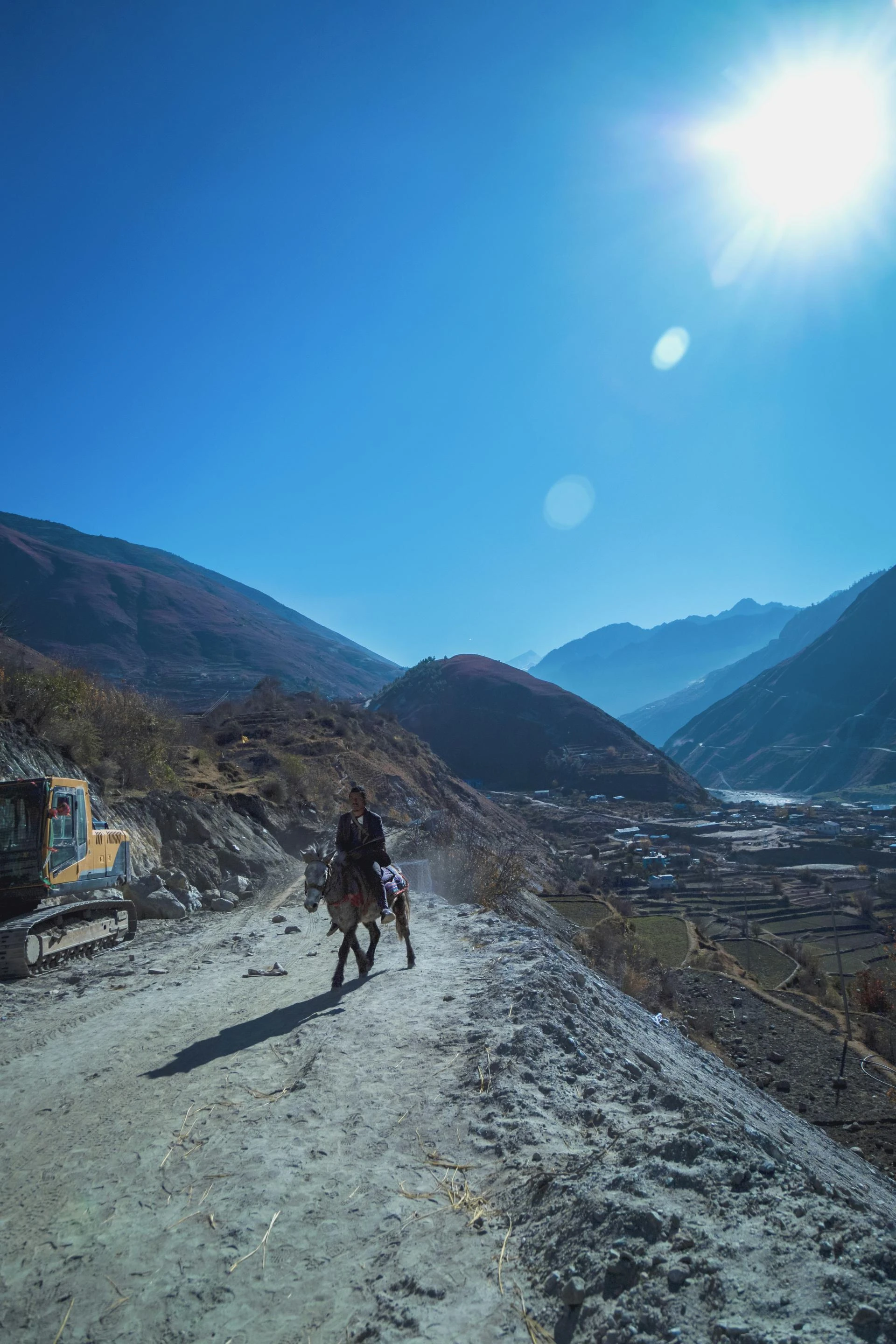
The Lower Dolpo Trek is an adventure into one of Nepal's most remote and culturally rich regions, offering trekkers a unique experience far removed from the more frequented trails of the Annapurna or Everest regions. Here's an in-depth exploration of what makes this trek a must for those seeking an off-the-beaten-path journey.
Trek Overview
Starting Point: The trek typically begins with a flight from Kathmandu to Nepalgunj, followed by another to Juphal, the gateway to Dolpo. From Juphal, trekkers proceed on foot to Dunai, the administrative center of the Dolpo district.
The Lower Dolpo Circuit typically takes 15 to 22 days to complete, covering a distance of about 220 kilometers. Before arriving at the destination, Phoksundo Lake, the hike winds through the Shey-Phoksundo National Park, passing via the villages of Tarakot, Dho Tarap, and Ringmo.
Highlights of the Trek
Phoksundo Lake: One of Nepal's deepest lakes, famous for its gorgeous blue waters and the backdrop of the Kanjiroba Himal.
Ancient Monasteries: Several Bon and Buddhist monasteries are traversed during the hike, offering insights into one of the area's oldest religious customs.
Shey-Phoksundo National Park: Rare species including the snow leopard, blue sheep, and other Himalayan birds may be found in Shey-Phoksundo National Park, which is well-known for its abundant biodiversity.
Acclimatization and Altitude
Highest Point: Two of the highest heights, Numa La Pass (5,309 meters) and Baga La Pass (5,190 meters), require adequate acclimatization.
Acclimatization: To aid hikers in acclimating to the altitude, the walk includes rest days, particularly in Dho Tarap. Trekkers must ascend gradually and be aware of the symptoms of altitude sickness because it might be a significant problem.
Technical and Physical Difficulties
Difficulty: Known as challenging because of the high passes, isolated location, and occasionally difficult terrain. Because days can require five to seven hours of walking, including steep ascents and descents, physical conditioning is essential.
Terrain: The trail offers a variety of scenery, ranging from high-altitude, desert regions to wooded sections. Trekkers should be ready for a variety of situations, such as the possibility of snow on passes at specific seasons.
Natural and Cultural Experiences
Cultural Immersion: The Dolpo region offers a profound exploration of ancient spiritual practices as it is a stronghold of both Tibetan Buddhism and the pre-Buddhist Bon religion. A true cultural experience can be had by visiting monasteries, staying in traditional homes, or meeting people.
Natural Beauty: Because of the trek's remote location, a large portion of the terrain has not been altered, offering breathtaking mountain vistas, unusual geological formations, and a diverse range of plants and animals.
The Ideal Time to Go Trekking
With sunny skies and cooler temperatures, spring (March to May) and autumn (September to November) are the best seasons.
Although the Dolpo region sees less precipitation due to its location in a rain shadow, the monsoon season (June to August) is less recommended due to rain.
With heavy snowfall throughout the hard winter months, some paths may become impassable or impossible to navigate.
Logistics Accommodation:
Camping is the main option, though larger communities like Dho Tarap do have some simple lodges or homestays. Due to the trek's remote location, amenities are minimal, and hikers should pack for camping.
Permits: Only a licensed trekking agency can receive the necessary Shey-Phoksundo National Park Permit and Lower Dolpo Restricted Area Permit.
Due to the Lower Dolpo trek's restricted status and difficult navigation, guides and porters are required.
Ethical and Environmental Aspects
Trekkers are urged to engage in sustainable trekking, honoring local traditions, wildlife, and the environment, given the region's delicate ecological and cultural legacy.
Conclusion
The Lower Dolpo Trek offers a genuine, unadulterated Himalayan experience, transporting travelers to a place where time appears to have stopped. It is a trek for people who want to experience adventure alone, connect with old cultures, and are up to the logistical and physical obstacles of traveling through one of Nepal's least-visited areas. This trek has the potential to be among the most rewarding and unforgettable experiences in the Himalayas if it is properly prepared for.

























Sign in to leave a comment.