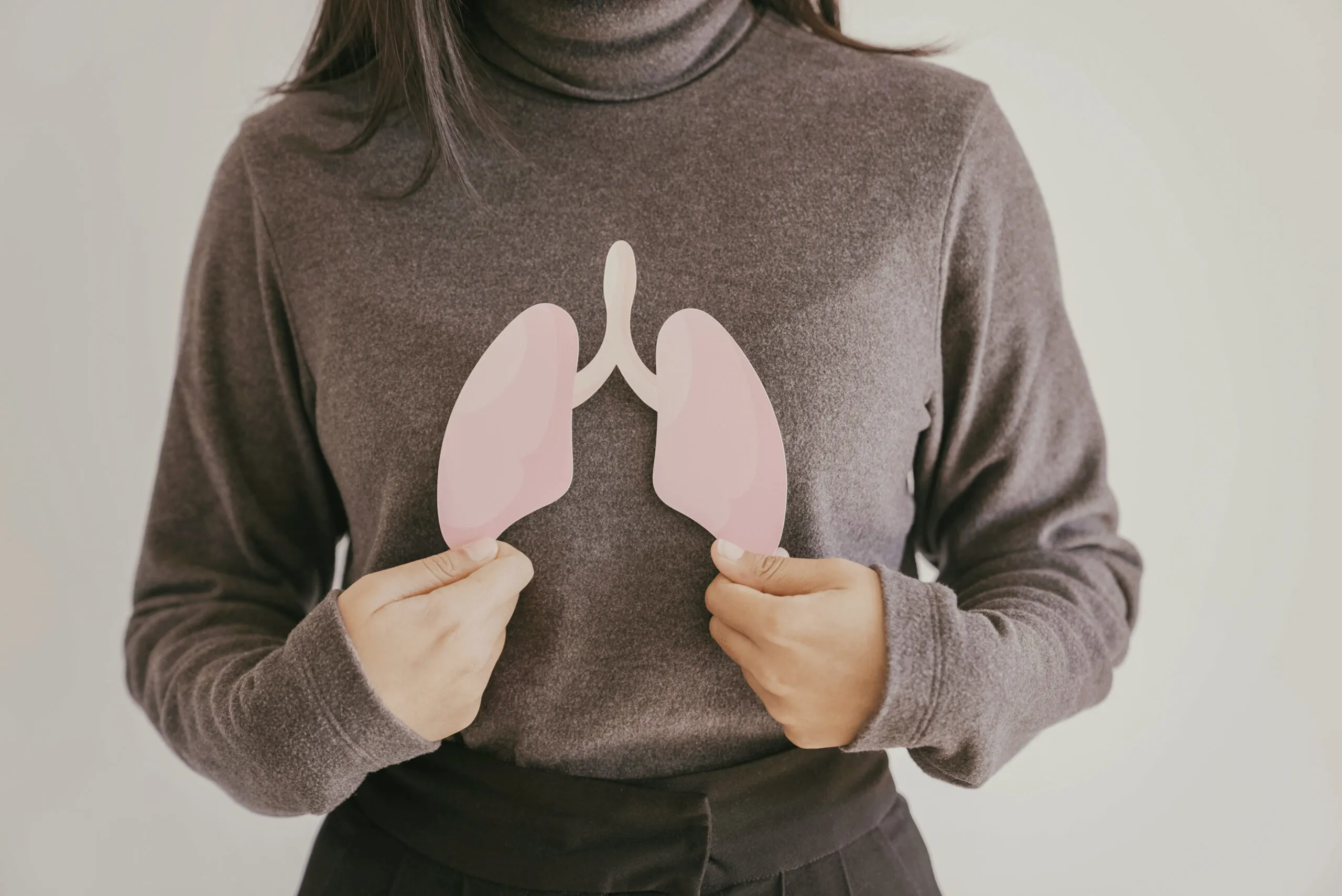

For years people thought ung cancer was mostly a man's problem. Now more women are dealing with lung cancer and the numbers have been going up steadily. This change is not sudden or mysterious. It is because of the way women live, work and spend their days. We, one of the best lung cancer treatment hospitals in hyderabad, suggest that understanding these patterns in words helps women make small decisions that fit into their real life instead of feeling overwhelmed.
Why is lung cancer risk going up for women?
Increased risk of lung cancer among women can be related to the shifts in the smoking patterns of women decades ago. More women began to smoke in the 1960s and 1970s when they entered offices, factories and social circles which used to be dominated by males. The damage from those years is showing up now because lungs take a time to react. Women are also living longer on average. There is simply more time for any quiet damage to appear. At the time doctors have better tools to spot problems earlier which means more lung cancer cases get counted. In homes women still handle most cooking and cleaning. Years of breathing cooking smoke in kitchens with airflow can quietly add up in the same way other fumes do. These everyday patterns, not one cause explain why the numbers look different for women today.
Does smoking affect women in a way?
Smoking remains the known factor but it can hit women's bodies a bit differently. A woman's lungs are generally smaller. The same amount of smoke travels through less space and touches more tissue. The tobacco chemicals also irritate the lining on the inside of the lungs of the women smokers and years later the small damage accumulates. Lots of women who smoke also inhale second hand smoke at home because of the smoking partners or family members. That extra exposure adds another layer without anyone lighting a cigarette themselves. The good news is the body of women who smoke starts repairing the moment they stop smoking. After years of smoking, quitting gives the lungs of women who smoke a chance to clear out some of the mess and lowers the chance of trouble later. One can never be too old to quit smoking. The slow reduction method of smoking is effective in many women who smoke, instead of quitting turkey when time is hectic.
What risks do non-smoking women face?
Plenty of women who never touched a cigarette still end up facing lung cancer chances. Secondhand smoke from family members or coworkers who smoke drifts into the lungs of smoking women day after day. There are places where the traffic or factories around cause some air pollution, which is collected in the house where women spend the majority of their time. Radon is another underdog and is a gas that comes up out of the ground and may accumulate in the basement or ground floor rooms and does not have any odor or color. Homes built on soil types hold more radon and simple test kits available at hardware stores can check levels in minutes. Family background can matter too; if close relatives of women had lung problems some shared traits might make the lungs of women more sensitive to air. Women employed in cleaning business, hairdressing or in small manufacturing enterprises occasionally inhale dust or heavy fumes that accumulate silently throughout a working life.
How do daily life choices influence lung health?
Busy days shape lung health more than most people realize. Long hours of stress keep the body on alert, which can weaken its cleanup systems over time. Eating canned fruits and vegetables will result in the absence of assistants helping to repair cells. Missing walks or light exercise prevents lungs to remain less flexible as a garden hose that has been long left kinked. Even simple household choices count. Strong cleaning sprays or certain perfumes used in bathrooms create fumes that linger. Opening windows for a minute each day or switching to cleaners can cut that extra load without changing a whole routine. Women often put their health last while caring for everyone but these tiny swaps fit right into normal life and give lungs a quieter break.
What should women look out for in their bodies?
The body usually sends signals before bigger lung cancer issues appear. Clues can be a cough, which lingers long after a cold has gone, breathlessness on climbing the stairs, or exhaustion that comes sooner than is normal. Other women can understand that they are losing weight, without any effort or feel pain in chest or back. Because women juggle roles these signs often get blamed on tiredness or aging. Paying attention and mentioning them at a check-up lets doctors look closer if needed. Catching lung cancer early usually means choices later on.
How are doctors helping women with lung cancer today?
When lung cancer is found treatment depends on how it is spotted and where it sits. Doctors might remove a spot with surgery if it has not spread. At times they use medicines that target the trouble spots while leaving healthy cells mostly untouched. Beams of energy can shrink lumps without cutting the body open. Newer approaches help the body's own defense system recognize and fight the cells. Women often worry about side effects. Doctors now pair treatments with better support so daily life can keep going as much as possible. The key is talking openly with the care team about what fits a woman's schedule and family needs.
Conclusion:
Understanding the increasing risk does not mean living in fear. It simply means seeing the patterns in life and making small steady choices that add up. Women already manage details for their families. Adding a bit of care for their lungs fits right in and can help them stay active and present, for the people who count on them. Awareness turns the numbers into something instead of overwhelming and that alone makes a real difference. You can find information and support at punarjanayurveda.com regarding cancer awareness.
REFERENCE LINKS:
https://www.news-medical.net/health/Lung-Cancer-in-Women-Understanding-the-Increasing-Risk.aspx
https://pmc.ncbi.nlm.nih.gov/articles/PMC5312492/
https://www.sciencedirect.com/science/article/pii/S1525730423002127
https://www.brownhealth.org/be-well/lung-cancer-and-its-increase-women



























Sign in to leave a comment.