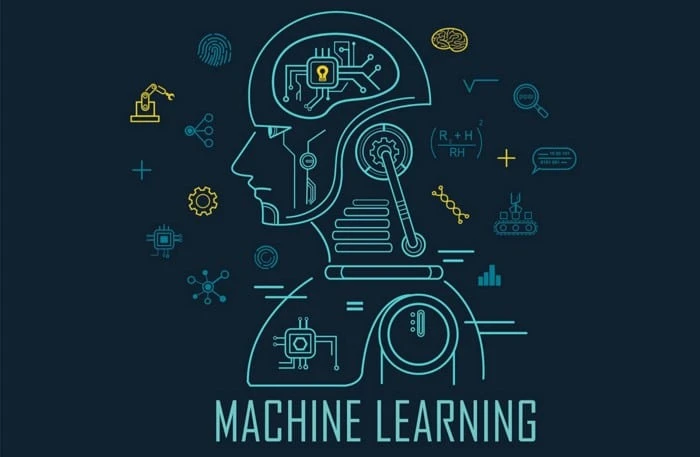

How do machine learning algorithms work? Which algorithms are the most effective? Which ones should you use to accomplish your goals? This article will answer all of these questions, using an easy-to-understand overview of machine learning algorithms, as well as practical examples of when to use each algorithm. You’ll learn about each algorithm’s strengths and weaknesses, and you’ll be able to make informed decisions about which ones to try on your projects.
The Prominence Of Machine Learning In 2022
In 2016, an estimated 9 billion dollars has been invested by firms and companies in order to attract machine learning development services. While there are some high-end machine learning tools that can help a firm enhance its workflow in a more efficient manner, firms often have issues understanding its very basics. This is because working with a machine learning development company needs a certain amount of expertise which not all firms possess.
Types of Machine Learning Algorithms
Machine learning development companies can employ a variety of algorithms to create powerful predictive models. Most algorithms fall into one of three broad categories: supervised, unsupervised, and reinforcement. As you read about each category below, keep in mind that all algorithms are a form of machine learning. While we will focus on supervised machine learning in our discussion here, understanding other types is important as well.
- Supervised Machine Learning Algorithms
The most common type of Machine Learning Algorithm is supervised. This means that there are already labels available to train your system with. For example, if you wanted to categorize email messages into spam and non-spam emails, you would need to train your algorithm by providing it with thousands of labeled emails. Once complete, you can then use those same algorithms on unlabeled emails, and it will be able to categorize them automatically!
Also Read: Machine Learning App Ideas 2022
- Unsupervised Machine Learning Algorithm
An unsupervised machine learning algorithm can derive patterns in data without being given an explicit goal. An example of an unsupervised machine learning algorithm is a clustering algorithm, which organizes unlabeled data based on similarities between variables and observations. Clustering algorithms are used to discover hidden structures in data, such as market segments or marketing niches. This can be done by grouping data into clusters that have similar characteristics; such clusters may also be referred to as communities or classes.
- Semi-Supervised Machine Learning Algorithm
Supervised learning algorithms can learn from labeled data, but semi-supervised machine learning algorithms are a specific class of supervised learning algorithms that use unlabeled data to guide their classification models. This type of algorithm is especially useful when you’re working with incomplete or partial datasets. With a semi-supervised machine learning algorithm, you train it using both labeled and unlabeled datasets; then it uses its knowledge of those two types of datasets to help it classify new data that falls into one or more categories.
Want to read more about it? Read here:
#HireMachineLearningexperts #MachineLearningDevelopmentServices #MachineLearningCompanies #MachineLearningDevelopmentServicesIndia #HireMachineLearningDevelopers #AIDevelopmentCompany #HireAIDevelopers










Sign in to leave a comment.