

Introduction
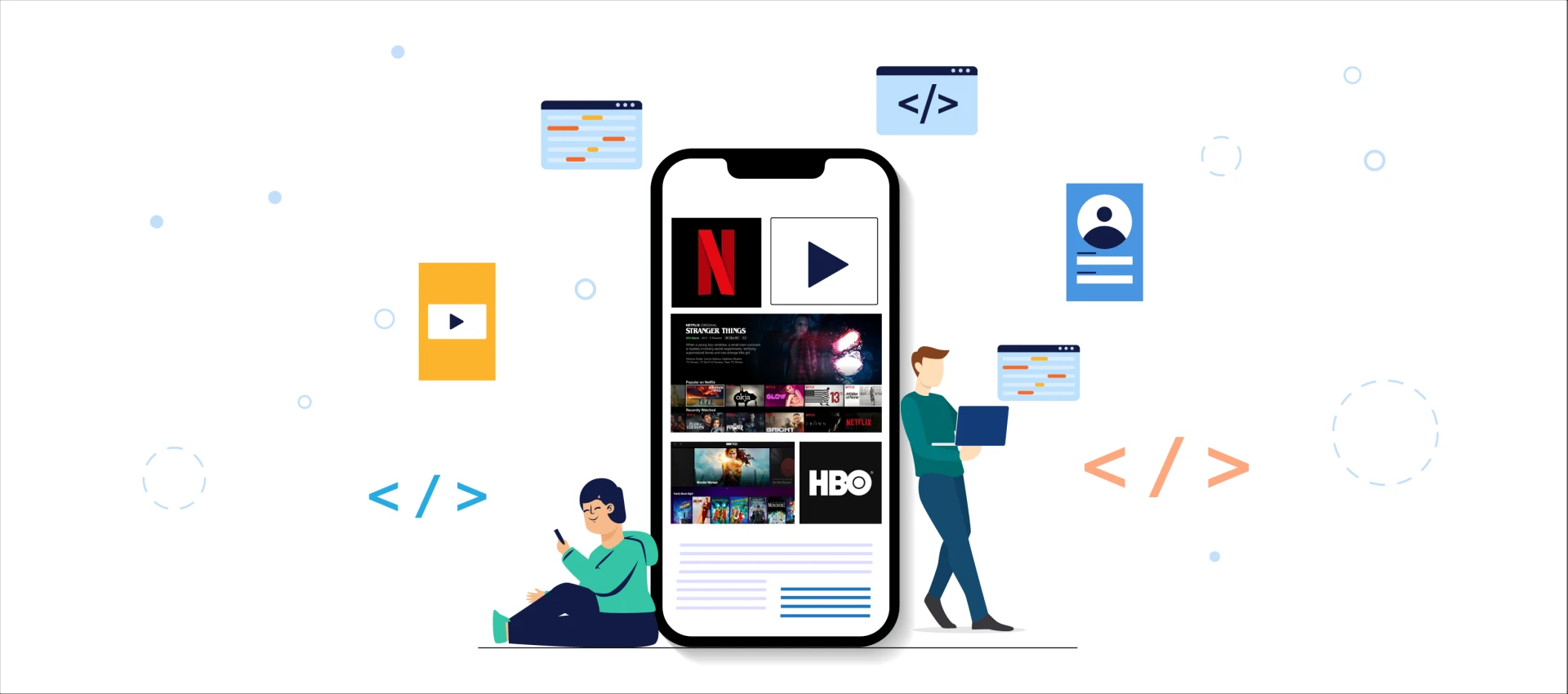
Machine learning has transformed the way smartphone app development companies offer personalized experiences to their users. Among these, companies like Netflix and Spotify have mastered the art of leveraging machine learning algorithms to provide better recommendations to their users. This article delves into the methods employed by Netflix and Spotify to deliver personalized content and how these practices have set new standards for recommendation systems in the digital era.
Understanding the Power of PersonalizationIn today's world, where content is abundant, users seek personalized recommendations to save time and discover relevant content effortlessly. Personalization not only enhances user satisfaction but also increases user engagement, retention, and overall app usage. This is where machine learning plays a pivotal role.
Netflix's Recommendation EngineNetflix is a pioneer in using machine learning to improve recommendations. The company's recommendation engine relies on various data sources to analyze user behavior and preferences continually. Key factors include user viewing history, watch time, genre preferences, ratings, and interactions on the platform. Netflix combines this data with advanced machine learning algorithms, such as collaborative filtering and content-based filtering, to generate personalized recommendations.
Collaborative FilteringCollaborative filtering is a popular recommendation technique that identifies patterns among users with similar interests. It analyzes the actions of multiple users and suggests content based on what similar users have watched or liked. By leveraging collaborative filtering, Netflix can recommend movies and TV shows that align with each user's interests.
Content-Based FilteringContent-based filtering, on the other hand, focuses on the attributes of the content itself. For example, Netflix analyzes the genre, director, cast, plot, and other elements of a movie or show to recommend similar content to users who have previously enjoyed similar attributes.
Spotify's Personalized PlaylistsSimilar to Netflix, Spotify also employs machine learning to offer personalized playlists to its users. The platform collects data on user listening habits, including favorite artists, genres, skip rates, and playlists created. This data is then fed into machine learning algorithms to create personalized playlists like "Discover Weekly" and "Daily Mixes."
Deep Learning and Neural NetworksBoth Netflix and Spotify are investing in deep learning and neural networks to improve their recommendation systems further. These advanced algorithms can analyze vast amounts of data and identify intricate patterns that traditional algorithms might miss. By adopting deep learning, they can deliver more accurate and detailed recommendations to their users.
Contextual RecommendationsTo enhance user experience, both platforms focus on contextual recommendations. This means considering the time of day, day of the week, location, and other factors to deliver content that suits the user's current situation. For instance, Spotify may recommend energetic workout playlists during mornings and relaxing music for evenings.
A/B Testing and Continuous ImprovementOne of the secrets behind Netflix and Spotify's success in recommendations is their commitment to continuous improvement. They conduct rigorous A/B testing to evaluate the performance of different recommendation algorithms and fine-tune their models based on user feedback. This iterative approach allows them to optimize their algorithms continuously.
Overcoming Challenges and Ethical ConsiderationsWhile machine learning-driven recommendations offer immense benefits, there are challenges and ethical considerations to address. Ensuring data privacy and avoiding algorithmic biases are critical aspects that Netflix and Spotify, among other mobile app development companies, must navigate carefully.
Conclusion
In the world of mobile app development, machine learning has emerged as a game-changer for personalized recommendations. Netflix and Spotify stand out as shining examples of how to do it right. By harnessing the power of machine learning algorithms like collaborative filtering, content-based filtering, deep learning, and neural networks, these companies have set the benchmark for delivering personalized and engaging content to their users.









Sign in to leave a comment.