

In today's interconnected world, language is no longer a barrier but a bridge that connects people and cultures. Whether you're a business in need of translation agency UK services, a student seeking academic support, or an individual looking to communicate across language barriers, translation plays a pivotal role in breaking down these obstacles. When it comes to translation, two main methods stand out: Machine Translation (MT) and Human Translation (HT). In this article, we will delve into the pros and cons of both approaches, shedding light on which might be the better choice for your specific needs. Let's embark on this linguistic journey!
Translation is the key to breaking language barriers, but the method you choose can make a significant difference in the quality and accuracy of the final result. Machine Translation and Human Translation are two prominent options, each with its strengths and weaknesses.
Machine Translation (MT)
How Does Machine Translation Work?
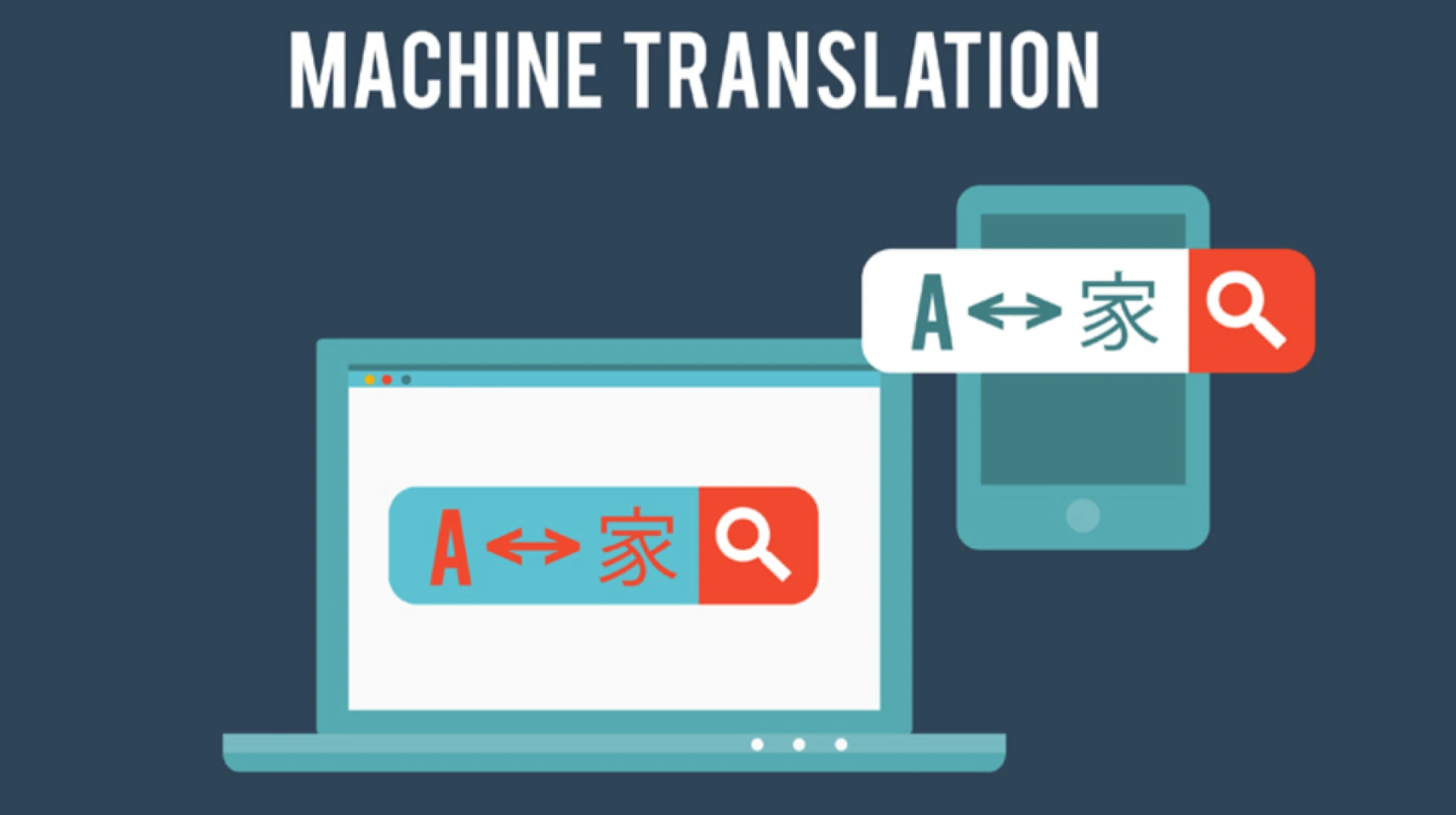
Machine Translation relies on algorithms and artificial intelligence to automatically translate text from one language to another. It uses vast databases and complex statistical models to generate translations.
Pros of Machine Translation
Speed: MT is incredibly fast, capable of translating large volumes of text in seconds.Cost-Effective: It can be more budget-friendly for simple, repetitive translations.Consistency: MT maintains a consistent tone and style throughout the text.Cons of Machine Translation
Accuracy: MT can struggle with context, leading to inaccuracies.Idioms and Nuances: It often fails to grasp idiomatic expressions and cultural nuances.Lack of Creativity: MT lacks the ability to adapt to creative or complex content.Human Translation (HT)
The Art of Human Translation
Human Translation involves skilled linguists who possess a deep understanding of both the source and target languages. They rely on their expertise and cultural knowledge to provide accurate translations.
Pros of Human Translation
Precision: HT ensures the highest level of accuracy, especially for complex texts.Contextual Understanding: Human translators can capture the context and cultural subtleties.Customization: They can tailor translations to suit specific audiences or industries.Cons of Human Translation
Time-Consuming: Human translation takes more time, especially for extensive documents.Higher Costs: It is usually more expensive than MT due to the expertise involved.Subjectivity: Translations may vary slightly based on the translator's interpretation.When to Choose Machine Translation
Machine Translation is suitable for:
Quick, straightforward translations.Gisting or getting a general idea of content.Budget-conscious projects with tight deadlines.
When to Choose Human Translation
Human Translation is the preferred choice for:
Legal, medical, and technical documents that require precision.Marketing and creative content to maintain the intended impact.Anything with cultural or contextual nuances.
Conclusion
In end, whether or not you pick out Machine Translation or Human Translation, each methods have their location within the global of language services. Understanding the pros and cons of each will help you make an informed selection that aligns along with your specific translation desires. So, embark in your linguistic journey with confidence, knowing which you've selected the proper path to bridge language gaps and hook up with the arena.
FAQs
Q1. Can Machine Translation ever replace Human Translation entirely?
A1. While MT has made significant strides, it can't match the depth of understanding and cultural nuances that HT provides. Certain contexts will always require human expertise.
Q2. Is Machine Translation getting better over time?
A2. Yes, with advancements in AI and machine learning, MT continues to improve. However, it still faces challenges in complex translations.
Q3. How do I choose the right translation method for my project?
A3. Evaluate the content complexity, budget, and desired quality. For critical documents, opt for Human Translation.
Q4. Can MT and HT be used together?
A4. Yes, a hybrid approach is often used. MT can provide a rough translation, which a human translator can then refine for accuracy.
Q5. What are the risks of relying solely on Machine Translation?
A5. The main risks include inaccuracies, loss of context, and potential miscommunication, especially in sensitive or critical content.
In conclusion, whether you choose Machine Translation or Human Translation, both methods have their place in the world of language services. Understanding the pros and cons of each will help you make an informed decision that aligns with your specific translation needs. So, embark on your linguistic journey with confidence, knowing that you've chosen the right path to bridge language gaps and connect with the world.







Sign in to leave a comment.