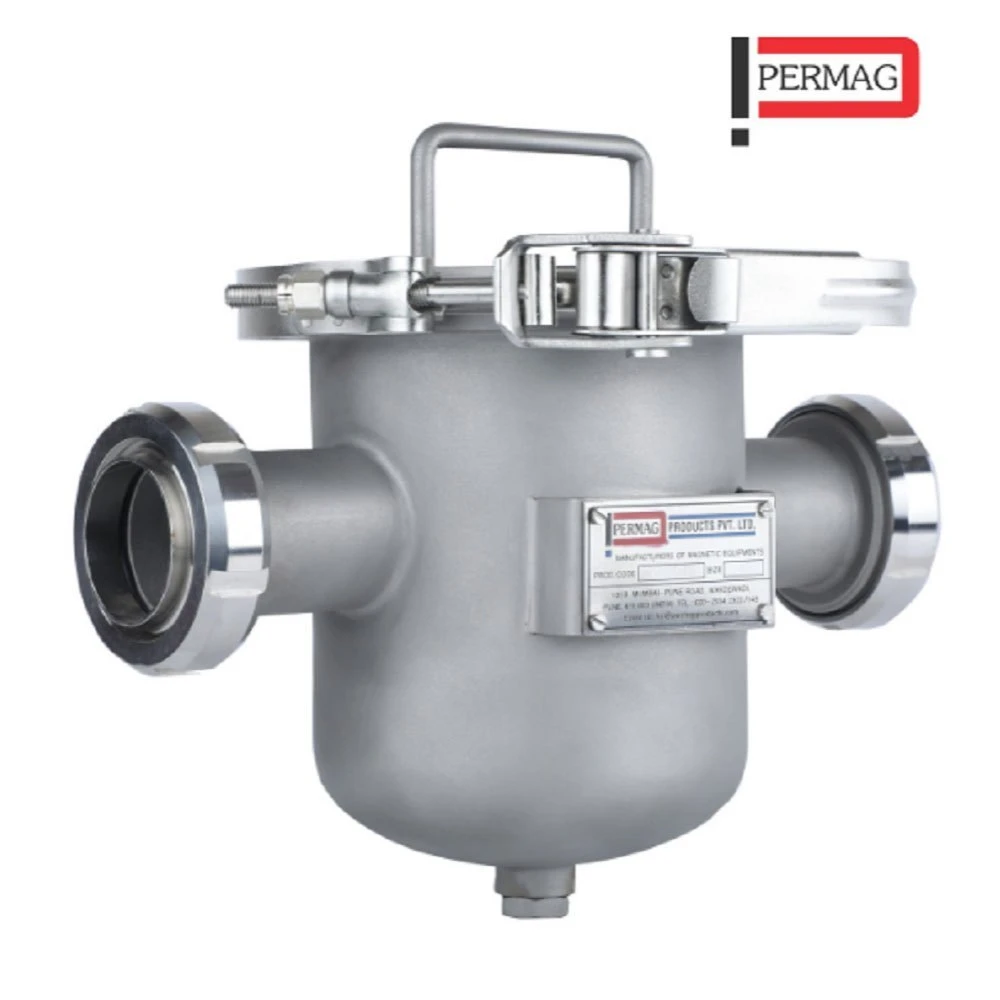

Magnetic filter are an essential part of many industrial processes, helping to remove unwanted particles and contaminants from liquids and gases. They are widely used in a variety of industries, including oil and gas, water treatment, and food and beverage production. However, like any piece of equipment, magnetic filter can sometimes experience issues that need to be addressed to keep them working efficiently. In this blog, we will explore some common issues with magnetic filter and how to fix them.
Insufficient Filtration
One of the most common issues with magnetic filter is that they may not provide sufficient filtration, allowing particles and contaminants to pass through the filter. This can be caused by a number of factors, including a clogged filter or inadequate magnetic strength.To address this issue, the first step is to inspect the filter and determine whether it is clogged with debris or other materials. If the filter is dirty, it should be cleaned or replaced as necessary. Additionally, it is important to ensure that the magnetic strength of the filter is adequate for the particles being filtered. If the magnet is not strong enough, it may be necessary to replace it with a stronger magnet or add additional magnets to the filter.
Leaks
Another common issue with magnetic filter is that they may develop leaks, allowing fluid to bypass the filter and contaminate the process stream. This can be caused by a number of factors, including a damaged or worn gasket or seal, or a misaligned or improperly installed filter.To address this issue, it is important to inspect the filter and gasket or seal to identify any damage or wear. If the gasket or seal is damaged, it should be replaced. Additionally, it is important to ensure that the filter is properly aligned and installed according to the manufacturer's specifications. If the filter is not properly aligned, it may be necessary to reposition it or add additional support to ensure that it stays in place.
Reduced Flow Rate
Another common issue with magnetic filter is a reduced flow rate, which can be caused by a number of factors, including a clogged filter or a damaged or worn pump.To address this issue, the first step is to inspect the filter and pump to identify any damage or wear. If the pump is damaged or worn, it should be replaced. Additionally, if the filter is clogged, it should be cleaned or replaced as necessary. It is also important to ensure that the filter is properly sized for the flow rate of the process stream. If the filter is too small, it may be necessary to upgrade to a larger filter.
Magnet Damage
Another common issue with magnetic filter is damage to the magnets themselves, which can occur over time due to exposure to corrosive or abrasive materials.To address this issue, it is important to inspect the magnets regularly to identify any signs of damage or wear. If the magnets are damaged, they should be replaced. Additionally, it may be necessary to upgrade to a higher-quality magnet that is more resistant to corrosion and abrasion.
Improper Maintenance
Finally, one of the most common issues with magnetic filter is simply a lack of proper maintenance. Like any piece of equipment, magnetic filter require regular maintenance to keep them working efficiently.To address this issue, it is important to develop and implement a regular maintenance schedule that includes cleaning, inspection, and replacement of worn or damaged components. Additionally, it is important to ensure that all maintenance is performed by qualified personnel who are familiar with the equipment and its operation.
In conclusion, magnetic filter are an important part of many industrial processes, and it is important to address any issues promptly to ensure that they continue to work efficiently. By following the tips and strategies outlined in this blog, you can help to identify and fix common issues with magnetic strainer filter, keeping your equipment running smoothly and minimizing the risk of costly downtime and production delays. It is also important to work closely with the manufacturer of the magnetic filter to ensure that you are using the appropriate filter for your specific application, and to obtain guidance on proper installation and maintenance.
In addition to the issues discussed above, there are other factors that can affect the performance of magnetic filter, such as the size and shape of the particles being filtered, the viscosity of the fluid, and the flow rate of the process stream. It is important to consider all of these factors when selecting and installing a magnetic filter to ensure that it will be effective in removing contaminants from your process stream.
Overall, magnetic filter are a valuable tool for removing unwanted particles and contaminants from liquids and gases in industrial processes. By understanding the common issues that can arise with magnetic filter and how to address them, you can ensure that your equipment continues to work efficiently, maximizing production and minimizing downtime.
PERMAG Products is a leading supplier of liquid magnet trap, and we are committed to providing our customers with the highest quality products available on the market. Thanks to our state-of-the-art manufacturing process, we are able to produce magnetic rods that meet the most stringent quality standard.



























Sign in to leave a comment.