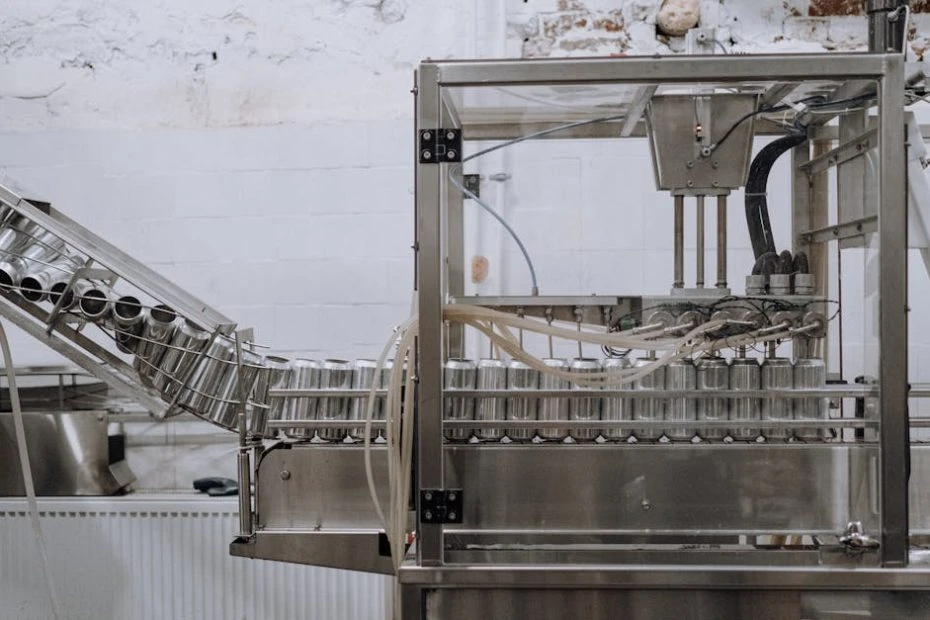

Mining operations deal with some of the toughest conditions any industrial equipment will ever face. Abrasive materials, extreme throughputs, and remote locations all push standard machinery past its limits. Magnetic technology built for these environments plays a critical role in protecting equipment and boosting mineral recovery rates across the entire processing chain.
How Raw Minerals Get Processed
Ore straight from the ground is a messy mix of valuable minerals and waste rock. Getting the good stuff separated from everything else takes multiple processing stages, and magnetic properties of certain materials make that separation possible in ways other methods cannot match.
Iron ore beneficiation relies on magnetic separation to concentrate iron-bearing minerals from surrounding waste. Low-grade ores that would otherwise sit untouched become economically viable once processing strips away enough of the unwanted material. This opens up deposits that traditional methods would write off entirely.
On the fuel side, coal beneficiation raises the quality of coal by pulling out impurities. Ash-forming minerals and other contaminants get separated from coal through several techniques, including magnetic processing of associated materials. Cleaner coal burns more efficiently and meets stricter quality standards demanded by buyers.
Dry Processing As An Alternative
Wet processing needs water, and water costs money. It also creates environmental obligations around tailings storage and discharge permits. Dry alternatives cut those concerns out of the equation where the material allows it.
A dry magnetic separator handles materials without any water addition at all. Material feeds through by gravity or air flow, passing through magnetic fields where the separation happens. The result is a cleaner process with fewer waste streams to manage.
This approach works particularly well in arid regions where water scarcity limits what operations can realistically achieve. It also suits materials that break down when exposed to water or that need to move straight into downstream processing steps that cannot handle wet feed.
Recovering Specialized Minerals
Not every mineral responds the same way to magnetic fields. Some require equipment designed specifically for their unique characteristics, because generic separators simply lack the precision needed for decent recovery rates.
The ferrochrome magnet is a good example of this specialization. Built specifically for ferrochrome recovery from slag and other sources, this equipment maximizes the capture of valuable chromium-bearing material that would otherwise end up in waste piles.
Getting the right match between equipment and mineral type improves both recovery percentages and concentrate quality. Specialized designs take into account particle sizes, how strongly different materials respond to magnetic fields, and other characteristics that vary from one mineral to another. Think of it like choosing the right fishing net for the right fish — mesh size matters.
Moving Bulk Materials Around A Mine
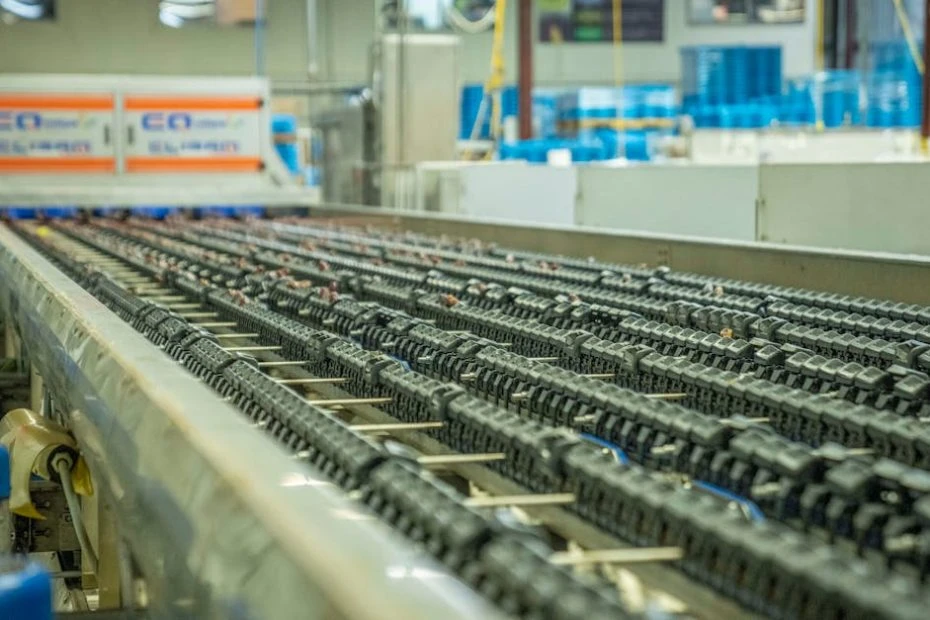
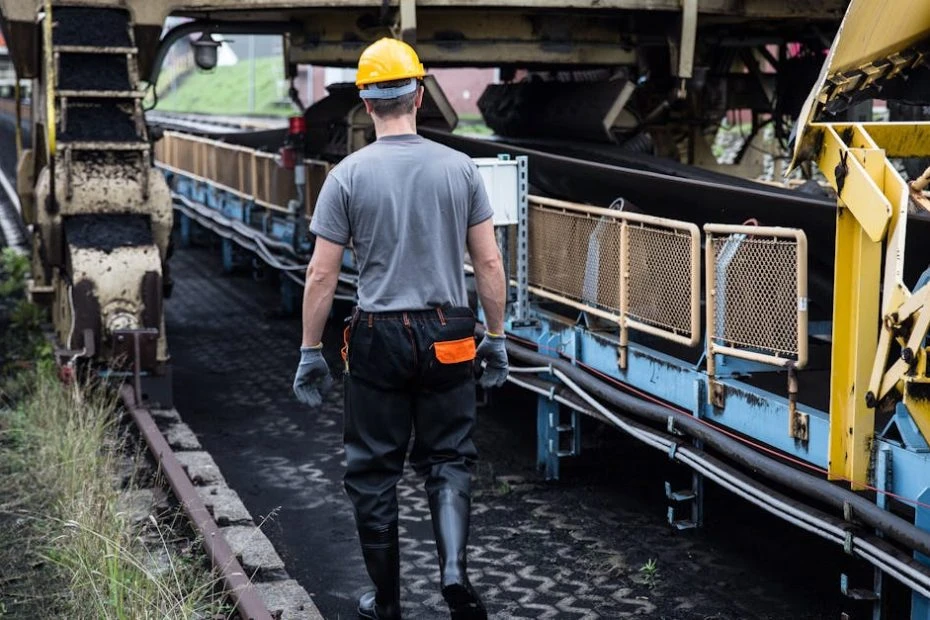
Belt systems transport millions of tons of material every year at a typical mine site. That kind of volume demands equipment that holds up under constant punishment, and the stakes for breakdowns are high when the whole operation depends on material flow.
Material handling magnets fill several roles in these transport systems. They protect belt components from damage, pull tramp metal out of the material stream, and help with specific processing tasks along the way.
Mining magnets are built to survive conditions that would destroy standard equipment within weeks. Dust infiltration, physical impact from falling material, and round-the-clock operation all demand heavy-duty construction from end to end. Downtime on a mine site costs thousands per hour, so reliability is not optional.
Overhead Separation Systems
Belts carrying ore often need protection from above. Suspended separators position magnetic fields right where they can intercept contamination before it reaches vulnerable equipment downstream.
A suspended conveyor magnet hangs directly over the belt, pulling tramp metal upward and out of the material stream. Self-cleaning versions go a step further by discharging captured metal automatically, so the system runs without manual intervention.
The suspended magnetic separator design fits into existing setups without requiring major structural changes. Retrofit installations add protection to belt systems that were originally built without magnetic separation, which means operations can upgrade their contamination control without tearing anything apart.
Getting Tramp Metal Out Of The System
Tramp metal sneaks into processing streams from all directions. Broken equipment parts, maintenance debris, and contaminated feed material all contribute stray metal that wreaks havoc on crushers, screens, and other downstream equipment. A single bolt in the wrong place can shut down a crusher for hours.
A tramp magnet catches this debris before it reaches anything expensive. Positioning these units upstream of vulnerable equipment gives the best possible protection, acting like a security checkpoint for the entire material flow.
Tramp metal magnets handle the full range of objects found in mining environments. Liner bolts, drill steel fragments, broken wear parts, and random scrap metal all get pulled from the stream by properly designed and positioned units. The variety of debris sizes and shapes means the magnetic field strength and coverage area both need careful specification.
Choosing The Right Equipment
Mining applications vary enormously from one site to the next. Open pit operations look nothing like underground mines. Hard rock processing differs completely from alluvial operations. Equipment selection has to account for the specific conditions at each site rather than relying on one-size-fits-all solutions.
Throughput capacity is the first consideration in high-volume operations. Undersized equipment creates bottlenecks that slow everything down, while oversized units waste capital that could go elsewhere. Proper sizing means matching equipment capability to actual material flow requirements, factoring in peak loads and planned expansions.
Maintenance access also affects total ownership costs more than most people expect. Equipment placed where service technicians can reach it easily costs far less to maintain over its lifetime than identical units bolted into awkward positions. Smart installation planning considers ongoing maintenance needs from day one.
Environmental Factors In Equipment Selection
Mining faces growing environmental oversight, and equipment choices affect environmental performance in both direct and indirect ways. Selecting the right magnetic separation setup can make a real difference to a site’s environmental footprint.
Dry processing cuts water usage and removes the need for tailings ponds entirely. Where material properties allow it, dry magnetic separation delivers meaningful improvements to a site’s environmental profile without sacrificing processing performance.
Energy consumption varies between different equipment types and manufacturers. Lower energy use reduces operating costs and shrinks carbon output at the same time. Newer designs tend to outperform older technology by significant margins, making upgrades worth evaluating even when existing equipment still functions.
Supporting The Broader Operation
Beyond primary processing, magnetic equipment supports a range of other functions across a mine site. Maintenance workshops, testing laboratories, and secondary material handling systems all benefit from appropriate magnetic solutions.
Protecting secondary equipment extends its useful life by years in many cases. Belt systems feeding auxiliary facilities deserve the same contamination control as primary processing lines, because a breakdown in a secondary system still disrupts the overall operation.
Laboratory sample preparation sometimes calls for magnetic separation at a smaller scale. Compact equipment provides the capabilities needed for testing and grade analysis without the footprint or cost of full-scale processing units.
Equipment that matches the specific demands of each mining application protects primary production assets while squeezing more value out of every ton of material processed. Both outcomes feed directly into the bottom line.


























Sign in to leave a comment.