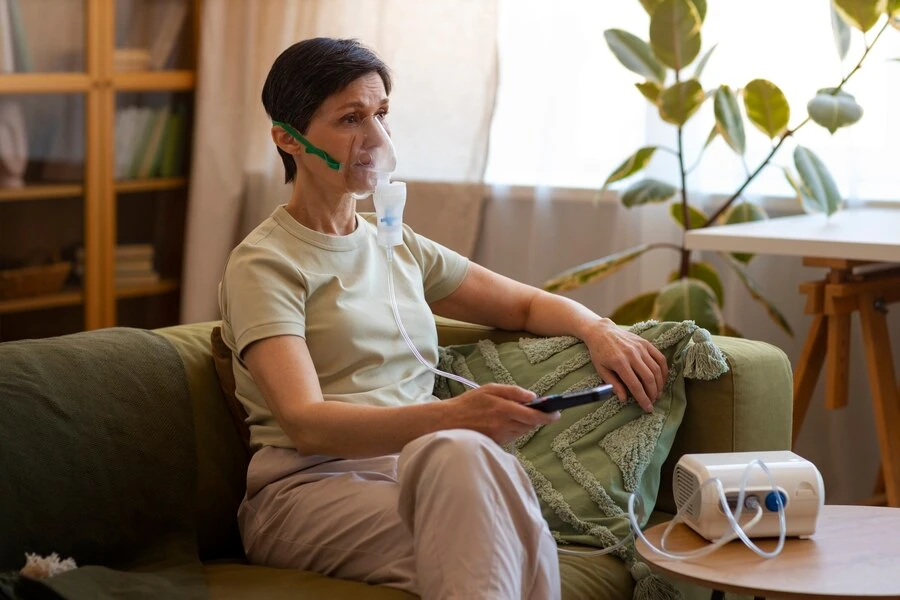

Home Oxygen Concentrator plays a crucial role in improving the quality of life for individuals with respiratory conditions. These devices provide a continuous supply of oxygen, enabling patients to manage their conditions and lead fulfilling lives from the comfort of their homes. In this comprehensive guide, we will explore everything you need to know about home oxygen concentrators, including how they work, their benefits, key features, and maintenance tips.
Understanding Home Oxygen Concentrators
Home oxygen concentrators are medical devices designed to extract oxygen from the surrounding air and deliver it to individuals who require supplemental oxygen therapy. Unlike oxygen tanks, which require refilling, concentrators draw in ambient air, filter out nitrogen, and deliver purified oxygen through a nasal cannula or mask.
Key Features Of Home Oxygen Concentrators
Oxygen Flow Rate: Home concentrators offer adjustable oxygen flow rates to accommodate individual needs and prescribed levels.
Portability: While most concentrators are designed for home use, there are portable models available for travel and outdoor activities.
Continuous Operation: Home concentrators provide a continuous supply of oxygen, ensuring uninterrupted therapy throughout the day and night.
Noise Level: Modern concentrators operate quietly, minimizing disruption to daily activities and promoting better sleep quality.
Oxygen Purity: Concentrators deliver oxygen with high purity levels, typically between 87% and 95%, meeting medical standards for therapy.
Maintenance Tips for Home Oxygen Concentrators
Regular Cleaning: Clean the external surfaces, filters, and tubing of the concentrator regularly using mild soap and water to prevent dust buildup and maintain hygiene.
Filter Replacement: Replace the intake and outlet filters according to the manufacturer's recommendations to ensure proper airflow and oxygen purity.
Proper Ventilation: Ensure proper ventilation around the concentrator to prevent overheating and maintain optimal performance.
Routine Inspections: Conduct routine inspections of the concentrator for any signs of wear, damage, or malfunction, and promptly address any issues to prevent disruptions in therapy.
Professional Servicing: Schedule regular servicing and maintenance checks with a qualified technician to ensure the concentrator is functioning correctly and address any potential issues proactively.
Conclusion
Home Oxygen Concentrator is indispensable devices for individuals requiring supplemental oxygen therapy. With their advanced features, convenience, and benefits, concentrators empower patients to manage their respiratory conditions effectively and maintain a high quality of life at home. By understanding how these devices work, their key features, and maintenance requirements, patients and caregivers can make informed decisions and ensure optimal outcomes in oxygen therapy.




























Sign in to leave a comment.