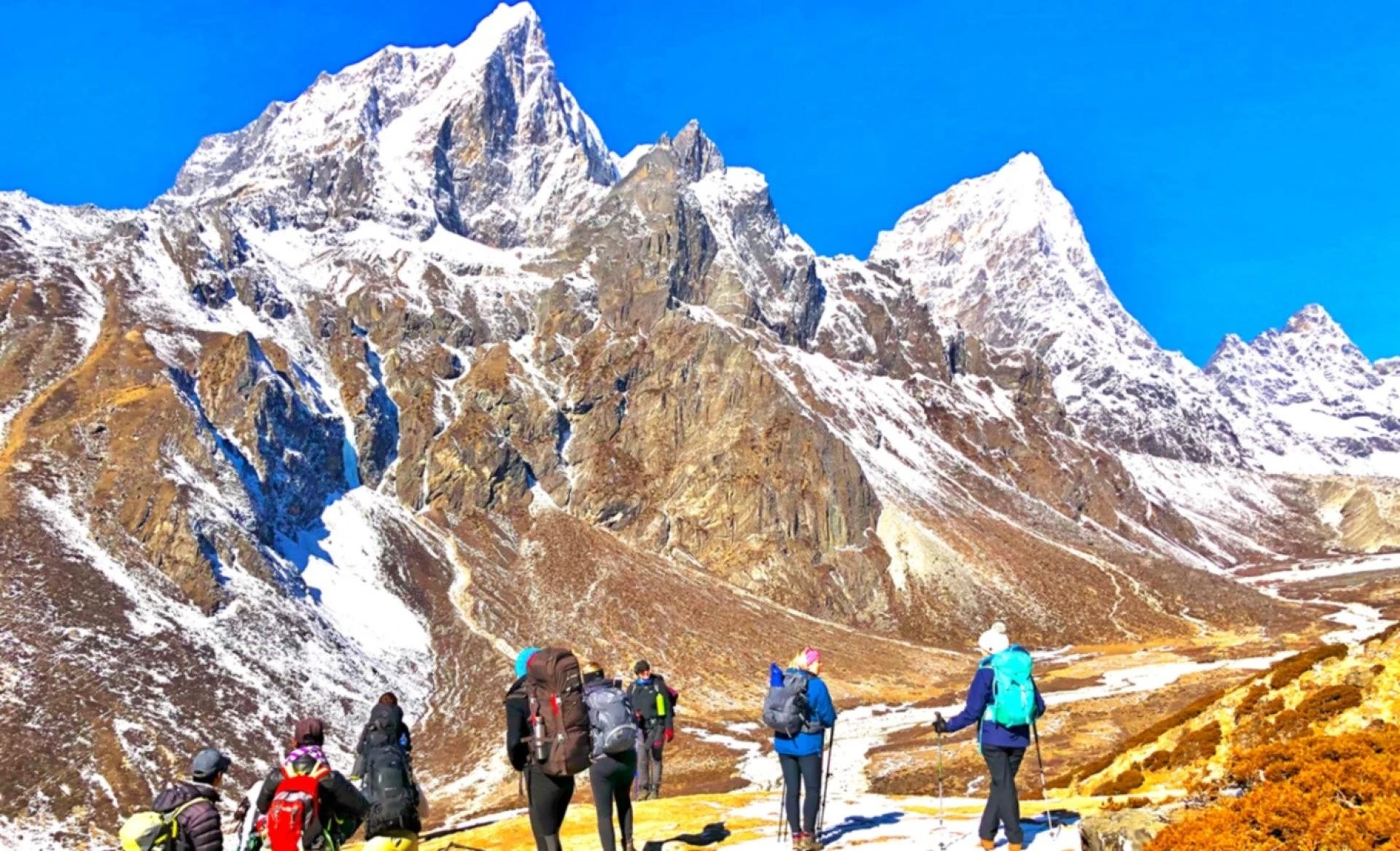

Makalu Base Camp trek is one of the most challenging yet rewarding treks in Nepal. Located in the eastern part of the country, Makalu Base Camp offers stunning views of the world\'s fifth highest peak, Mount Makalu (8,485 meters), as well as other majestic peaks in the region. This trek takes you through diverse landscapes, including lush forests, remote villages, alpine meadows, and high mountain passes, providing a truly unforgettable experience for adventure seekers.
Highlights of Makalu base camp trekking
The Makalu Base Camp trek is filled with breathtaking highlights that make it a truly unforgettable adventure. Here are some of the key highlights of the trek:
Mount Makalu: The primary highlight of the trek is undoubtedly the opportunity to witness the majestic Mount Makalu up close. Standing at 8,485 meters, it dominates the skyline with its snow-capped peak, offering mesmerizing views throughout the trek.
Remote and Untouched Wilderness: Unlike some of the more popular trekking routes in Nepal, the Makalu Base Camp trek remains relatively untouched and remote. Trekking through pristine forests, isolated villages, and rugged terrain, you\'ll experience the raw beauty of the Himalayas away from the crowds.
Varied Landscapes: The trek takes you through a diverse range of landscapes, from lush lowland forests to high-altitude alpine meadows. You\'ll pass by roaring rivers, cascading waterfalls, and verdant valleys, each offering its own unique charm.
Cultural Immersion: Along the way, you\'ll have the opportunity to interact with the local communities living in the remote villages of the Makalu region. Experience the warm hospitality of the Sherpa, Rai, and other ethnic groups, learn about their traditional way of life, and immerse yourself in their rich cultural heritage.
Challenges of High Altitude: Trekking to Makalu Base Camp presents a significant physical challenge due to the high altitude and rugged terrain. Crossing mountain passes, navigating rocky trails, and acclimatizing to the thin air add an element of adventure and achievement to the journey.
Panoramic Views: From various vantage points along the trekking route, you\'ll be rewarded with panoramic views of some of the world\'s highest peaks, including Everest, Lhotse, and Kanchenjunga. The stunning vistas of snow-capped mountains, deep valleys, and glaciers make every step of the journey worthwhile.
Makalu Barun National Park: The trek passes through the pristine wilderness of Makalu Barun National Park, a biodiversity hotspot home to a wide range of flora and fauna. Keep an eye out for rare wildlife species such as the red panda, snow leopard, Himalayan tahr, and various bird species.
Sense of Accomplishment: Finally, reaching Makalu Base Camp itself is a moment of triumph and accomplishment. Standing at the foot of the towering Mount Makalu, surrounded by the grandeur of the Himalayas, you\'ll feel a profound sense of awe and gratitude for the beauty of nature and the resilience of the human spirit.
Best Time to Trek: Makalu Base Camp Trekking
The best time to trek to Makalu Base Camp is during the spring and autumn seasons. Specifically, the optimal months for trekking are from March to May and from September to November.
Spring (March to May): This season offers mild temperatures, clear skies, and blooming rhododendrons, making it an excellent time for trekking. The trails are colorful with vibrant flowers, and the weather is generally stable, providing excellent visibility of the surrounding mountains.
Autumn (September to November): Another ideal time for trekking, autumn in Nepal brings crisp air, clear skies, and stunning views of the Himalayas. The monsoon rains have cleared the air, offering unparalleled visibility, while the weather remains dry and comfortable for trekking.
During both spring and autumn, you can expect moderate temperatures during the day, with colder nights at higher altitudes. These seasons also coincide with the peak trekking months in Nepal, so you\'ll likely encounter fellow trekkers along the route, adding to the sense of camaraderie and adventure.
While trekking during the monsoon season (June to August) is possible, it\'s not recommended due to heavy rainfall, slippery trails, and potential leech encounters. Likewise, trekking in winter (December to February) presents challenges such as cold temperatures, snowfall, and limited visibility, especially at higher elevations.
Ultimately, choosing the best time to trek to Makalu Base Camp depends on your preferences, experience level, and availability. Spring and autumn offer the most favorable conditions for a memorable and enjoyable trekking experience amidst the stunning landscapes of the Himalayas.
Trekking Difficulty in Makalu base Camp Trek Route
The trek to Makalu Base Camp is considered to be strenuous and challenging due to several factors:
High Altitude: The trek involves ascending to high altitudes, with Makalu Base Camp situated at 4,870 meters above sea level. Altitude sickness can be a concern, and proper acclimatization is essential to minimize the risk.
Long Duration: The trek typically takes around 15 to 18 days round trip, covering a considerable distance through diverse terrain. Trekking for extended periods can be physically demanding, requiring endurance and stamina.
Rugged Terrain: The trail to Makalu Base Camp traverses varied terrain, including steep ascents, rocky paths, and narrow mountain trails. Some sections may be challenging, especially when Crossing Mountain passes and negotiating uneven terrain.
Weather Conditions: Weather in the Himalayas can be unpredictable, with conditions ranging from hot and sunny to cold and snowy, depending on the season. Trekkers may encounter rain, snow, wind, and fluctuations in temperature, requiring appropriate gear and preparation.
Limited Facilities: The trekking route passes through remote and isolated areas with limited facilities. Accommodation in teahouses/guesthouses may be basic, and amenities such as electricity and hot water may not always be available. Trekkers should be prepared for rustic living conditions.
Physical Fitness: Trekking to Makalu Base Camp requires a reasonable level of physical fitness and endurance. Trekkers should be able to walk for several hours each day, carry a backpack with essential gear, and cope with the demands of high-altitude trekking.
Despite these challenges, the trek to Makalu Base Camp is incredibly rewarding, offering breathtaking scenery, cultural immersion, and a sense of accomplishment. With proper preparation, including physical training, acclimatization, and adequate gear, trekkers can overcome the difficulties and enjoy an unforgettable adventure in the Himalayas. It\'s essential to listen to your body, pace yourself, and take necessary precautions to ensure a safe and enjoyable trekking experience.
Accommodation and Facilities:
Accommodation and facilities along the Makalu Base Camp trekking route primarily consist of teahouses, guesthouses, and camping options in some areas. Here\'s what you can expect in terms of accommodation and facilities:
Teahouses/Guesthouses: Along the trekking route, there are numerous teahouses and guesthouses run by local families. These establishments offer basic lodging accommodations in the form of shared rooms or dormitories with simple beds and blankets. While facilities vary from teahouse to teahouse, you can generally expect communal dining areas where meals are served, basic toilet facilities (often squat toilets), and sometimes shared bathrooms with cold water showers. Electricity may be available in some teahouses for charging devices, but it\'s not guaranteed, and it may come with an additional fee.
Camping: In some remote areas where teahouses are not available, camping may be necessary. Trekkers can opt to bring their own camping gear or arrange for a trekking agency to provide equipment and support staff for camping treks. Camping allows for more flexibility in itinerary planning and offers a more intimate experience with nature, though it requires carrying additional gear and may entail more logistical planning.
Food and Drinks: Teahouses and guesthouses along the trekking route typically offer meals such as dal bhat (rice and lentils), noodles, soups, and tea/coffee. The availability of food options may be limited, especially in more remote areas, so it\'s advisable to be flexible with your dietary preferences. Trekkers can also carry snacks and energy bars to supplement meals during the trek. It\'s essential to stay hydrated by drinking plenty of water, which can be purchased at teahouses or refilled with purified water along the route.
Medical Facilities: Basic medical facilities are available in some larger villages along the trekking route, but they may be limited in terms of equipment and expertise. It\'s advisable to carry a personal first aid kit with essential medications, bandages, and supplies for treating minor injuries, altitude sickness, and other common ailments. In case of serious medical emergencies, evacuation to a medical facility in Kathmandu may be necessary, so travel insurance with emergency evacuation coverage is recommended.
Overall, while accommodation and facilities along the Makalu Base Camp trek may be basic compared to urban standards, they are sufficient to support trekkers during their journey. Embracing the simplicity and rustic charm of teahouse trekking adds to the authenticity of the trekking experience and allows for meaningful interactions with local communities along the way.
Safety Tips: for Makalu base Camp Trekking
Safety is paramount when trekking to Makalu Base Camp, especially given the remote and challenging nature of the trek. Here are some essential safety tips to consider:
Acclimatize Properly: Ascend gradually to higher altitudes to allow your body to acclimatize to the reduced oxygen levels. Take rest days for acclimatization, stay hydrated, and avoid overexertion.
Stay Hydrated: Drink plenty of water throughout the trek to prevent dehydration, particularly at higher altitudes where the air is drier. Carry water purification tablets or a water filter to ensure access to safe drinking water.
Follow a Healthy Diet: Maintain a balanced diet with sufficient carbohydrates, protein, and electrolytes to sustain energy levels during the trek. Eat regular meals and snacks to fuel your body for the physical demands of trekking.
Dress Appropriately: Layer clothing to adapt to changing weather conditions, including cold temperatures, wind, and precipitation. Wear moisture-wicking and breathable fabrics to stay dry and comfortable. Bring adequate protection against sun exposure, including sunscreen, sunglasses, and a wide-brimmed hat.
Be Prepared for Altitude Sickness: Familiarize yourself with the symptoms of altitude sickness, including headache, nausea, dizziness, and fatigue. Descend to lower altitudes if symptoms worsen and seek medical attention if necessary. Consider taking medication such as acetazolamide (Diamox) to prevent altitude sickness, but only under medical supervision.
Travel with a Guide or Group: Trekking with an experienced guide or in a group enhances safety by providing guidance, support, and assistance in case of emergencies. Guides are familiar with the terrain, weather conditions, and local customs, helping to mitigate risks and ensure a smooth trekking experience.
Stay Informed about Weather Conditions: Keep an eye on weather forecasts and be prepared for changing weather conditions, including rain, snow, and high winds. Adjust your itinerary accordingly and avoid trekking during adverse weather conditions, especially in exposed or high-risk areas.
Respect Local Culture and Customs: Show respect for the local communities and their cultural traditions. Seek permission before taking photographs, dress modestly, and adhere to local customs and etiquette. Leave no trace by packing out all waste and disposing of it responsibly.
Carry Essential Gear and Supplies: Pack essential trekking gear, including a first aid kit, navigation tools (map, compass, GPS), emergency shelter, whistle, and multi-tool knife. Bring extra food, water, and clothing in case of unexpected delays or emergencies.
Purchase Travel Insurance: Obtain comprehensive travel insurance that covers trekking activities at high altitudes, including emergency medical evacuation. Confirm that the policy includes coverage for altitude-related illnesses and accidents.
By following these safety tips and exercising caution throughout your trek to Makalu Base Camp, you can minimize risks and enjoy a safe and memorable adventure in the Himalayas. Always prioritize your well-being and make informed decisions to ensure a positive trekking experience.
Meals on Makalu base camp trekking
During the Makalu Base Camp trek, meals are typically provided at the teahouses and guesthouses along the route. Here\'s what you can expect in terms of meals during the trek:
Breakfast: Breakfast is usually served early in the morning before starting the day\'s trek. Common breakfast options include:
Tibetan bread (fried or toasted)
Pancakes or chapatis (flatbreads)
Oatmeal or porridge
Eggs (boiled, fried, scrambled)
Muesli with yogurt and fruits
Tea or coffee
Lunch: Lunch is often a midday break during the trek, either at a teahouse along the trail or packed as a picnic lunch to eat en route. Typical lunch options include:
Dal bhat (rice and lentil soup) with vegetables and pickles
Noodles (chow mein or Thukpa) with vegetables or meat
Fried rice or fried noodles
Sandwiches or wraps
Soup with bread or crackers
Tea or coffee
Dinner: Dinner is served in the evening at the teahouse where you\'ll be staying for the night. It\'s usually a hearty meal to replenish energy after a day of trekking. Common dinner options include:
-Dal bhat (rice with lentil soup, vegetables, and sometimes meat or fish)
-Pasta with tomato sauce or cheese
--Curry dishes (vegetable, chicken, or meat)
-Momos (steamed dumplings) with dipping sauce
-Fried or grilled fish or chicken
-Rice or noodles with stir-fried vegetables
-Tea or coffee
-Snacks: Along the trekking route, you can also purchase snacks and beverages at teahouses --and small shops. Common snacks include:
-Energy bars
-Chocolate bars
-Nuts and dried fruits
-Potato chips or crisps
-Biscuits or cookies
-Instant noodles or soup packets
The meals served at teahouses are typically simple and hearty, providing a combination of carbohydrates, protein, and vegetables to fuel your trekking adventure. Portions are often generous, and dietary restrictions or preferences can usually be accommodated with advance notice. Keep in mind that food options may become more limited in remote areas, so it\'s a good idea to be flexible with your choices and enjoy the local cuisine during your trek to Makalu Base Camp.
Overall, the conclusion of the Makalu Base Camp trek is a culmination of physical exertion, cultural immersion, and natural wonder, leaving trekkers with a profound sense of fulfillment and a newfound appreciation for the beauty and grandeur of the Himalayas.









Sign in to leave a comment.