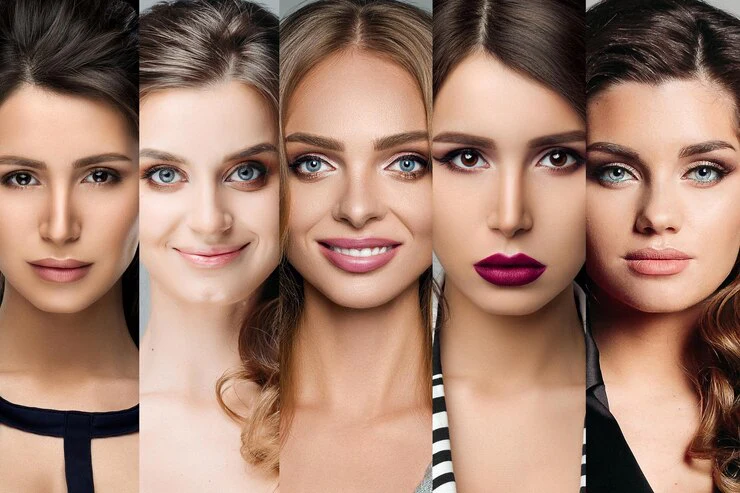
Makeup is not just about applying products—it’s about understanding your skin tone and skin type to enhance your natural beauty. The right techniques can highlight your best features and give you a flawless finish. Whether you are a beginner or someone planning to build a career in beauty, learning professional techniques is essential. Institutes like triqos provide expert training to help students master these skills through a professional Cosmetology Course in Surat.
Understanding Different Skin Tones
Before applying makeup, it is important to identify your skin tone and undertone.
1. Skin Tones
Generally, skin tones are divided into:
- Fair
- Medium or Wheatish
- Dusky
- Deep
2. Undertones
Undertones fall into three main categories:
- Warm (yellow or golden)
- Cool (pink or blue)
- Neutral (mix of both)
Knowing your undertone helps you choose the right foundation, blush, lipstick, and even highlighter. Professional makeup artists trained at triqos are taught how to analyze skin tone and undertone before starting any makeup application.
Best Makeup Techniques for Medium & Wheatish Skin
Medium or wheatish skin tones are very common in India and can carry both warm and bold shades beautifully.
1. Foundation
- Choose a foundation that matches your undertone (golden or neutral works best).
- Avoid grey-toned foundations.
2. Contouring & Highlighting
- Use warm bronzers for contouring.
- Gold or champagne highlighters look amazing.
3. Eyeshadow
- Bronze, copper, warm browns, and earthy tones enhance wheatish skin.
- Smokey eyes also look stunning.
4. Lipstick
- Coral, brick red, berry, and warm nude shades are perfect choices.
Professionally learning shade selection makes a huge difference, which is why many aspiring artists enroll at triqos to gain hands-on experience.
Makeup Techniques for Different Skin Types
Apart from skin tone, skin type also plays an important role in makeup application.
1. Oily Skin
- Use oil-free primer and matte foundation.
- Set makeup with translucent powder.
- Avoid heavy cream products.
2. Dry Skin
- Always moisturize before makeup.
- Use hydrating primer and dewy foundation.
- Avoid too much powder.
3. Combination Skin
- Apply matte products on oily areas (T-zone).
- Use hydrating products on dry areas.
4. Sensitive Skin
- Use hypoallergenic and fragrance-free products.
- Always do a patch test before applying new products.
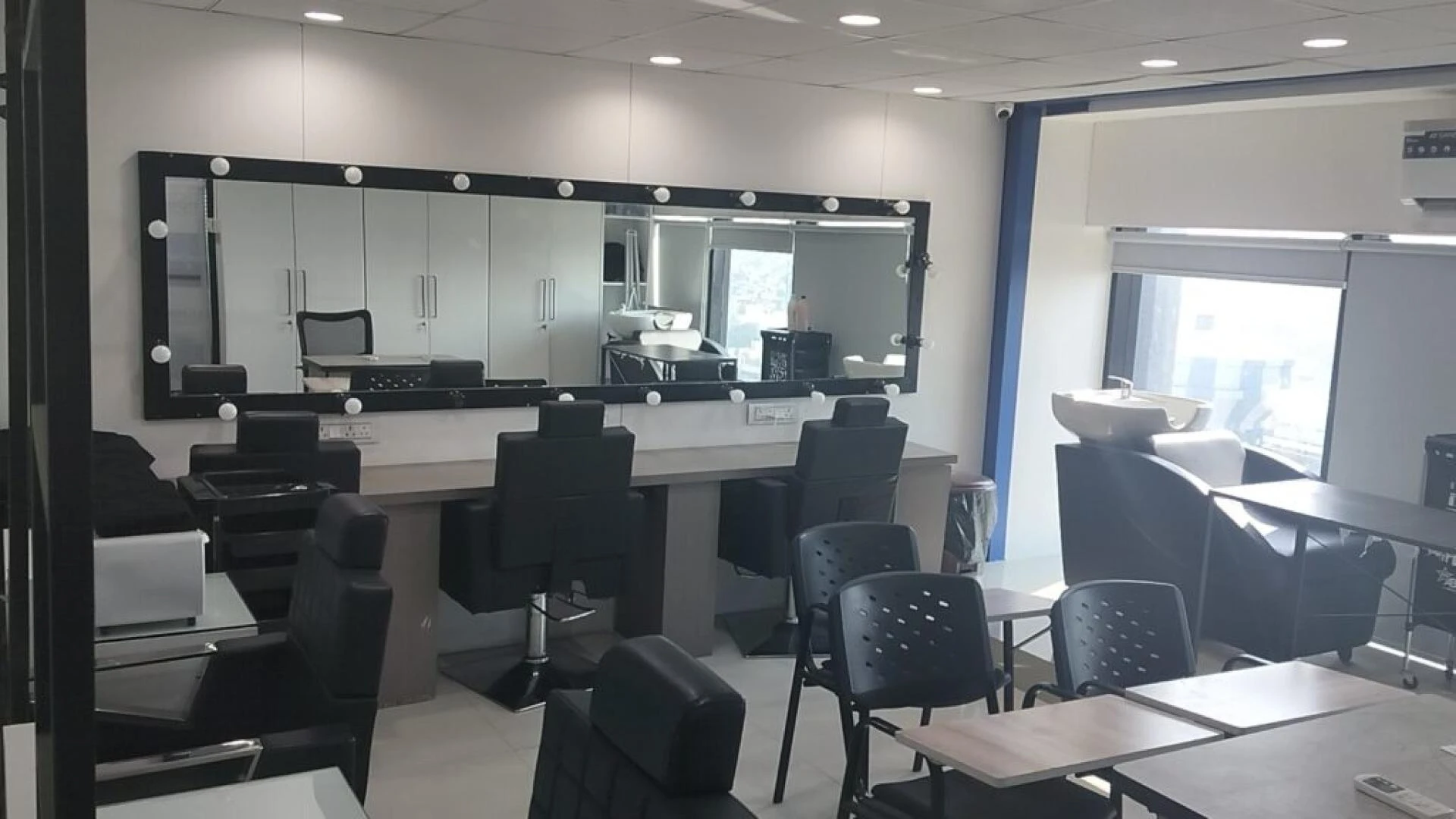
Professional cosmetology training focuses not just on makeup, but also on skin analysis. That’s why many beauty enthusiasts choose triqos, where practical learning and real-client practice are key highlights.
Why Professional Training Matters
Learning from online videos can help, but professional guidance ensures:
- Proper understanding of skin tones and undertones
- Correct product selection
- Hygiene and safety standards
- Hands-on practice with real models
If you want to build a successful career in the beauty industry, enrolling in a certified Cosmetology Course in Surat from a reputed institute like triqos can give you the right foundation and confidence.
Conclusion
Makeup is not one-size-fits-all. The right techniques depend on your skin tone and skin type. From choosing the perfect foundation to selecting flattering lipstick shades, understanding your skin makes all the difference.
Whether you want to enhance your personal makeup skills or become a professional artist, learning expert techniques is essential. With proper training and guidance from institutes like triqos, you can master makeup for every skin tone and type and build a rewarding career in the beauty industry.
Beauty is about confidence—and the right knowledge helps you shine in your own unique way.


Sign in to leave a comment.