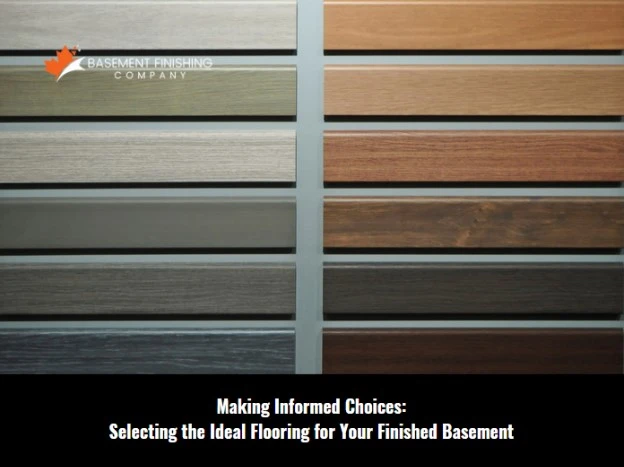

When it comes to transforming your basement into a livable space, the choice of flooring plays a crucial role in ensuring comfort, durability, and aesthetic appeal. Basement finishing is a substantial investment, and selecting the right flooring is paramount for creating a welcoming and functional space that stands the test of time.
One of the primary considerations when choosing basement flooring is moisture resistance. Basements are prone to humidity and potential water seepage, making it imperative to opt for materials that can withstand these conditions. Several flooring options prove to be ideal for finished basements, each with its unique set of advantages.
Vinyl flooring has emerged as a popular choice for basement finishing projects. This versatile material offers an excellent balance between durability, moisture resistance, and affordability. Vinyl flooring comes in various styles, including planks and tiles, allowing homeowners to achieve the desired aesthetic for their finished basement.
Another resilient option is ceramic tile. Known for its durability and resistance to moisture, ceramic tile can withstand the challenges posed by basement environments. It is easy to clean, making it an excellent choice for spaces that may be prone to spills or moisture-related issues. Homeowners can also take advantage of a wide range of colors and patterns to enhance the visual appeal of their basement.
For those seeking a warm and comfortable atmosphere, carpeting is a classic choice. While traditional wisdom might caution against carpeting in basements due to potential moisture issues, advancements in carpeting technology have led to the development of moisture-resistant and mold-resistant options. Adding a moisture barrier and proper ventilation can further mitigate potential concerns, making carpeting a cozy and stylish option for basement finishing.
If a sleek and modern look is the goal, consider laminate flooring. With its realistic wood or stone appearance, laminate provides an affordable alternative to hardwood or stone flooring. It is resistant to moisture and relatively easy to install, making it an attractive option for homeowners looking to achieve a high-end aesthetic without the associated costs.
While hardwood flooring might not be the first choice for basements due to its susceptibility to moisture damage, engineered hardwood is worth considering. Engineered hardwood is designed to withstand fluctuations in humidity and temperature, making it a more suitable option for basement finishing projects. It retains the beauty of hardwood while offering enhanced durability in challenging environments.
In conclusion, selecting the right flooring for your finished basement requires careful consideration of factors such as moisture resistance, durability, and aesthetics. Each flooring option has its own set of advantages, allowing homeowners to tailor their choices to meet specific needs and preferences. Whether opting for vinyl, ceramic tile, carpeting, laminate, or engineered hardwood, making an informed decision ensures that your finished basement remains a functional and visually appealing space for years to come.
As you embark on your basement finishing journey, take the time to explore the various flooring options available and choose the one that best suits your needs. Whether it's the resilience of vinyl, the warmth of carpeting, or the sleek look of laminate, making an informed decision will contribute to creating a comfortable and inviting finished basement. Consult with flooring professionals to assess your specific requirements and make the most suitable choice for your unique space. Transform your basement into a stylish and functional area that enhances the overall value of your home.
























Sign in to leave a comment.