
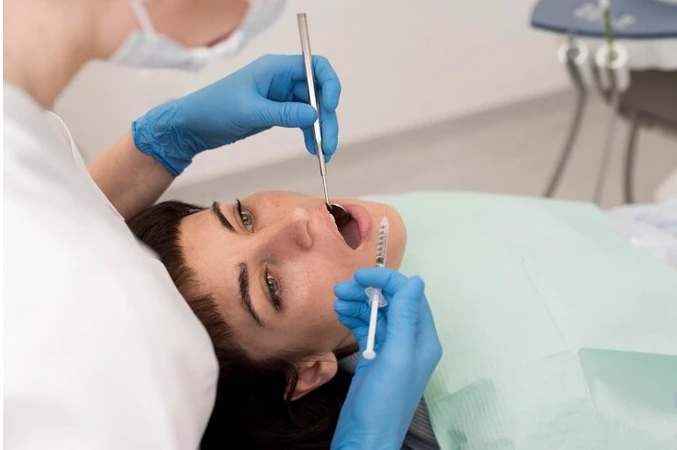
Maintaining dental health is a critical aspect of overall well-being, particularly for older adults. Many individuals choose AARP dental coverage to ensure access to affordable dental care while protecting their oral health. Maximizing the benefits of this insurance requires understanding the plan's offerings, coverage limitations, and strategies to reduce costs. This article explores ways to make the most of AARP dental coverage and maintain a healthy, confident smile.
Understanding AARP Dental Coverage
Overview of Services
AARP dental plans are designed to provide comprehensive care, covering preventive, basic, and major dental procedures. Preventive services, such as routine cleanings and oral exams, are often fully or mostly covered, encouraging regular visits. Basic services, including fillings and extractions, receive partial coverage, while major procedures, like crowns or root canals, are covered at a higher out-of-pocket rate.
Types of Plans Available
Different AARP dental plans offer varying levels of coverage and cost structures. Some plans focus on preventive care for minimal monthly premiums, while others provide broader coverage for individuals anticipating more extensive treatments. Choosing the right plan depends on personal dental needs, financial considerations, and the frequency of required procedures.
Network of Providers
AARP dental plans include a network of participating dentists who have agreed-upon rates. Utilizing in-network providers can reduce out-of-pocket costs and ensure seamless coverage. While out-of-network services are sometimes covered, they typically require higher personal contributions, so understanding the network is essential for cost management.
Maximizing Preventive Care
Scheduling Regular Checkups
Routine checkups and cleanings are foundational to oral health. With AARP dental coverage, these preventive services are generally fully covered, making it cost-effective to maintain regular visits. Scheduling appointments every six months helps detect early signs of dental issues and prevents complications.
Dental X-Rays and Exams
Diagnostic tools such as X-rays allow dentists to identify hidden problems, including cavities, impacted teeth, or early gum disease. Coverage for these services enables timely intervention without significant financial strain.
Fluoride Treatments and Sealants
Preventive treatments like fluoride applications and dental sealants strengthen enamel and protect against decay. Many AARP dental plans include these services for adults, promoting long-term oral health.
Utilizing Basic and Restorative Services
Fillings and Extractions
Basic dental services address minor issues before they escalate. Coverage for fillings and extractions ensures individuals can receive treatment promptly, preventing further damage and more costly procedures later.
Periodontal Care
Gum health is vital for overall oral hygiene. AARP dental plans often provide partial coverage for periodontal treatments, including scaling and root planing. Maintaining healthy gums reduces the risk of tooth loss and other systemic health issues.
Crowns, Bridges, and Dentures
For individuals requiring major restorative work, coverage under AARP dental helps offset costs associated with crowns, bridges, and dentures. These procedures restore functionality, improve appearance, and enhance self-confidence.
Managing Costs Effectively
Understanding Deductibles and Co-Payments
AARP dental plans include deductibles and co-payments, which affect overall costs. Higher deductibles may lower monthly premiums but increase out-of-pocket expenses per visit. Conversely, lower deductibles often come with higher premiums but reduce costs for individual procedures. Understanding this balance helps optimize coverage based on personal needs.
Staying Within the Network
Using in-network dentists ensures the most cost-effective care. Network providers have negotiated rates with the insurance plan, minimizing out-of-pocket expenses. When possible, schedule treatments with participating dentists to maximize coverage benefits.
Planning Major Procedures
Scheduling major dental treatments strategically can help manage costs. Some individuals plan procedures early in the calendar year to take full advantage of annual coverage limits. Understanding annual maximum benefits and planning care accordingly ensures optimal use of insurance.
Exploring Discounts and Promotions
Occasionally, dental plans offer discounts for family coverage, multiple-year enrollments, or specific services. Reviewing available promotions can help reduce the overall cost of care while maintaining high-quality dental treatment.
Encouraging Healthy Oral Habits
Daily Oral Hygiene
Effective daily care, including brushing twice a day, flossing, and using mouthwash, complements the benefits of dental insurance. Preventing cavities and gum disease reduces the need for expensive treatments, making insurance coverage even more valuable.
Healthy Diet Choices
Limiting sugary foods and drinks helps prevent tooth decay. Consuming foods rich in calcium, phosphorus, and vitamins supports strong teeth and healthy gums. Combining good nutrition with regular dental visits enhances long-term oral health.
Addressing Dental Issues Promptly
Even with insurance coverage, delaying treatment can lead to more complex and costly procedures. Promptly addressing dental problems ensures that care remains effective and within the plan's coverage.
Reviewing and Understanding Your Plan
Reading the Fine Print
Understanding what is covered, excluded, or subject to waiting periods is crucial for maximizing benefits. Review plan documents thoroughly to avoid unexpected expenses and ensure all preventive and necessary services are utilized.
Staying Updated on Policy Changes
Dental insurance plans may adjust premiums, coverage options, or network providers periodically. Staying informed about these changes helps individuals make timely decisions and maintain continuous coverage.
Seeking Professional Guidance
Consulting with a dental professional can help plan treatments in alignment with insurance coverage. Dentists can provide advice on prioritizing care, selecting appropriate procedures, and maximizing the value of AARP dental benefits.
Conclusion
AARP dental coverage provides valuable support for maintaining and improving oral health. By understanding plan details, prioritizing preventive care, utilizing network providers, and managing costs strategically, individuals can make the most of their dental benefits. Consistent oral hygiene, prompt treatment of issues, and informed use of insurance ensure that dental care remains affordable and effective. For personalized guidance and professional dental care support, Clove Dental can help individuals optimize their AARP dental coverage and achieve a healthier, confident smile.



























Sign in to leave a comment.