

Karparivartan explores how effective plastic waste management is key to protecting the environment, promoting sustainability, and creating a cleaner future for all.
Introduction
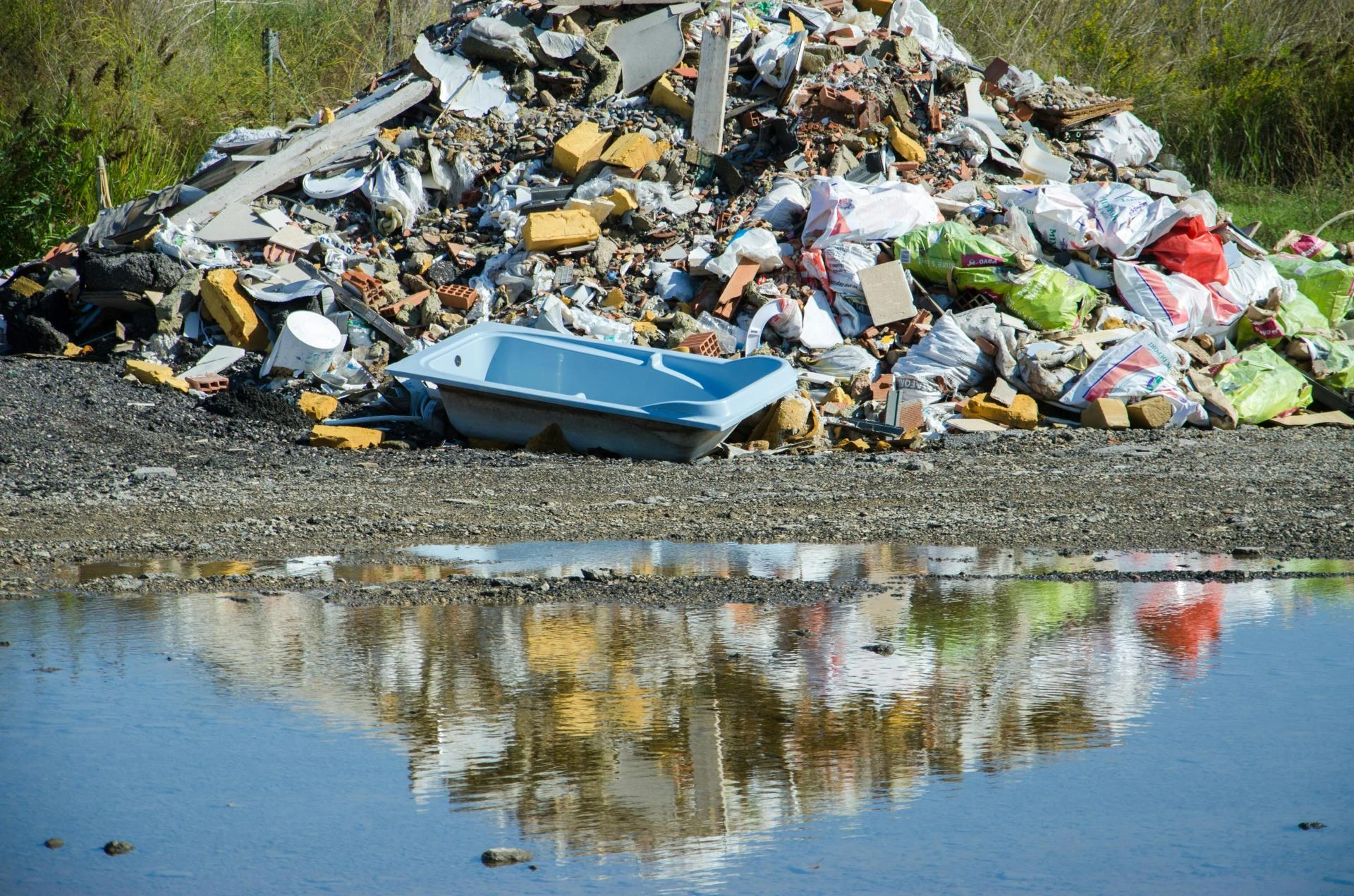
Plastic is embedded in our daily lives—used in packaging, storage, healthcare, and more. But its convenience comes at a cost. With increasing consumption and poor disposal practices, plastic waste has become a severe environmental hazard, harming ecosystems, wildlife, and public health.
At Karparivartan, we aim to create lasting change through education, collaboration, and innovative waste solutions. This blog delves into the importance of plastic waste management and how each one of us—from individuals to corporations—can contribute to solving this crisis.
What Does Plastic Waste Management Mean?
Plastic waste management refers to the organized collection, segregation, recycling, and disposal of plastic waste in a way that minimizes environmental harm. Rather than allowing plastic to pile up in landfills or oceans, this system aims to handle it responsibly and sustainably.
Core aspects of plastic waste management include:
- Source-level segregation of plastics from other waste
- Recycling materials into new products wherever feasible
- Safe disposal of plastics that can't be reused or recycled
- Reducing dependency on single-use plastic products
- Encouraging biodegradable alternatives in daily life
Karparivartan promotes these steps through training programs, on-ground drives, and partnerships with municipalities and industries.
Why Plastic Waste Management is So Important
Protecting Our Environment
Plastic doesn't degrade easily. When left unmanaged, it pollutes the soil, contaminates groundwater, and breaks down into microplastics that enter our food chain. Proper management can drastically reduce this damage.
Safeguarding Wildlife
Marine and terrestrial animals are at constant risk from plastic—ingesting it or getting trapped in it. Reducing plastic waste can help preserve biodiversity and restore ecological balance.
Reducing Health Risks
When plastic waste is burned or left exposed, it releases toxic fumes and harmful chemicals. These pollutants can cause respiratory problems, cancer, and other health issues. Responsible disposal limits these risks.
Boosting the Economy
Recycling plastics saves energy and raw materials while creating jobs in the waste management and recycling sectors. A circular economy benefits both people and the planet.
Karparivartan’s Role in Driving Change
At Karparivartan, we work tirelessly to support sustainable waste practices through a community-first approach. Our initiatives include:
- Educational campaigns on plastic segregation and reduction
- Local clean-up efforts to eliminate waste from public spaces
- Workshops for schools and housing societies on plastic reuse and recycling
- Corporate and municipal partnerships for responsible disposal systems
Our mission is to build a culture of sustainability that starts at the grassroots and scales nationally.
What is EPR in Plastic Waste Management?
Extended Producer Responsibility (EPR) is a policy tool that places the responsibility of managing plastic waste on the producers and importers of plastic products. It requires them to collect, recycle, or safely dispose of the plastic packaging they release into the market.
As per Indian regulations:
- Brands must track and report their plastic usage
- They are required to meet recycling and recovery targets
- Non-compliance can result in penalties and environmental damage
Karparivartan helps brands align with EPR norms by offering compliance assistance, recycling solutions, and detailed reporting support.
Overview of Plastic Waste Management Rules in India
The Plastic Waste Management Rules, introduced in 2016 and updated in 2022, are India’s legal framework for dealing with plastic waste. Key features include:
- A ban on certain single-use plastic products
- Mandatory EPR obligations for producers and brand owners
- Guidelines to encourage recycling and reduce new plastic usage
- Assigning waste management duties to urban local bodies
Karparivartan’s operations follow these rules closely, helping clients and communities stay compliant and environmentally responsible.
Simple Ways You Can Help
Plastic pollution may seem overwhelming, but individual action makes a difference. Here are a few ways to contribute:
- Use cloth or paper bags instead of plastic ones
- Avoid buying disposable cutlery, straws, and containers
- Segregate your plastic waste at home
- Choose products with sustainable packaging
- Support eco-conscious organizations and brands
When enough people make small changes, we create large-scale impact.
Final Thoughts
Plastic waste is a challenge we can no longer afford to ignore. Whether you’re a consumer, a producer, or a policymaker—everyone has a role in this journey toward sustainability.
At Karparivartan, we are committed to reducing plastic pollution through community-driven action, regulatory support, and corporate engagement. Together, we can move from pollution to solution and build a world where plastic serves a purpose without destroying our environment.
👉 Reach out to Karparivartan today and be part of the change for a cleaner, greener future.




























Sign in to leave a comment.