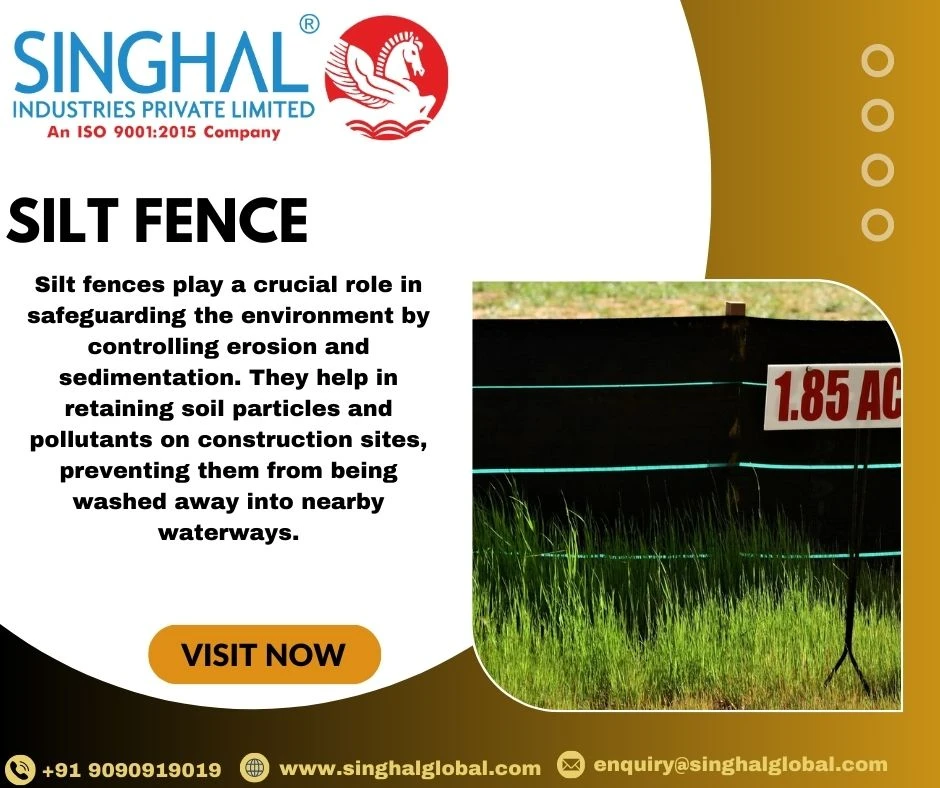

Sediment runoff poses a significant threat to environmental stability, affecting water quality and ecosystem health. In response to this challenge, the installation of silt fence rolls has emerged as a vital solution for erosion control and sediment management. In this article, we delve into the importance of managing sediment runoff and explore the function and installation of Silt Fence Rolls, emphasizing their role in preserving natural resources and safeguarding aquatic ecosystems.
Understanding Sediment Runoff
Sediment runoff occurs when soil particles are dislodged and transported by water, typically due to rainfall or human activities such as construction and agriculture. This process can result in the degradation of water bodies, leading to decreased water quality, habitat destruction, and ecological imbalances. Addressing sediment runoff is crucial for maintaining the health and integrity of aquatic environments.
Role of Silt Fence Rolls
Silt fence rolls serve as a physical barrier to sediment-laden runoff, preventing soil erosion and retaining sediment on-site. These permeable barriers are typically composed of geotextile fabric, which allows water to pass through while trapping sediment particles. By strategically installing silt fence rolls along vulnerable areas, such as construction sites and agricultural fields, sediment runoff can be effectively controlled, minimizing environmental impact.
Installation Process
Proper installation of silt fence rolls is essential for maximizing their effectiveness. Before installation, site preparation is necessary, including clearing vegetation and leveling the terrain. Silt fence rolls should be installed downhill from the source of runoff, ensuring that water is intercepted before reaching sensitive areas. Additionally, proper anchoring and backfilling techniques should be employed to secure the fence and prevent bypass flow.
Benefits of Silt Fence Rolls
The use of silt fence rolls offers various benefits in sediment control and erosion prevention. By reducing sediment runoff, these barriers help preserve soil structure, prevent sedimentation in water bodies, and protect downstream habitats. Furthermore, silt fence rolls contribute to compliance with regulatory requirements and promote sustainable land management practices.
Choosing the Right Silt Fence Manufacturer
Selecting a reputable Silt Fence Manufacturer is critical for ensuring the quality and effectiveness of sediment barriers. Factors to consider include the durability of materials, compliance with industry standards, and track record of performance. By partnering with a reliable manufacturer such as Singhal Industries, stakeholders can access high-quality silt fence products tailored to their specific needs.
Case Studies
Numerous case studies highlight the successful implementation of silt fence rolls in sediment control projects worldwide. From large-scale construction sites to agricultural landscapes, the use of silt fence barriers has proven effective in mitigating erosion and protecting natural resources. Real-world examples demonstrate the tangible benefits of integrating silt fence rolls into sediment management strategies.
Challenges and Solutions
Despite their effectiveness, silt fence rolls may encounter challenges such as clogging, structural failure, and improper installation. Addressing these issues requires proactive measures such as regular maintenance, proper training of personnel, and ongoing monitoring of performance. By identifying and mitigating potential risks, stakeholders can optimize the functionality and longevity of silt fence barriers.
Future Trends
The Silt Barrier Fence of sediment management is continually evolving, with ongoing advancements in technology and best practices. Future trends may include the development of innovative sediment control products, adoption of sustainable land management techniques, and integration of digital solutions for monitoring and assessment. Embracing these trends will be essential for meeting the growing demand for effective sediment control measures.
Regulatory Compliance
Compliance with regulatory requirements is a fundamental aspect of silt barrier fence environmental stewardship. Agencies at the local, state, and federal levels establish standards and guidelines for sediment control practices, emphasizing the importance of erosion prevention and sedimentation control. By adhering to regulatory mandates, stakeholders can minimize environmental impact and promote responsible land use.
Cost Considerations
While the initial investment in sediment control measures such as silt fence rolls may seem significant, the long-term benefits outweigh the costs. By preventing soil erosion, preserving water quality, and avoiding potential regulatory fines, silt fence barriers offer substantial returns on investment. Cost-effective strategies such as proper maintenance and strategic placement further enhance the economic viability of sediment control initiatives.
Training and Education
Training and education play a crucial role in promoting effective sediment management practices among stakeholders. By providing workforce development opportunities and raising awareness about sediment control techniques, organizations can empower individuals to implement best practices and minimize environmental impact. Investing in training programs and educational resources fosters a culture of sustainability and responsible land stewardship.
Environmental Benefits
The environmental benefits of sediment control extend beyond erosion prevention to encompass habitat preservation, biodiversity conservation, and ecosystem resilience. By reducing sediment runoff and protecting natural resources, silt fence rolls contribute to the overall health and vitality of aquatic ecosystems. These benefits are essential for maintaining ecosystem services and supporting sustainable development.
Community Engagement
Engaging the community in sediment management initiatives fosters collaboration, awareness, and support for conservation efforts. Public involvement in decision-making processes, outreach campaigns, and volunteer opportunities strengthens community resilience and promotes environmental stewardship. By fostering partnerships between stakeholders, including government agencies, businesses, and local residents, sediment management becomes a collective responsibility with shared benefits.
Conclusion
In conclusion, managing sediment runoff is paramount for preserving water quality, protecting natural habitats, and promoting sustainable development. Silt fence rolls play a crucial role in sediment control, offering an effective solution for erosion prevention and sediment management. By understanding the function and installation of silt fence barriers, stakeholders can mitigate environmental impact and safeguard aquatic ecosystems for future generations.
FAQs (Frequently Asked Questions)
What are silt fence rolls, and how do they work?Silt fence rolls are permeable barriers made of geotextile fabric, designed to intercept sediment-laden runoff
Why are silt fence rolls important for sediment management?
Silt fence rolls are essential for sediment management because they provide a physical barrier to sediment runoff, helping to minimize environmental impact and protect sensitive ecosystems.
How should silt fence rolls be installed?
Silt fence rolls should be installed downhill from the source of runoff, with proper anchoring and backfilling techniques to ensure stability and effectiveness. It's crucial to follow manufacturer guidelines and best practices for installation.
What factors should be considered when choosing a silt fence manufacturer?
When selecting a silt fence manufacturer, factors such as product quality, compliance with industry standards, and track record of performance should be considered. It's essential to choose a reputable manufacturer with a history of producing reliable sediment control products.
What are the long-term benefits of using silt fence rolls?
The long-term benefits of using silt fence rolls include erosion prevention, water quality preservation, regulatory compliance, and cost savings. By investing in sediment control measures, stakeholders can protect natural resources and minimize environmental liabilities over time.










Sign in to leave a comment.