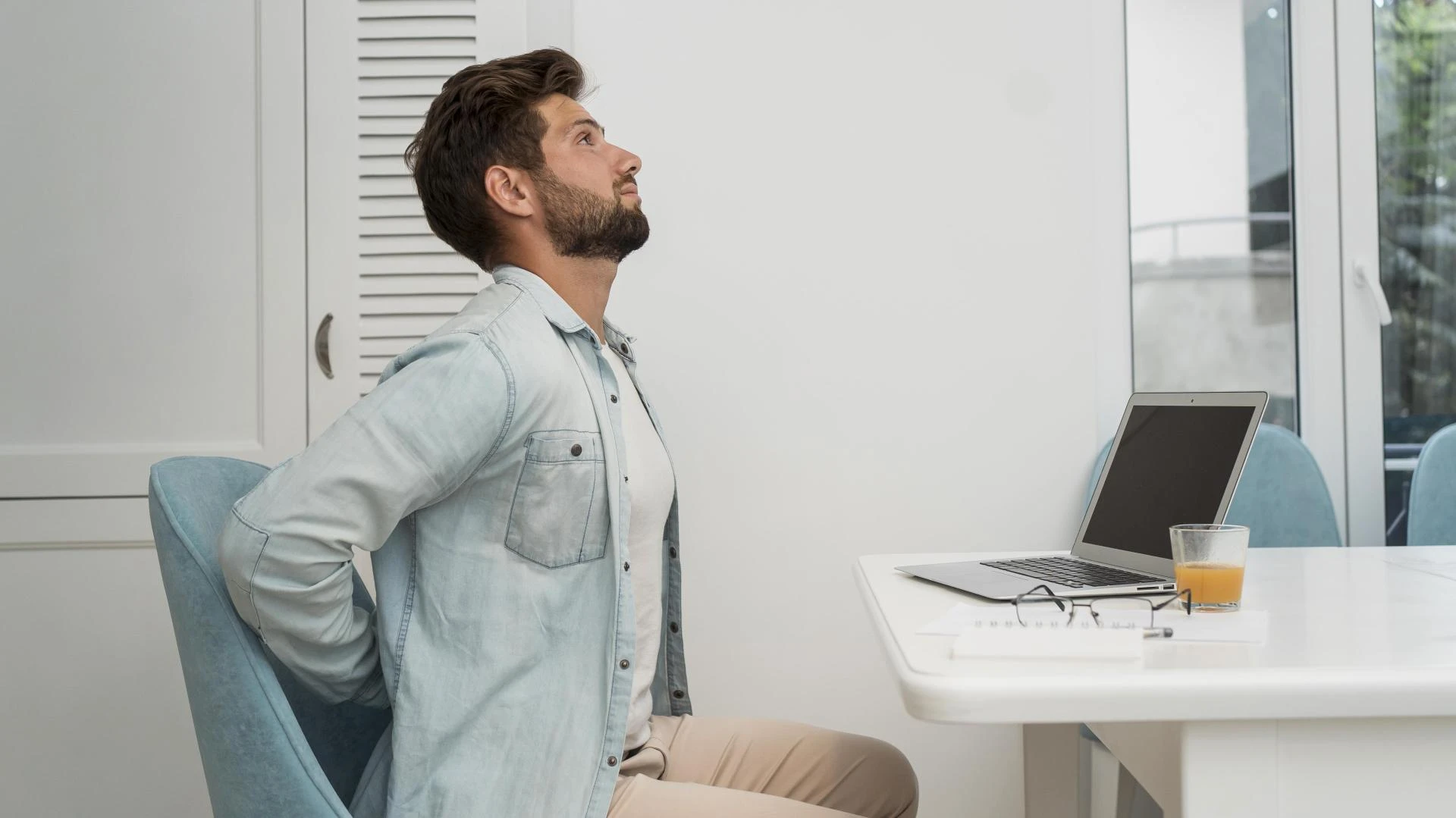

Severe lower back pain is a debilitating condition that affects daily life, limiting mobility and overall well-being. It can result from injuries, medical conditions, or poor lifestyle habits. Chronic pain may interfere with work, sleep, and simple activities, making proper management essential. Treatment options range from physical therapy and medications to lifestyle adjustments and medical interventions. Strengthening exercises, good posture, and ergonomic support can help prevent or alleviate pain. If the discomfort persists, consulting a healthcare professional is crucial for diagnosis and tailored treatment. Addressing severe lower back pain early can improve quality of life and long-term mobility.
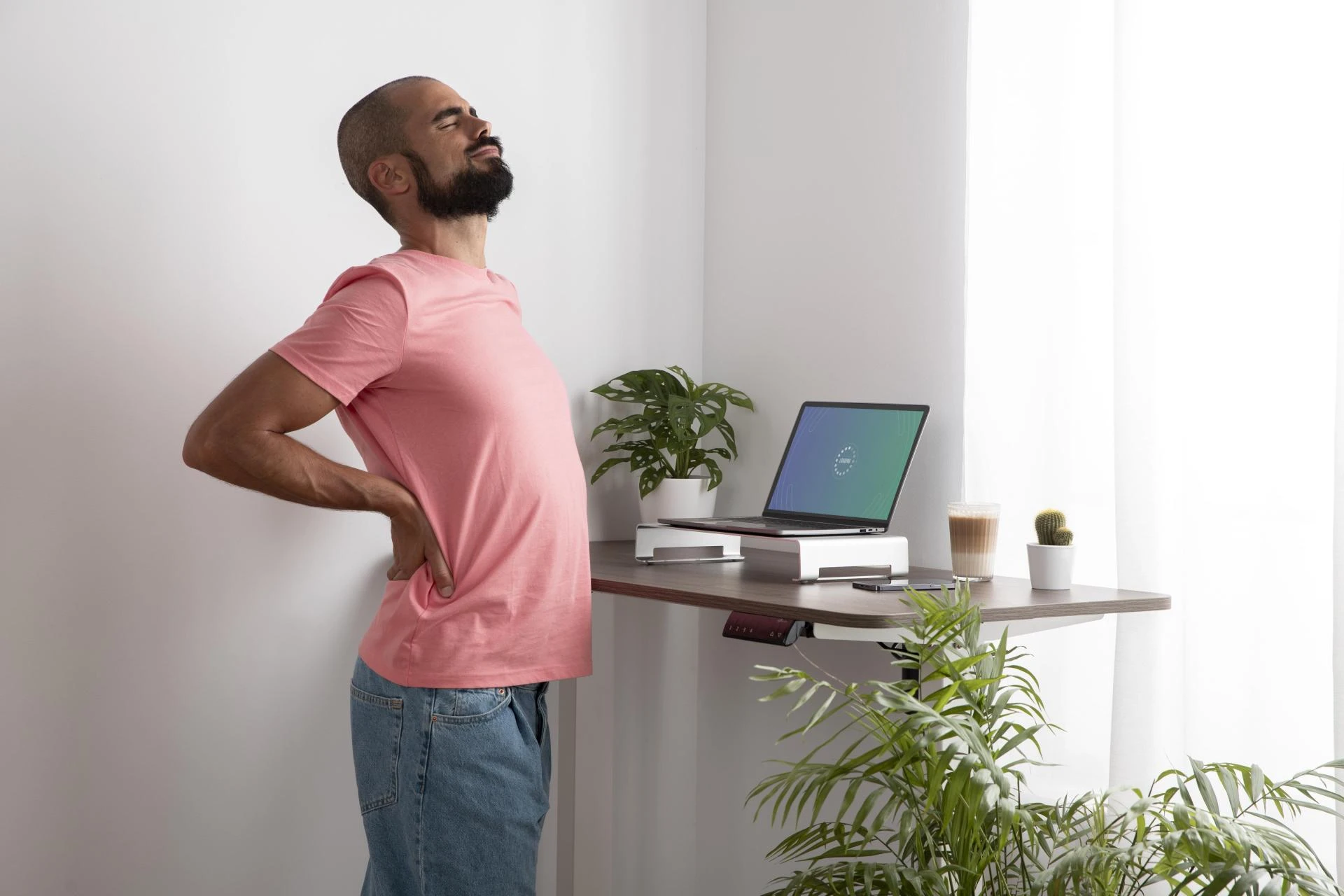
What Is Severe Lower Back Pain?
It is characterized by intense discomfort in the lumbar region of the spine, which is the area between the ribcage and the pelvis. The pain can range from a dull ache to a sharp, stabbing sensation and may be accompanied by stiffness, muscle spasms, or radiating pain down the legs. In some cases, severe lower back pain can be a symptom of an underlying medical condition that requires prompt attention.
Common Causes
Understanding the root cause of this pain is essential for effective treatment. Here are some of the most common causes:
1. Muscle Strain or Ligament Sprain
Muscle strain or ligament sprain is one of the leading causes. This often occurs due to overuse, improper lifting techniques, or sudden movements.
2. Herniated or Bulging Discs
When a disc herniates or bulges, it can press on nearby nerves, causing severe pain, numbness, or tingling that radiates down the legs (a condition known as sciatica).
3. Degenerative Disc Disease
As we age, the spinal discs naturally wear down, leading to degenerative disc disease. This condition can cause chronic lower back pain, stiffness, and reduced flexibility.
4. Arthritis
Osteoarthritis and other forms of arthritis can affect the lower back, leading to inflammation, stiffness, and pain. In some cases, arthritis can also cause bone spurs that compress nerves.
5. Scoliosis or Spinal Misalignment
Abnormal curvature of the spine (scoliosis) or misaligned vertebrae can lead to uneven pressure on the lower back, resulting in severe pain.
6. Injuries or Trauma
Accidents, falls, or sports injuries can damage the muscles, ligaments, or bones in the lower back, causing acute or chronic pain.
7. Lifestyle Factors
Sedentary lifestyles, poor posture, obesity, and lack of exercise can contribute to lower back pain by weakening the muscles that support the spine.
Diagnoses
If you’re experiencing intolerable back pain, it’s important to seek medical attention for an accurate diagnosis. A healthcare provider will typically perform a physical examination, review your medical history, and may recommend diagnostic tests such as:
- X-rays: To check for fractures or structural abnormalities.
- MRI or CT scans: To visualize soft tissues, discs, and nerves.
- Nerve conduction studies: To assess nerve function and identify potential damage.
Treatment Options
The treatment depends on the underlying cause and the severity of the condition. Here are some common approaches:
1. Medications
- Prescription medications: Muscle relaxants, opioids (for short-term use), or corticosteroids may be prescribed for more severe pain.
- Topical treatments: Creams, gels, or patches containing pain-relieving ingredients can provide localized relief.
2. Physical Therapy
Physical therapy is a cornerstone of lower back pain treatment. A physical therapist can design a customized exercise program to strengthen the core muscles, improve flexibility, and correct posture. Techniques such as manual therapy, ultrasound, or electrical stimulation may also be used.
3. Heat and Cold Therapy
Applying heat packs or cold compresses to the affected area can help alleviate pain and reduce inflammation. Heat therapy is particularly effective for relaxing tight muscles, while cold therapy can numb sharp pain.
4. Injections
For persistent pain, corticosteroid injections may be administered directly into the affected area to reduce inflammation and provide relief.
5. Surgery
Surgery is typically considered a last resort for severe lower back pain that doesn’t respond to conservative treatments. Common procedures include discectomy (removal of a herniated disc), spinal fusion, or laminectomy (removal of part of the vertebra to relieve pressure on nerves).
6. Alternative Therapies
- Chiropractic care: Spinal adjustments can help realign the spine and relieve pressure on nerves.
- Acupuncture: This ancient practice involves inserting thin needles into specific points to alleviate pain and promote healing.
- Massage therapy: Therapeutic massage can relax tight muscles and improve blood flow to the affected area.
Lifestyle Changes to Manage and Prevent Severe Lower Back Pain
In addition to medical treatments, making certain lifestyle changes can help manage and prevent this pain:
1. Maintain a Healthy Weight
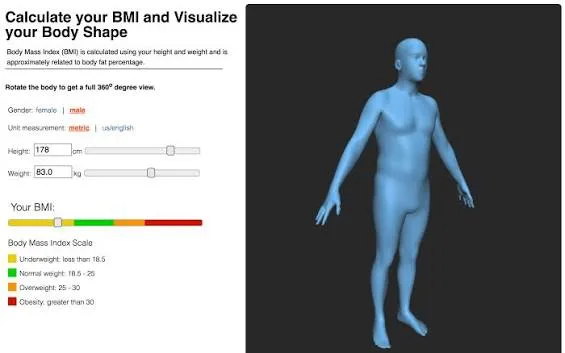
Excess weight puts pressure on the lower area of your back. Adopting a balanced diet and regular exercise routine can help you achieve and maintain a healthy weight.
2. Exercise Regularly
Strengthening the core muscles that support the spine is crucial for preventing lower back pain. Incorporate exercises like planks, bridges, and yoga into your routine.
3. Practice Good Posture
Poor posture can exacerbate lower back pain. Try to sit straight and be mindful of your posture especially when lifting something heavy. Use ergonomic furniture and tools to support proper alignment.
4. Stay Active
Avoid prolonged periods of inactivity, as this can weaken the muscles and worsen pain. Take breaks to stretch and move around, especially if you have a desk job.
5. Quit Smoking
Smoking reduces blood flow to the spine, impairing the body’s ability to heal and increasing the risk of degenerative disc disease.
6. Use Proper Lifting Techniques
Avoid lifting heavy objects but if you have to do so then bend at the knees and make sure your back is straight. Avoid twisting or jerking motions, which can strain the lower back.
When to Seek Immediate Medical Attention
While most cases can be managed with conservative treatments, certain symptoms warrant immediate medical attention. Seek help if you experience:
- Loss of bladder or bowel control.
- Severe pain that doesn’t improve with rest or medication.
- Numbness or weakness in the legs.
- Unexplained weight loss or fever.
These symptoms could indicate a serious condition, such as cauda equina syndrome, infection, or cancer, that requires urgent care.
Conclusion
Severe lower back pain is a complex and multifaceted condition that can significantly impact your quality of life. By understanding its causes, seeking timely diagnosis, and exploring appropriate treatment options, you can find relief and regain control over your health. Additionally, adopting preventive measures and making positive lifestyle changes can help you avoid future episodes of pain. Remember, you don’t have to suffer in silence, consult a healthcare professional to develop a personalized plan for managing and overcoming this intolerable pain. With the right approach, you can move toward a pain-free and active life.

























Sign in to leave a comment.