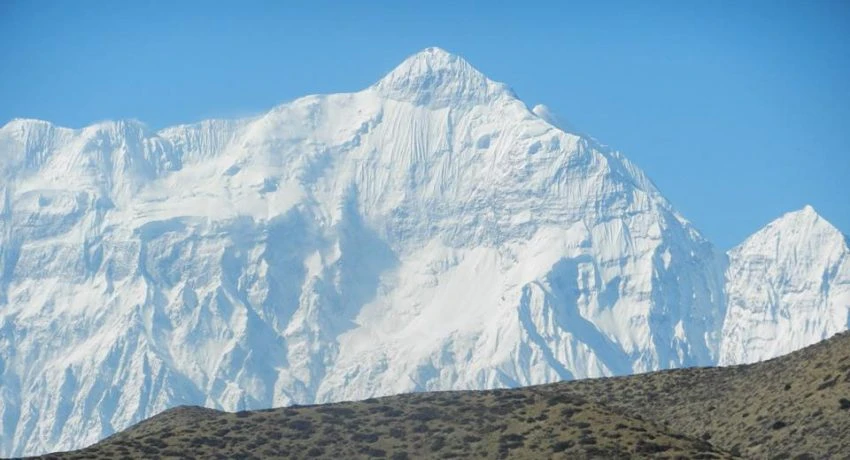

The Manaslu Circuit Trek is a hidden gem in Nepal, offering trekkers a chance to explore one of the most remote and less-traveled routes in the Himalayas. Dominated by the majestic Mount Manaslu, the eighth-highest mountain in the world, this trek promises breathtaking views, cultural immersion, and a truly authentic experience. If you’re looking to escape the crowds of the Everest and Annapurna regions, the Manaslu Trek is the perfect adventure. This guide will cover everything you need to know to embark on this remarkable journey.
Why Choose the Manaslu Trek?
The Manaslu Circuit Trek is often considered a more secluded alternative to the Annapurna Circuit, offering similar dramatic landscapes without the throngs of tourists. The trek takes you through diverse terrain, from lush subtropical forests to alpine landscapes and rugged high mountain passes. Along the way, you’ll pass through traditional villages inhabited by ethnic groups such as the Gurung and Tibetan communities, providing a rich cultural experience.
One of the highlights of the trek is the Larkya La Pass, standing at 5,106 meters (16,752 feet). This challenging pass offers panoramic views of snow-capped peaks, including Manaslu, Himlung, and Cheo Himal, making the strenuous climb well worth the effort.
Best Time to Trek
The ideal times to embark on the Manaslu Trek are during the spring (March to May) and autumn (September to November) seasons. During these months, the weather is stable, and the skies are generally clear, providing the best views of the mountains. Spring is particularly beautiful with blooming rhododendrons, while autumn offers crisp air and the post-monsoon clarity.
Winter (December to February) can also be an option for experienced trekkers, though temperatures can drop significantly, especially at higher altitudes, and the Larkya La Pass may be snow-covered and challenging to cross. The monsoon season (June to August) is generally not recommended due to heavy rainfall, landslides, and leeches, which can make the trail unpleasant.
Permits and Regulations
The Manaslu Circuit Trek is a restricted area, and trekkers are required to obtain several permits to access the region. These include:
Manaslu Restricted Area Permit (RAP): This is the most important permit, and its cost varies depending on the season. During peak season, it costs USD 100 per week per person, and USD 75 per week during the off-season.Annapurna Conservation Area Permit (ACAP): Required as the trek passes through parts of the Annapurna Conservation Area.Manaslu Conservation Area Permit (MCAP): Necessary for trekking within the Manaslu Conservation Area.Additionally, trekkers must be accompanied by a registered guide, and a group of at least two people is required to obtain the Restricted Area Permit.
The Trekking Route
The Manaslu Circuit Trek typically takes 14 to 18 days to complete, depending on the pace and side trips. Here’s a brief overview of the standard itinerary:
Day 1-2: Kathmandu to Soti Khola
The journey begins with a drive from Kathmandu to Soti Khola, the starting point of the trek. The drive offers scenic views of the countryside, though the roads can be rough.Day 3-5: Soti Khola to Deng
The trek begins with a gradual ascent along the Budhi Gandaki River. The trail winds through terraced fields, waterfalls, and dense forests, passing through villages like Machha Khola and Jagat.Day 6-8: Deng to Namrung
The landscape begins to change as you ascend higher, with the air becoming cooler and the terrain more rugged. Namrung offers the first glimpse of Manaslu and other surrounding peaks.Day 9-11: Namrung to Samagaon
The trail passes through alpine meadows and ancient monasteries, leading to the picturesque village of Samagaon. This is a great place to acclimatize, with optional side trips to Manaslu Base Camp or the serene Birendra Lake.Day 12-13: Samagaon to Samdo
The trek to Samdo, the last permanent settlement before the pass, is relatively short but important for acclimatization. The Tibetan influence is strong here, with yak herding and traditional stone houses.Day 14-15: Samdo to Larkya La Pass and Bhimthang
The most challenging part of the trek is crossing the Larkya La Pass. Starting early, you’ll climb to the top of the pass, where you’ll be rewarded with stunning views before descending to Bhimthang.Day 16-18: Bhimthang to Dharapani and Drive to Kathmandu
The descent continues through rhododendron forests and more traditional villages until you reach Dharapani, where you’ll catch a jeep back to Kathmandu.Accommodation and Food
Accommodation along the Manaslu Circuit is primarily in teahouses, which offer basic but comfortable lodging and meals. Teahouses provide a great way to experience local hospitality, though facilities can be more rustic compared to the more developed trekking regions like the Everest Base Camp or Annapurna Circuit.
Meals typically consist of traditional Nepali fare such as dal bhat (rice and lentils), noodles, soups, and Tibetan bread. While meat is available, it’s advisable to stick to vegetarian options as the quality of meat can vary, especially at higher altitudes.
What to Pack
Packing for the Manaslu Trek requires careful consideration due to the range of altitudes and weather conditions. Here’s a basic packing list:
Clothing: Layered clothing, including a base layer, fleece, and a down jacket. Waterproof jacket and pants are essential.Footwear: Sturdy trekking boots with good ankle support and warm socks.Accessories: Gloves, hat, sunglasses, and a buff or scarf for wind protection.Trekking Gear: Trekking poles, a good-quality sleeping bag, and a backpack with a rain cover.Essentials: Water purification tablets, sunscreen, first aid kit, headlamp, and snacks.Documents: Trekking permits, passport, and copies of travel insurance.Tips for a Successful Trek
Acclimatize Properly: Take your time to acclimatize, especially around Samagaon and Samdo, to avoid altitude sickness.Stay Hydrated: Drink plenty of water to stay hydrated, which helps in acclimatization.Hire a Guide: A knowledgeable guide not only ensures your safety but also enriches your experience with local insights.Respect Local Culture: The Manaslu region is home to diverse ethnic groups. Be respectful of their customs and traditions.Be Prepared for Weather Changes: Weather in the mountains can change rapidly, so always be prepared for rain, snow, or wind.Conclusion
The Manaslu Circuit Trek is an incredible journey that offers trekkers an unparalleled blend of natural beauty, cultural richness, and adventure. It’s a trek that demands respect for its challenges but rewards those who take it on with memories that will last a lifetime. Whether you’re an experienced trekker or someone looking to explore the road less traveled, the Manaslu Trek is a truly unforgettable experience.





















Sign in to leave a comment.