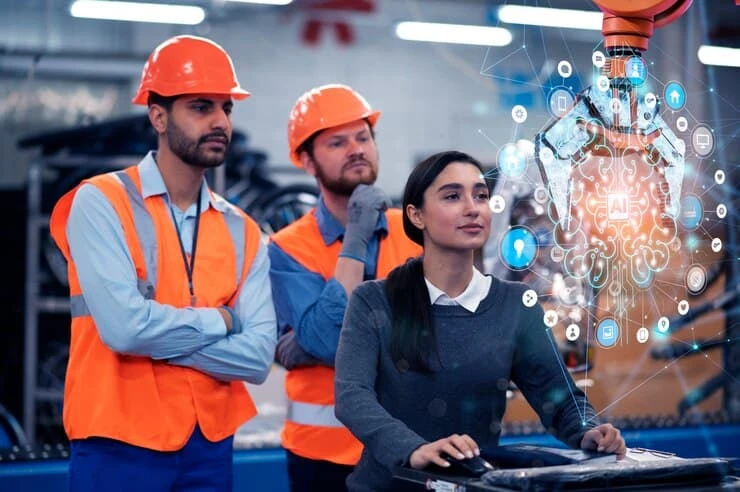

In today’s competitive manufacturing landscape, data has become one of the most valuable assets for driving efficiency, innovation, and strategic growth. Manufacturing IT management plays a critical role in harnessing this data, allowing manufacturers to make informed decisions, optimize operations, and stay ahead of industry trends. By integrating technology solutions with operational strategies, manufacturing IT management ensures that factories are not only productive but also agile and responsive to market demands.
Understanding Manufacturing IT Management
Definition and Importance
Manufacturing IT management refers to the planning, implementation, and oversight of technology systems within manufacturing environments. These systems include hardware, software, networks, and data analytics platforms that support production, quality control, supply chain operations, and workforce management. Effective IT management ensures that these technologies work cohesively to provide accurate, real-time insights that support decision-making processes.
Role in Modern Manufacturing
As factories evolve into data-driven operations, manufacturing IT management has become essential for optimizing workflows, improving product quality, and enhancing overall efficiency. It enables the integration of industrial IoT devices, predictive analytics tools, and cloud-based systems that generate actionable insights for managers and executives.
Data Collection and Integration
Capturing Real-Time Data
One of the core functions of manufacturing IT management is the collection of real-time data from machines, sensors, and production lines. This data provides insights into equipment performance, production rates, and potential issues before they escalate. Proper IT management ensures that data is captured accurately and transmitted securely to centralized systems for analysis.
Integrating Disparate Systems
Manufacturing environments often use multiple systems for different functions such as inventory management, quality control, and maintenance. Manufacturing IT management ensures that these systems are integrated, enabling seamless data flow and eliminating information silos. Integrated systems support holistic decision-making by providing a complete view of operations across the factory.
Leveraging Data for Decision Making
Advanced Analytics
Once data is collected, manufacturing IT management facilitates advanced analytics to extract meaningful insights. Techniques such as predictive analytics, machine learning, and process optimization models help identify trends, forecast demand, and detect inefficiencies. These insights empower managers to make data-driven decisions that enhance productivity and reduce operational costs.
Supporting Strategic Planning
Data-driven decision-making is not limited to day-to-day operations. Manufacturing IT management also supports long-term strategic planning by analyzing historical production data, market trends, and supply chain performance. By leveraging these insights, manufacturers can make informed choices about expansion, resource allocation, and technology investments.
Enhancing Operational Efficiency
Predictive and Preventive Maintenance
Manufacturing IT management enables predictive maintenance by analyzing equipment data to forecast potential failures. This allows maintenance teams to address issues before they cause production downtime. Preventive maintenance scheduling is also streamlined through IT management systems, ensuring that equipment remains operational and production schedules are maintained.
Process Optimization
IT management tools help identify bottlenecks and inefficiencies in production processes. By using data to monitor performance, manufacturers can implement adjustments that reduce waste, improve cycle times, and enhance overall operational efficiency. Continuous process optimization supported by IT management fosters higher productivity and cost savings.
Strengthening Supply Chain and Inventory Management
Real-Time Inventory Tracking
Effective manufacturing IT management provides real-time visibility into inventory levels, enabling better control over raw materials, work-in-progress items, and finished goods. Accurate tracking reduces the risk of stockouts and overstocking, ensuring that production schedules are maintained and customer demands are met.
Enhancing Supply Chain Collaboration
Manufacturing IT management supports supply chain collaboration by providing data-driven insights into supplier performance, shipping timelines, and logistics efficiency. This allows manufacturers to respond quickly to disruptions, optimize procurement strategies, and maintain smooth supply chain operations.
Improving Quality and Compliance
Quality Monitoring
Manufacturing IT management enables real-time monitoring of product quality through data collected from production lines and testing systems. Analytics tools can detect deviations from standards, allowing corrective actions to be implemented promptly. Consistent quality control reduces waste and enhances customer satisfaction.
Ensuring Regulatory Compliance
Data management systems supported by IT management also help manufacturers adhere to industry regulations and safety standards. By tracking production processes, documenting procedures, and generating compliance reports, manufacturers can ensure that they meet all regulatory requirements efficiently.
Empowering the Workforce
Digital Collaboration
Manufacturing IT management provides platforms for workforce collaboration and communication. Employees can share insights, track progress, and manage projects efficiently through digital tools. This improves teamwork and ensures that everyone has access to accurate, up-to-date information.
Training and Skill Development
As manufacturing technologies advance, workforce training becomes crucial. IT management systems offer virtual training modules and simulation tools that help employees learn new skills, adapt to digital workflows, and operate complex machinery effectively. This supports continuous improvement and workforce readiness.
Driving Innovation and Growth
Facilitating Smart Factory Implementation
Manufacturing IT management lays the foundation for smart factory initiatives by integrating IoT devices, automation systems, and analytics platforms. These capabilities enable factories to operate intelligently, respond to real-time data, and innovate production processes.
Supporting Scalability
As production demands increase or new technologies are adopted, manufacturing IT management ensures that systems are scalable and adaptable. This flexibility allows manufacturers to expand operations, integrate new tools, and maintain efficiency without disrupting existing processes.
Conclusion
Manufacturing IT management is essential for driving data-driven decisions in modern manufacturing environments. By managing technology infrastructure, integrating systems, and leveraging analytics, IT management empowers manufacturers to optimize operations, improve product quality, and enhance supply chain efficiency. From predictive maintenance to workforce support and strategic planning, effective IT management ensures that manufacturing operations remain agile, competitive, and innovative.
Andromeda Technology Solutions provides expert manufacturing IT management solutions designed to help manufacturers transform data into actionable insights, enabling smarter decisions and stronger business growth.































Sign in to leave a comment.