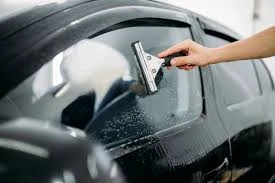

Marine window tinting has become a game-changer for boat owners who seek to improve comfort, protect interiors, and enhance the overall aesthetics of their vessels. Designed specifically to withstand the unique challenges of a marine environment, window tinting provides a practical solution for managing heat, glare, and UV exposure while out on the water.
What Is Marine Window Tinting?
Marine window tinting involves the application of a specialized film to the windows of boats, yachts, or other watercraft. These films are engineered to endure exposure to harsh sunlight, saltwater, and constant moisture, making them ideal for enhancing both functionality and durability.
Why Marine Window Tinting Is Essential
1. UV Protection
Marine environments expose boat interiors and passengers to intense sunlight.
- Benefit: Window tints block up to 99% of harmful UV rays, protecting occupants and preventing upholstery, wood, and other materials from fading or cracking.
2. Heat Reduction
Prolonged exposure to direct sunlight can make cabin temperatures unbearable.
- Benefit: High-quality films reduce solar heat, ensuring a cooler and more comfortable onboard environment.
3. Glare Reduction
Glare from sunlight or reflections on the water can impair visibility, creating safety hazards.
- Benefit: Tinted windows minimize glare, improving navigation and reducing eye strain for captains and passengers.
4. Privacy and Security
Tinting enhances privacy for those onboard by reducing visibility from the outside.
- Benefit: Deters potential thieves and ensures discretion while docked or at sea.
5. Improved Aesthetics
Window tints add a sleek, modern look to your boat.
- Benefit: Elevates the visual appeal of your vessel, giving it a polished and professional appearance.
Types of Marine Window Tint Films
1. UV-Blocking Films
These films are designed specifically to protect against harmful ultraviolet rays.
- Best For: Boats frequently exposed to intense sunlight.
2. Heat-Reduction Films
Films that focus on reducing heat while maintaining clear visibility.
- Best For: Boats in tropical or sunny regions.
3. Privacy Films
Darkened films that limit external visibility without compromising the interior view.
- Best For: Luxury yachts or vessels docked in busy marinas.
4. Anti-Glare Films
Specialized films that reduce glare and improve visibility.
- Best For: Fishing boats and vessels navigating reflective waters.
5. Saltwater-Resistant Films
Films with enhanced durability to resist saltwater and corrosion.
- Best For: Boats frequently used in oceanic environments.
Benefits for Different Watercraft
Yachts
- Enhanced luxury with UV protection and privacy.
- Heat reduction for a more comfortable onboard experience.
Fishing Boats
- Glare reduction for improved focus during long fishing trips.
- Saltwater-resistant films for increased durability.
Sailboats
- Lightweight films that complement the minimalistic design.
- UV-blocking features to preserve delicate sails and interiors.
The Marine Window Tinting Process
1. Consultation
Professionals assess your needs and recommend suitable film options based on your boat type and usage.
2. Surface Preparation
Windows are meticulously cleaned to remove any residue, ensuring proper adhesion.
3. Film Application
The tint is custom-cut to fit each window, applied carefully to avoid bubbles or wrinkles.
4. Final Inspection
The installation is inspected to ensure a seamless finish and optimal performance.
How to Maintain Marine Window Tinting
- Avoid Harsh Cleaners: Use ammonia-free products to clean tinted windows.
- Gentle Washing: Wipe with a soft, non-abrasive cloth to avoid scratches.
- Regular Inspections: Check for signs of peeling, bubbling, or discoloration, especially after prolonged sun exposure or contact with saltwater.
- Professional Care: Schedule regular maintenance with a professional installer to prolong the film’s lifespan.
Common Myths about Marine Window Tinting
Myth 1: Tinting Reduces Visibility
Modern marine tints are engineered to enhance visibility from inside while providing privacy from outside.
Myth 2: Window Tinting Doesn't Last in Marine Environments
Marine-specific films are highly durable and resistant to fading, saltwater, and corrosion.
Myth 3: Tinting Is Purely Aesthetic
While it adds style, the primary benefits include UV protection, heat reduction, and improved safety.
Why Choose Professional Marine Window Tinting Services?
Professional installers offer expertise, precision, and high-quality materials tailored for marine environments. DIY kits may not provide the same level of durability and performance, making professional installation a wise investment.
Conclusion
Marine window tinting is more than just a cosmetic upgrade it’s a practical solution for enhancing comfort, safety, and energy efficiency aboard your vessel. Whether you own a yacht, sailboat, or fishing boat, investing in professional tinting services ensures long-term benefits and a better overall experience on the water.




























Sign in to leave a comment.