
Music is all about timing, and timing makes all the difference. Whether you are a beginner learning an instrument, a singer trying to stay on beat, or a professional musician, keeping the right tempo is key. Many musicians struggle with timing because it is easy to rush or slow down without realizing it. This is where a Tempo Trainer becomes essential. A tempo trainer helps you develop a steady rhythm, improves your practice, and makes your performances more accurate and confident. In this article, we will explore everything about tempo trainers, their benefits, and how to use them effectively.
Understand What a Tempo Trainer Does
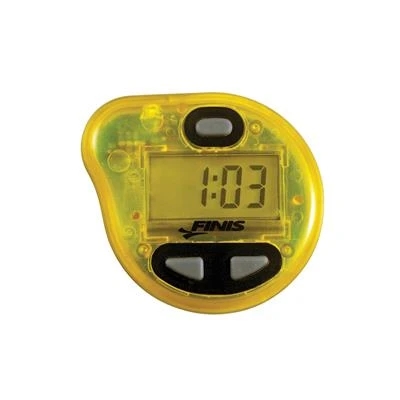
A Tempo Trainer is a device or software designed to help musicians maintain a consistent rhythm. Unlike a simple metronome, which only gives a steady beat, some tempo trainers provide advanced features like adjustable subdivisions, rhythm patterns, and practice exercises. By using a tempo trainer, musicians can train their internal clock and develop a better sense of timing.
The most important aspect of a tempo trainer is consistency. Many beginners often play too fast or too slow because they rely only on their memory or natural feeling. This can cause problems during practice and performances. A tempo trainer keeps you honest with your timing. Over time, it trains your brain to maintain the correct tempo even without the device.
Tempo trainers also help with complex rhythms. For example, if you are learning a song with a tricky rhythm, slowing down the tempo and practicing with a tempo trainer makes it easier to master each note. Once comfortable, you can gradually increase the speed. In short, a tempo trainer is a tool that turns practice sessions into effective timing exercises.
Choose the Right Tempo Trainer Device
Selecting the right Tempo Trainer is important for maximizing your practice. There are many types of tempo trainers available in the market. Some are simple digital metronomes, while others are advanced apps or programmable devices. For beginners, a basic device with adjustable tempo and a clear click sound is enough. For advanced musicians, features like multiple rhythms, polyrhythms, and visual feedback can be very useful.
The first step is deciding whether you want a physical device or a mobile app. Physical devices often have better sound quality and tactile feedback, which is useful for drummers and guitarists. Mobile apps are convenient and come with additional features like tempo tracking, progress reports, and training games.
Another factor is the volume and sound of the tempo trainer. You should be able to hear it clearly while playing, even if your instrument is loud. Many tempo trainers also allow visual cues like blinking lights, which can be helpful for musicians practicing in noisy environments. The more control you have over tempo, rhythm, and sound, the more effective your practice will be.
Learn Basic Tempo Trainer Techniques
Using a Tempo Trainer effectively requires learning some basic techniques. The most important skill is starting slow. When you begin practicing a new piece, set the tempo slower than the original speed. Focus on accuracy rather than speed. Once you can play perfectly at a slower tempo, gradually increase the speed until you reach the desired tempo.
Another technique is subdividing the beat. Many tempo trainers allow you to set smaller divisions of a beat, like eighth notes or sixteenth notes. This helps in mastering complex rhythms and syncopation. Practicing subdivisions trains your brain to understand rhythm at a micro-level.
Also, use different sound types if your tempo trainer allows it. Some trainers have high-pitched clicks for strong beats and low-pitched clicks for weak beats. This helps you feel the pulse and understand where accents should be. Practicing with these techniques makes your timing more natural and less mechanical. Remember, the key is consistency and gradual improvement.
Improve Musical Timing Consistently
One of the main benefits of a Tempo Trainer is consistent improvement in musical timing. Many musicians struggle with rhythm because they practice inconsistently. A tempo trainer forces you to maintain steady timing for the entire practice session. Over time, your internal sense of rhythm improves.
Consistent practice with a tempo trainer also prevents bad habits. When you rely on memory alone, it is easy to speed up or slow down without noticing. Tempo trainers give immediate feedback. If you miss a beat or play off tempo, you can correct it instantly.
Another tip is to use the tempo trainer in different scenarios. Practice with your instrument, practice singing, or practice ensemble music. Each situation challenges your timing in a different way. By practicing consistently, your rhythm becomes reliable, and your performances become confident.
Combine Tempo Trainer with Real Music Practice
A Tempo Trainer is not just for isolated exercises. You can combine it with real music practice to get the best results. Start by playing simple scales or exercises with the tempo trainer, then move on to actual songs. Set the tempo to a comfortable speed and gradually increase it as you improve.
For ensemble practice, a tempo trainer can help the entire group stay together. Drummers and pianists can set the beat and others can follow, ensuring everyone plays in perfect timing. Solo musicians can also benefit by recording themselves while practicing with the tempo trainer to detect timing mistakes.
Additionally, combining tempo trainer practice with real songs improves sight-reading skills. By maintaining a steady tempo while reading music, you become more confident and accurate in performance. This makes the transition from practice to live performance much smoother.
Track Progress with Tempo Trainer Exercises
Tracking your progress is crucial when using a Tempo Trainer. Many advanced trainers or apps allow you to record your sessions and check for timing consistency. Monitoring progress helps identify weak points and plan improvement strategies.
Set specific goals, like maintaining a steady tempo for a song without mistakes or mastering complex subdivisions. Record each practice session and compare it over time. This provides motivation and a clear understanding of your growth.
Another tip is to vary your exercises. Use slow practice, fast practice, and irregular rhythm exercises to challenge your timing skills. Tempo trainers can be programmed for these variations. Regular evaluation ensures that your timing skills are continuously improving, and you never plateau in your musical journey.
Conclusion
A Tempo Trainer is a powerful tool for every musician. It improves timing, strengthens rhythm, and boosts overall musical performance. By choosing the right device, learning basic techniques, practicing consistently, and tracking progress, musicians of all levels can achieve precise timing. Whether you are a beginner or a professional, a tempo trainer turns your practice into effective, productive sessions, making your performances more confident and enjoyable.
Questions and Answers
Q1: What is a tempo trainer used for?
A tempo trainer is used to help musicians maintain a steady rhythm, improve timing, and develop internal sense of tempo.
Q2: Can beginners use a tempo trainer?
Yes, beginners can use tempo trainers. They are especially helpful for learning accurate timing and building rhythmic skills.







Sign in to leave a comment.